2026 Gaming Market: Demographics & Spending Habits Deep Dive
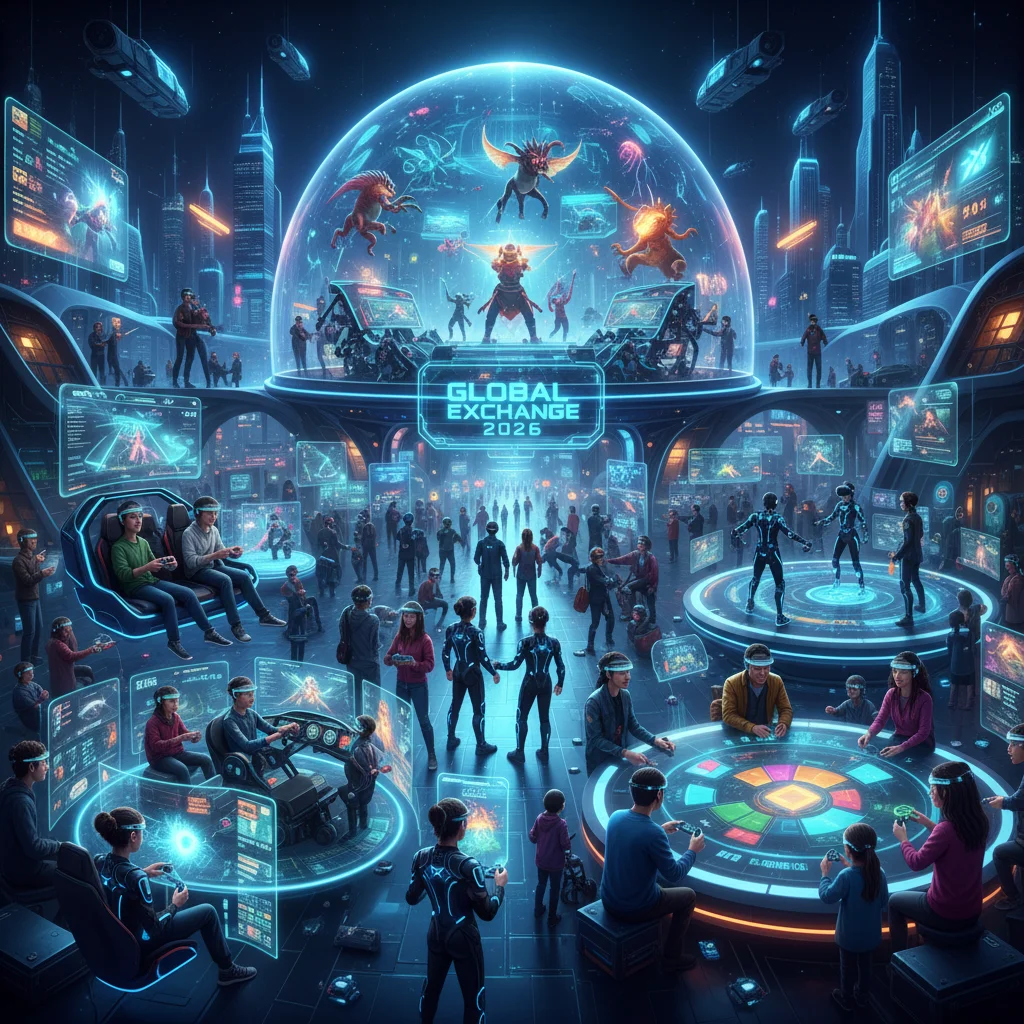
The gaming industry is a dynamic and ever-evolving behemoth, consistently pushing the boundaries of technology, creativity, and community engagement. As we look towards 2026, the landscape of interactive entertainment is poised for significant shifts, driven by technological advancements, changing player preferences, and innovative business models. Understanding the nuances of the 2026 Gaming Market is crucial for developers, publishers, investors, and even casual players who wish to grasp the future direction of their beloved hobby. This comprehensive analysis will delve into the projected demographics of players, their evolving spending habits, and the overarching trends that will define the gaming world in the coming years.
The global video game market has shown remarkable resilience and growth, even during periods of economic uncertainty. This robust performance is largely attributable to its broad appeal and its ability to adapt to new technologies and consumption patterns. By 2026, we anticipate a market that is not only larger but also considerably more diverse in its player base and revenue streams. The traditional boundaries between gaming, social media, and other forms of entertainment will continue to blur, creating a rich ecosystem of interactive experiences.
Our deep dive into the 2026 Gaming Market aims to provide a clear picture of what to expect. We will explore how demographics are shifting, with particular attention to age, gender, and geographical distribution. Furthermore, we will dissect the intricate patterns of player spending, examining the rise of subscription services, in-game purchases, and the impact of emerging economies. Finally, we will touch upon the technological innovations and cultural phenomena that are set to shape the industry’s trajectory.
The Evolving Global Player Demographics in the 2026 Gaming Market
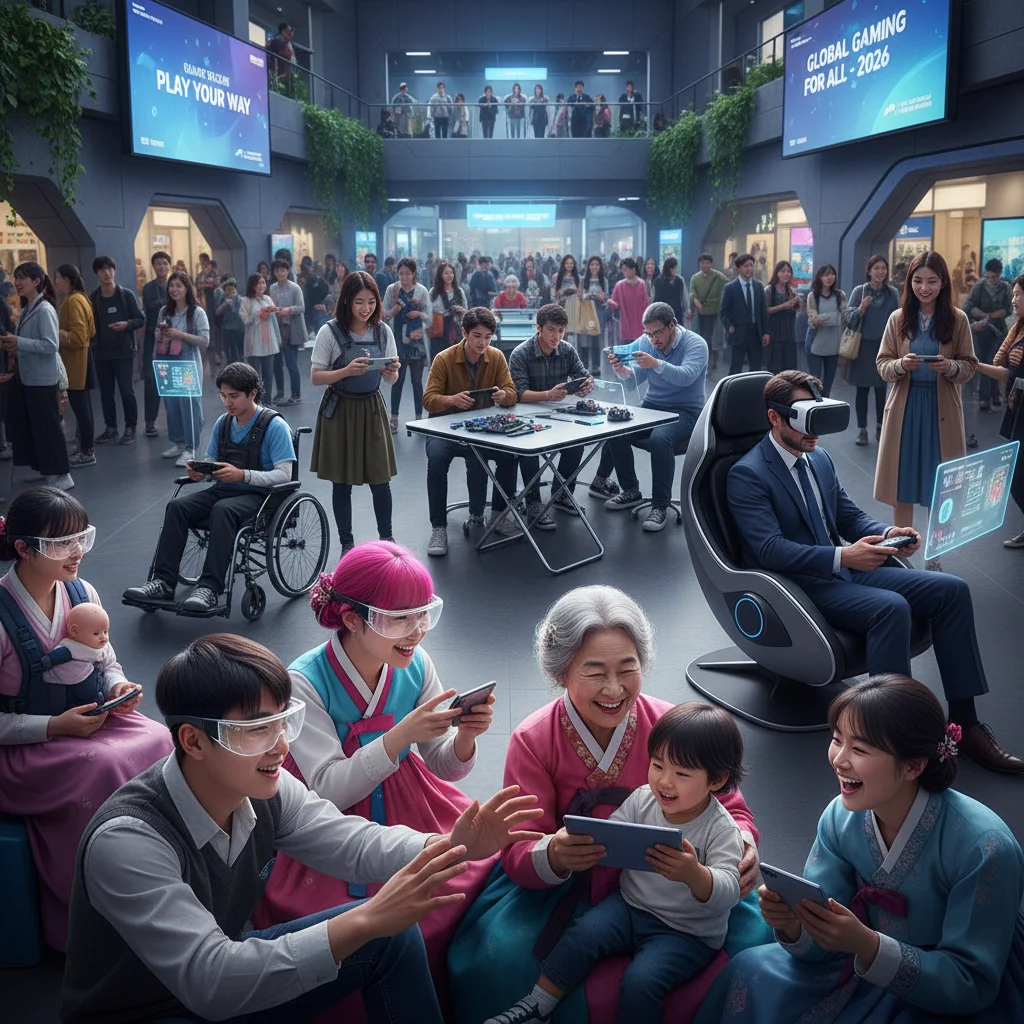
The player base for video games has expanded dramatically over the past decade, moving far beyond the stereotypical image of a young male console gamer. By 2026, this diversification will be even more pronounced, with a broader representation across age groups, genders, and socioeconomic backgrounds. This demographic shift is not merely an interesting statistic; it has profound implications for game design, marketing strategies, and the overall direction of the 2026 Gaming Market.
Age and Generational Shifts
While younger generations (Gen Z and Alpha) continue to be significant drivers of the gaming market, older demographics are increasingly engaging with interactive entertainment. The casual gaming boom, particularly on mobile platforms, has introduced millions of adults, including Gen X and Baby Boomers, to gaming. By 2026, we expect to see more games specifically designed to appeal to these older audiences, focusing on accessibility, cognitive engagement, and social interaction rather than just fast-paced action. This expansion means a more varied demand for game types, from puzzle games and simulations to narrative-driven experiences that resonate with mature themes.
Gen Z, having grown up with ubiquitous internet access and smartphones, views gaming as a fundamental part of their social and entertainment lives. Their engagement often extends beyond playing games to watching streams, participating in esports, and creating content. This generation will be entering their prime earning years by 2026, making them a powerful consumer force within the 2026 Gaming Market.
Gender Diversity in Gaming
The gender gap in gaming has been steadily closing, and by 2026, it is projected to be nearly equal in many regions, especially for mobile and casual gaming. While certain genres like competitive shooters might still show a male predominance, story-driven RPGs, simulation games, and puzzle games often attract a significant female audience. This parity necessitates a more inclusive approach to game development, character design, and storytelling. Developers who ignore this growing female demographic risk alienating a substantial portion of the 2026 Gaming Market.
Geographical Expansion and Emerging Markets
The growth of the 2026 Gaming Market will be heavily influenced by emerging economies, particularly in Southeast Asia, Latin America, and Africa. Increasing smartphone penetration, affordable internet access, and a burgeoning middle class in these regions are fueling an explosion in new players. Mobile gaming, due to its low barrier to entry and widespread device availability, will be the primary driver of this growth. Companies that can effectively localize their content, understand regional cultural nuances, and implement appropriate monetization strategies will gain a significant competitive edge.
China continues to be a dominant force, though regulatory pressures can introduce volatility. India, with its massive population and rapidly expanding digital infrastructure, is set to become one of the largest gaming markets by player count. Understanding these regional dynamics is paramount for anyone looking to capitalize on the opportunities presented by the 2026 Gaming Market.
Evolving Spending Habits and Monetization Models in the 2026 Gaming Market
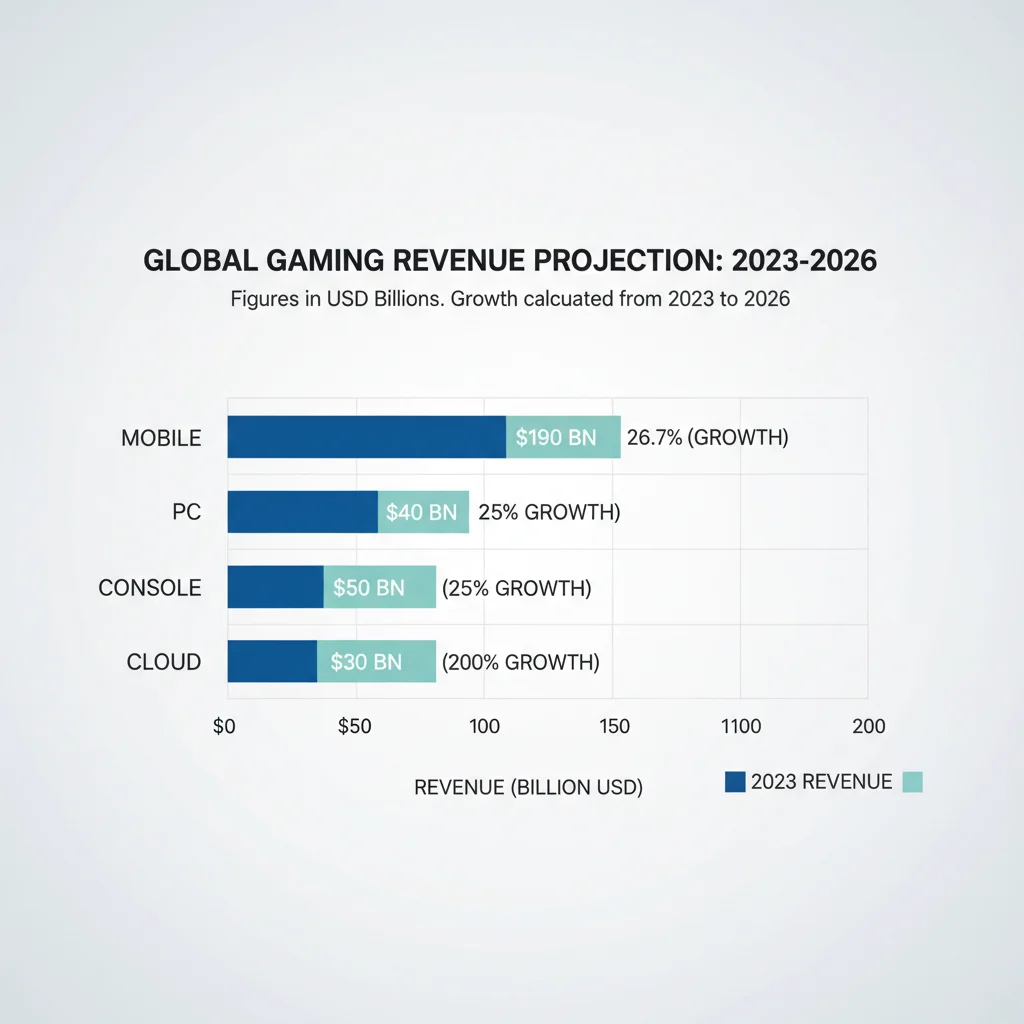
Player spending habits are as varied and complex as the players themselves. While traditional upfront game purchases remain a significant revenue stream, the 2026 Gaming Market will see an increased reliance on alternative monetization models, driven by digital distribution and the service-oriented nature of modern gaming. Understanding these shifts is key to predicting future revenue generation.
The Rise of Subscription Services
Game subscription services, such as Xbox Game Pass, PlayStation Plus, and Apple Arcade, have fundamentally altered how many players access games. By offering a vast library of titles for a recurring fee, these services provide immense value and convenience. By 2026, we anticipate these services to be even more entrenched, with a greater variety of offerings and potentially more exclusive content. This model encourages players to try a wider range of games, potentially increasing engagement and even leading to additional in-game purchases for titles they particularly enjoy.
The challenge for developers and publishers will be to find the right balance between offering games on these platforms and selling them individually. The subscription model also necessitates a focus on long-term player retention and continuous content updates to keep subscribers engaged.
In-Game Purchases and Microtransactions
Microtransactions, including cosmetic items, battle passes, and loot boxes (though increasingly regulated), will continue to be a cornerstone of revenue in the 2026 Gaming Market. Free-to-play (F2P) games, especially on mobile, have perfected the art of monetization through these methods. The focus will increasingly shift towards value-driven purchases, where players feel they are getting something tangible and desirable for their money, rather than exploitative mechanisms.
The ethical implications and regulatory scrutiny surrounding loot boxes and pay-to-win mechanics will likely intensify, forcing developers to adopt more transparent and player-friendly approaches. Personalization and customization options will remain highly popular, allowing players to express themselves within their favorite game worlds. The integration of non-fungible tokens (NFTs) and blockchain technology, though still nascent and controversial, could also play a role in in-game economies, offering true digital ownership of assets, which might appeal to a segment of the 2026 Gaming Market.
Premium Games and Digital Distribution
Despite the growth of F2P and subscription models, premium, full-priced games will still hold a significant place in the 2026 Gaming Market. High-fidelity, narrative-rich experiences on PC and consoles continue to command strong sales. Digital distribution platforms like Steam, Epic Games Store, PlayStation Store, and Xbox Store will remain the primary channels for purchasing and accessing these titles, reducing manufacturing and distribution costs and allowing for more frequent sales and promotions.
The emphasis for premium titles will be on quality, innovation, and strong post-launch support to justify their price point. Games that offer extensive replayability, robust multiplayer, or compelling single-player narratives will continue to thrive. The rise of independent game development, facilitated by digital storefronts, also means a constant influx of creative and unique experiences for players.
Key Trends Shaping the 2026 Gaming Market
Beyond demographics and spending, several overarching trends are set to redefine the 2026 Gaming Market. These trends encompass technological innovations, cultural shifts, and new ways of interacting with games.
Cloud Gaming and Accessibility
Cloud gaming, which allows players to stream games without powerful local hardware, is poised for significant growth by 2026. Services like Xbox Cloud Gaming, GeForce Now, and Amazon Luna are continuously improving their infrastructure and game libraries. This technology democratizes access to high-end gaming, making it available on a wider range of devices, from smart TVs to low-spec laptops and mobile phones. The widespread adoption of 5G networks will further enhance the viability and quality of cloud gaming experiences, reducing latency and improving streaming fidelity.
The implications for the 2026 Gaming Market are enormous: a reduced need for expensive hardware lowers the barrier to entry, potentially bringing millions of new players into the fold. It also allows for more flexible play patterns, letting players seamlessly switch between devices.
Esports and Competitive Gaming
Esports has evolved from a niche hobby into a global phenomenon, with massive prize pools, professional leagues, and dedicated fan bases. By 2026, esports will be even more integrated into mainstream entertainment, attracting larger audiences and greater corporate sponsorships. The professionalization of esports will continue, with more structured academies, player welfare programs, and broadcast deals. Games designed with competitive play in mind will continue to see strong engagement and monetization potential.
The growth of grassroots esports, community tournaments, and amateur leagues will also be significant, feeding the professional scene and fostering a vibrant competitive ecosystem within the 2026 Gaming Market.
Metaverse and Virtual Worlds
The concept of the metaverse, a persistent, interconnected virtual world, is still in its early stages, but gaming platforms are at the forefront of its development. Games like Roblox, Minecraft, and Fortnite already offer glimpses into metaverse-like experiences, where players can socialize, create, and engage in diverse activities beyond traditional gameplay. By 2026, we might see more sophisticated and interoperable metaverse platforms emerging, offering new avenues for social interaction, commerce, and entertainment.
The integration of virtual reality (VR) and augmented reality (AR) technologies will be crucial for the full realization of the metaverse. While mainstream VR adoption still faces hurdles, advancements in hardware and a growing library of compelling experiences will drive its gradual expansion, particularly within the immersive segments of the 2026 Gaming Market.
User-Generated Content (UGC) and Creator Economy
User-generated content (UGC) has become an indispensable part of many successful games, from custom maps and mods to in-game creations. Platforms that empower players to create and share their own content foster immense engagement and extend the lifespan of games. By 2026, the creator economy within gaming will be even more robust, with developers providing more sophisticated tools and monetization opportunities for content creators.
This trend blurs the lines between players and creators, turning consumers into active participants in the game’s ecosystem. The success of games like Roblox and Fortnite’s Creative mode demonstrates the power of UGC in driving virality and sustained interest in the 2026 Gaming Market.
Artificial Intelligence (AI) in Game Development and Gameplay
Artificial intelligence will continue to play an increasingly vital role in the 2026 Gaming Market. Beyond traditional AI for non-player characters (NPCs), generative AI is beginning to revolutionize game development, assisting with asset creation, level design, and even narrative generation. This could lead to more dynamic, personalized, and endlessly replayable gaming experiences.
In gameplay, AI can be used to create more adaptive difficulty systems, personalized tutorials, and intelligent companions. The ethical considerations around AI-generated content and its impact on human creativity will also be a significant discussion point within the industry.
Challenges and Opportunities in the 2026 Gaming Market
While the future of the 2026 Gaming Market looks incredibly promising, it is not without its challenges. Intense competition, rising development costs, and the need for constant innovation will put pressure on developers and publishers. Regulatory scrutiny around monetization practices, data privacy, and player protection is also likely to increase.
However, these challenges are often accompanied by significant opportunities. The expanding player base, diverse monetization avenues, and technological advancements create fertile ground for new ideas and business models. Companies that can effectively navigate the complexities of global markets, embrace inclusivity, and leverage cutting-edge technology will be best positioned for success.
Sustainability and Ethical Considerations
As the gaming industry grows, so does its environmental footprint and social impact. The 2026 Gaming Market will likely see increased focus on sustainability, from energy-efficient hardware and cloud infrastructure to ethical labor practices in game development. Consumer demand for socially responsible companies will influence purchasing decisions, pushing the industry towards more sustainable operations.
Furthermore, discussions around mental health, screen time, and gaming addiction will continue, prompting the industry to develop and implement responsible gaming practices. Promoting positive player communities and combating toxicity will also be crucial for the long-term health of the 2026 Gaming Market.
The Blurring Lines of Entertainment
By 2026, the distinction between gaming, social media, streaming, and other forms of digital entertainment will be even more blurred. Games will increasingly serve as social hubs, concert venues, and creative platforms. This convergence offers immense potential for cross-promotion and integrated experiences, but also requires a more holistic understanding of consumer behavior across the entire digital landscape. Brands and content creators will increasingly view games as prime platforms for engagement, moving beyond traditional advertising to interactive experiences within virtual worlds.
Conclusion: A Vibrant Future for the 2026 Gaming Market
The 2026 Gaming Market is poised to be a vibrant, diverse, and technologically advanced ecosystem. From an ever-expanding and more inclusive player demographic to innovative monetization strategies and groundbreaking technological integrations, the industry is in a constant state of flux and growth. Mobile gaming will continue to lead in terms of sheer player numbers, while PC and console gaming will push the boundaries of graphical fidelity and immersive experiences. Cloud gaming will democratize access, and the metaverse will offer new frontiers for social interaction and creativity.
For businesses, understanding these trends is not just about staying competitive; it’s about identifying new growth opportunities and adapting to a rapidly changing consumer base. For players, it means an even richer, more diverse, and accessible world of interactive entertainment. The future of gaming is bright, and the insights into the 2026 Gaming Market presented here underscore the incredible potential and exciting developments awaiting us.
The journey towards 2026 will undoubtedly bring unforeseen innovations and challenges, but the foundational trends discussed – demographic shifts, evolving spending habits, and technological convergence – will serve as the bedrock of this dynamic industry. Those who are prepared to embrace these changes will be the ones who truly shape the future of interactive entertainment.
