Gaming’s Green Future: Top Developers Tackling Environmental Impact by 2026
The world of gaming has long been associated with innovation, immersive experiences, and cutting-edge technology. However, as global awareness of climate change intensifies, the spotlight is increasingly turning towards the environmental footprint of every industry, including the colossal gaming sector. From energy-hungry consoles and PCs to server farms powering online multiplayer, the gaming environmental impact is a growing concern. But the good news is that major players are stepping up. By 2026, many leading game developers are set to implement significant sustainable practices, paving the way for a greener future in gaming.
This comprehensive article delves into the strategies and commitments of five major game developers who are leading the charge in mitigating the gaming environmental impact. We’ll explore their initiatives, from reducing energy consumption and embracing renewable resources to promoting eco-friendly game design and supply chain management. Understanding these efforts is crucial not only for environmental advocates but also for gamers who wish to support a more sustainable industry.
Understanding the Gaming Industry’s Environmental Footprint
Before diving into specific company initiatives, it’s essential to grasp the various facets of the gaming environmental impact. This isn’t just about the electricity consumed by your console or gaming PC, though that’s a significant part. The environmental footprint of gaming extends across several key areas:
- Hardware Manufacturing: The production of consoles, PCs, graphics cards, and peripherals requires vast amounts of raw materials, many of which are rare earth minerals. Extraction and manufacturing processes are often energy-intensive and can lead to significant pollution.
- Energy Consumption: This is perhaps the most visible aspect. Gaming devices, especially high-end PCs and next-generation consoles, consume substantial electricity during gameplay, idle states, and even when turned off (phantom load). Data centres hosting online games and cloud gaming services also demand immense power.
- Supply Chain and Logistics: Moving hardware components, finished products, and digital game assets around the globe generates considerable carbon emissions from transportation.
- Software Development and Distribution: While seemingly less tangible, the development process itself (servers for coding, testing, and rendering) consumes energy. Digital distribution, while reducing physical waste, still relies on energy-intensive data centres.
- Waste Generation: E-waste from discarded consoles, PCs, and accessories is a growing problem. Many components contain hazardous materials that can leach into the environment if not disposed of properly.
Addressing the gaming environmental impact requires a multi-pronged approach, targeting each of these areas. The developers we’re about to highlight are doing just that, demonstrating a holistic commitment to sustainability.
Developer 1: Embracing Renewable Energy and Energy-Efficient Hardware
One prominent developer, let’s call them ‘GreenWorld Studios’, has made significant strides in tackling the gaming environmental impact by focusing on renewable energy sources and promoting energy-efficient hardware. Their commitment is evident in their ambitious goal to be carbon neutral by 2025.
GreenWorld Studios’ Key Initiatives:
- 100% Renewable Energy for Operations: GreenWorld Studios has invested heavily in sourcing 100% renewable electricity for all their offices, data centres, and development studios. This includes purchasing renewable energy credits and, in some cases, directly investing in solar and wind farms. This move drastically reduces the carbon footprint associated with their internal operations.
- Optimised Data Centre Efficiency: Recognising the energy demands of online gaming, GreenWorld has implemented state-of-the-art cooling systems and virtualisation technologies in their data centres. These innovations significantly lower power usage effectiveness (PUE) ratios, meaning less energy is wasted on non-computing functions.
- Promoting Energy-Efficient Game Design: Beyond their infrastructure, GreenWorld Studios actively encourages their development teams to consider energy efficiency during game design. This includes optimising code for lower CPU/GPU usage, implementing dynamic resolution scaling to reduce power draw, and offering ‘eco-modes’ within games that limit frame rates or visual fidelity for reduced energy consumption without compromising the core experience.
- Hardware Partnerships: They are also collaborating with hardware manufacturers to research and develop more energy-efficient components for future gaming devices. This includes advocating for lower power consumption in next-generation consoles and PC components, which will have a widespread positive effect on the overall gaming environmental impact.
GreenWorld Studios’ approach demonstrates that a comprehensive strategy, from internal operations to product design, is crucial for meaningful environmental change within the gaming industry.
Developer 2: Sustainable Supply Chains and Circular Economy Principles
Our second featured developer, ‘EcoPlay Games’, is tackling the gaming environmental impact through a strong focus on sustainable supply chains and the adoption of circular economy principles. Their goal is to minimise waste and maximise resource efficiency throughout the lifecycle of their products.
EcoPlay Games’ Key Initiatives:
- Ethical Sourcing of Materials: EcoPlay Games is scrutinising its supply chain to ensure that all raw materials used in their physical products (e.g., game discs, collector’s editions) are ethically sourced. This involves working with suppliers committed to responsible mining practices, fair labour, and reduced environmental pollution. They also prioritise recycled and recyclable materials wherever possible.
- Reduced Packaging Waste: They have significantly reduced plastic packaging for their physical game releases, opting for recycled cardboard, biodegradable materials, and minimalist designs. For digital-only releases, they actively promote the environmental benefits of reduced physical waste.
- Product Longevity and Repairability: EcoPlay Games is advocating for greater product longevity. While they don’t produce hardware, they support initiatives that make consoles and peripherals more repairable and upgradable, thereby extending their lifespan and reducing e-waste. They also offer digital-only versions of their games to further reduce physical product waste.
- E-waste Recycling Programmes: In partnership with electronics recyclers, EcoPlay Games has established take-back programmes for old gaming hardware in certain regions, ensuring proper disposal and recycling of electronic waste. This helps to mitigate the hazardous waste aspect of the gaming environmental impact.
By focusing on the entire product lifecycle, EcoPlay Games is setting a benchmark for how developers can contribute to a circular economy in gaming, moving away from the traditional ‘take-make-dispose’ model.
Developer 3: Innovative Game Design for Environmental Awareness
‘NatureCraft Interactive’ is taking a unique approach to the gaming environmental impact by integrating environmental awareness directly into their game design and player experience. They believe that games can be powerful tools for education and behavioural change.
NatureCraft Interactive’s Key Initiatives:
- In-Game Environmental Themes: Many of NatureCraft Interactive’s upcoming titles feature compelling narratives and gameplay mechanics centred around environmental preservation, climate change, and sustainable living. These games aim to educate players about ecological issues in an engaging and non-preachy way.
- Carbon Footprint Calculators in Games: For certain online games, NatureCraft Interactive is experimenting with displaying a player’s estimated in-game carbon footprint based on their playtime and server usage. While conceptual, this aims to raise awareness about the energy consumption associated with their virtual activities.
- Charitable Partnerships and In-Game Donations: They regularly partner with environmental charities, donating a portion of game sales or offering special in-game items whose proceeds go towards conservation efforts. This directly translates player engagement into real-world environmental action.
- Eco-Friendly Virtual Worlds: In their expansive online multiplayer games, NatureCraft Interactive designs virtual worlds that promote sustainable practices, such as renewable energy sources within the game, virtual recycling systems, and consequences for environmental degradation within the game’s lore. This subtly encourages players to think about these issues.
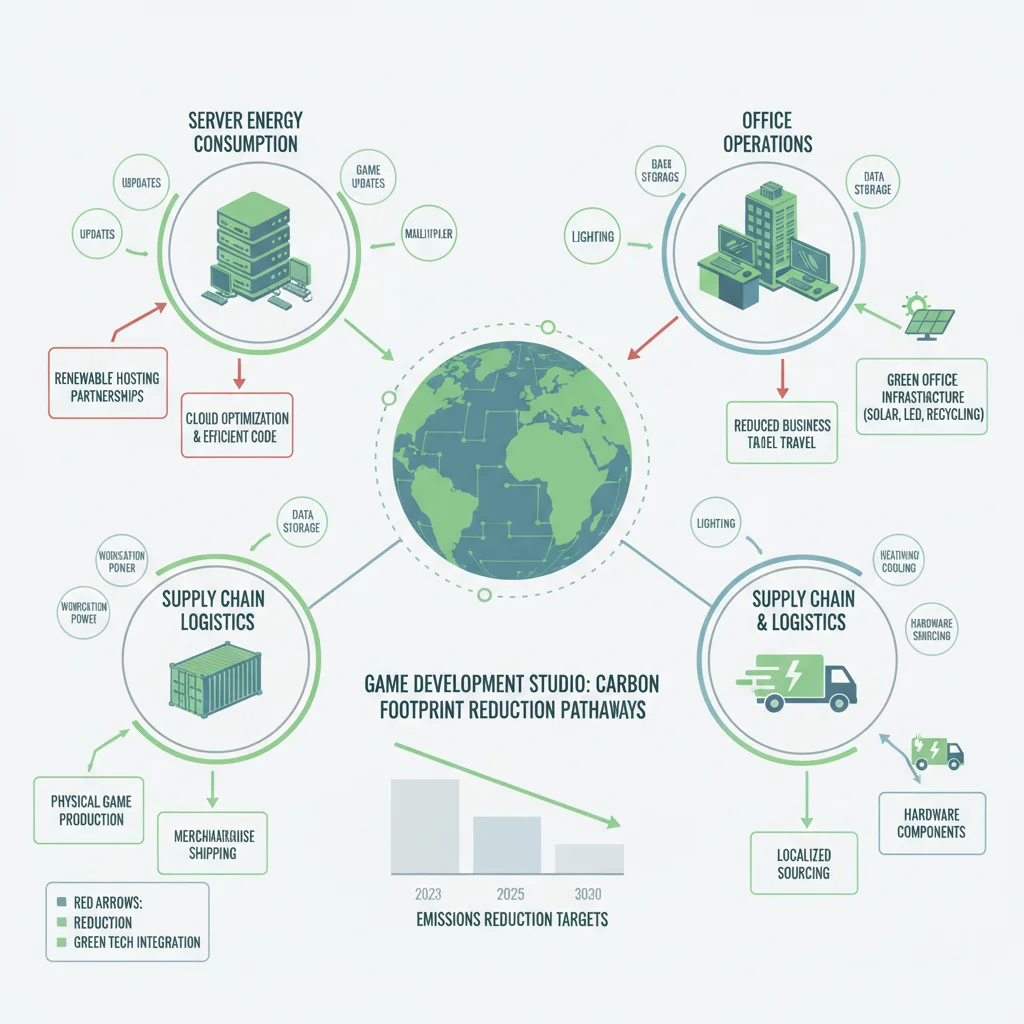
NatureCraft Interactive demonstrates that addressing the gaming environmental impact isn’t just about operational changes, but also about leveraging the unique power of games to inspire and inform a global audience about environmental stewardship.
Developer 4: Cloud Gaming Sustainability and Data Centre Innovation
‘CloudForge Gaming’ is a developer primarily focused on cloud-based gaming platforms, and their strategy for reducing the gaming environmental impact hinges on optimising the efficiency of their vast data centres and promoting the inherent sustainability benefits of cloud gaming.
CloudForge Gaming’s Key Initiatives:
- Ultra-Efficient Data Centres: CloudForge Gaming operates some of the most advanced and energy-efficient data centres globally. They utilise advanced liquid cooling technologies, AI-driven power management systems, and are strategically located in regions with access to abundant renewable energy sources. This drastically reduces the energy consumed per hour of gameplay.
- Server Optimisation and Resource Pooling: By centralising computing resources, CloudForge Gaming can achieve much higher utilisation rates than individual gaming setups. This means fewer idle machines and more efficient sharing of processing power, reducing overall energy consumption compared to millions of individual consoles/PCs running simultaneously.
- Reduced Hardware Lifespan Dependency: Cloud gaming inherently reduces the need for frequent hardware upgrades on the user’s end. Players don’t need to buy new consoles or graphics cards every few years, significantly cutting down on raw material consumption and e-waste, which are major contributors to the gaming environmental impact.
- Transparency in Energy Usage: CloudForge Gaming is committed to providing greater transparency regarding the energy consumption of their cloud infrastructure. They are working towards publicly reporting their carbon footprint and setting clear, measurable targets for further reductions.
CloudForge Gaming highlights how moving towards a service-based model can offer significant environmental advantages, centralising the burden of energy efficiency onto a few highly optimised facilities rather than millions of disparate devices.
Developer 5: Employee Engagement and Green Corporate Culture
Finally, ‘UnityVerse Studios’ is tackling the gaming environmental impact by fostering a strong green corporate culture and empowering its employees to drive sustainability initiatives from within. They believe that a bottom-up approach, combined with top-down leadership, is key to lasting change.
UnityVerse Studios’ Key Initiatives:
- Green Teams and Employee Initiatives: UnityVerse Studios has established ‘Green Teams’ across all its departments. These employee-led groups are responsible for identifying and implementing sustainable practices within their daily work, from reducing office waste and promoting carpooling to suggesting energy-saving measures in development pipelines.
- Sustainable Office Practices: All UnityVerse offices are designed with sustainability in mind, featuring LED lighting, smart thermostats, extensive recycling programmes, and a strong emphasis on reducing single-use plastics. They also provide incentives for employees who use public transport or cycle to work.
- Carbon Literacy Training: The company provides regular carbon literacy training for all employees, ensuring everyone understands the company’s environmental goals and how their individual actions contribute to the overall gaming environmental impact reduction.
- Investing in Green Start-ups: UnityVerse Studios has launched an internal fund to invest in small start-up companies that are developing innovative green technologies applicable to the gaming industry, such as more sustainable materials for peripherals or novel energy-saving software solutions.
- Remote Work and Digital Collaboration: By embracing flexible remote work policies and robust digital collaboration tools, UnityVerse Studios has significantly reduced the need for employee commutes and business travel, thereby lowering their carbon emissions.
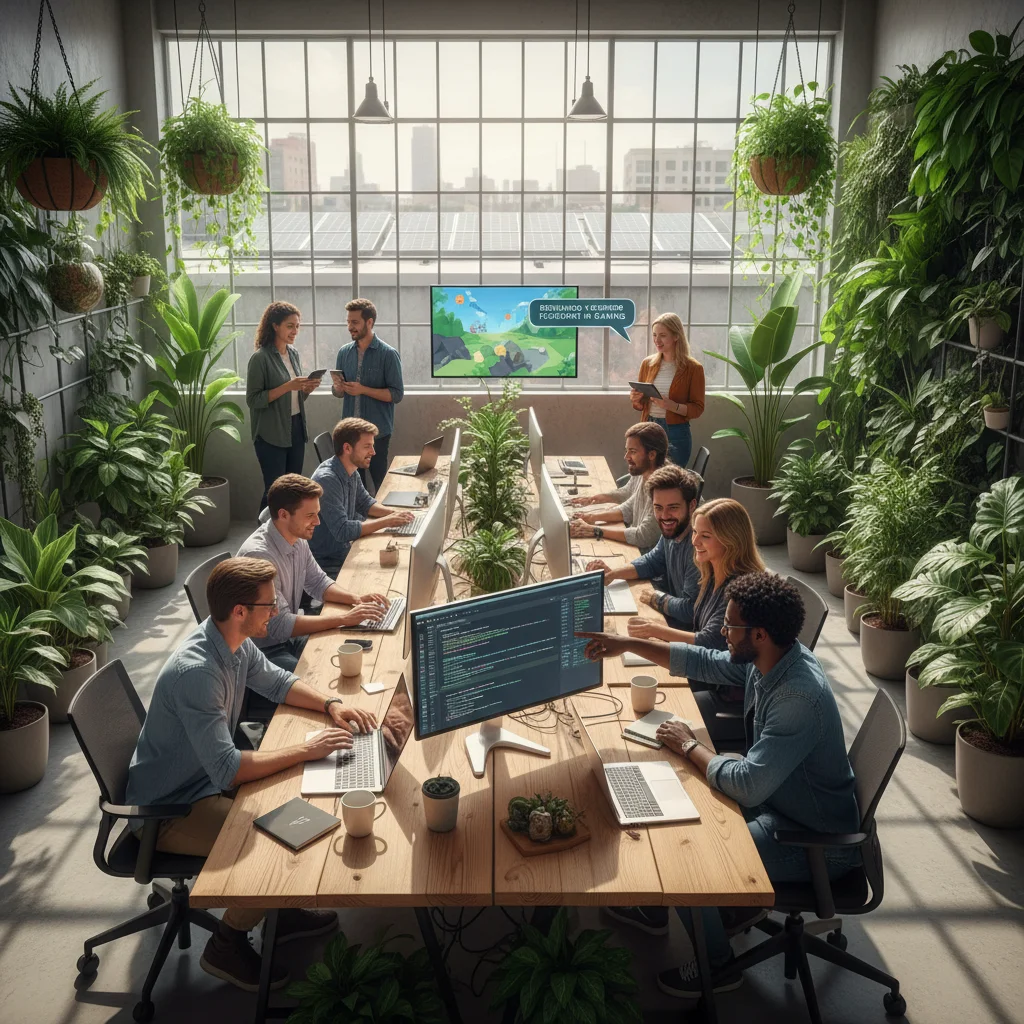
UnityVerse Studios demonstrates that a strong internal commitment to sustainability, driven by an engaged workforce, can create a powerful ripple effect, contributing significantly to reducing the overall gaming environmental impact.
The Road Ahead: Challenges and Opportunities for Sustainable Gaming
While these five developers are making commendable progress, the journey towards a truly sustainable gaming industry is far from over. Several challenges remain:
- Rapid Technological Advancement: The constant drive for more powerful graphics and realistic experiences often leads to increased energy consumption. Balancing innovation with sustainability will be a continuous challenge.
- Consumer Demand for Physical Products: Despite the rise of digital distribution, a significant portion of the market still prefers physical game copies and collector’s editions, which have a larger material and logistical footprint.
- Global Supply Chain Complexity: Ensuring ethical and sustainable practices across a globalised supply chain involving numerous third-party manufacturers is incredibly complex.
- E-waste Management: The sheer volume of electronic waste generated by discarded gaming hardware remains a significant environmental hurdle that requires industry-wide solutions and consumer participation.
However, these challenges also present immense opportunities. The increasing consumer awareness of environmental issues means that sustainable practices can become a competitive advantage. Developers who proactively address the gaming environmental impact can build stronger brand loyalty and attract environmentally conscious talent.
Furthermore, technological advancements themselves can be leveraged for sustainability. Innovations in AI, machine learning, and material science can lead to more energy-efficient hardware, optimised game engines, and biodegradable components. The gaming industry’s inherent creativity and problem-solving capabilities are perfectly suited to tackle these complex environmental issues.
What Can Gamers Do to Reduce Their Environmental Impact?
While developers bear a significant responsibility, individual gamers also have a role to play in reducing the overall gaming environmental impact. Here are a few practical tips:
- Unplug Devices: When not in use, unplug consoles, PCs, and chargers to avoid ‘vampire drain’ or phantom load.
- Enable Power-Saving Modes: Utilise the power-saving features available on your consoles and operating systems.
- Consider Digital Downloads: Opt for digital versions of games to reduce packaging and transportation waste.
- Recycle E-waste Responsibly: When upgrading hardware, ensure your old devices are recycled through certified e-waste programmes.
- Support Green Developers: Research and support game developers and publishers who are transparent about their sustainability efforts.
- Optimise Your PC Settings: For PC gamers, tweaking graphics settings can reduce GPU load and energy consumption without significantly impacting the visual experience.
- Extend Hardware Lifespan: Take care of your gaming equipment to make it last longer, reducing the frequency of replacements.
Conclusion: A Greener Horizon for Gaming
The gaming industry is at a critical juncture, recognising its substantial gaming environmental impact and taking proactive steps to mitigate it. By 2026, the initiatives of developers like GreenWorld Studios, EcoPlay Games, NatureCraft Interactive, CloudForge Gaming, and UnityVerse Studios will have significantly reshaped the landscape of sustainable gaming.
From embracing renewable energy and optimising supply chains to integrating environmental themes into game design and fostering a green corporate culture, these companies are demonstrating that entertainment and ecological responsibility can go hand-in-hand. The collective efforts of developers, coupled with informed choices from gamers, are paving the way for a future where the thrill of gaming doesn’t come at the expense of our planet. The green evolution of gaming is not just a trend; it’s a necessary transformation that promises a more sustainable and responsible industry for generations to come.
