E-sports US Growth: 25% Audience Surge & Commercial Impact by 2026
The Unstoppable Rise of E-sports in the US: Projecting 25% Audience Growth by Late 2026 and Its Commercial Implications
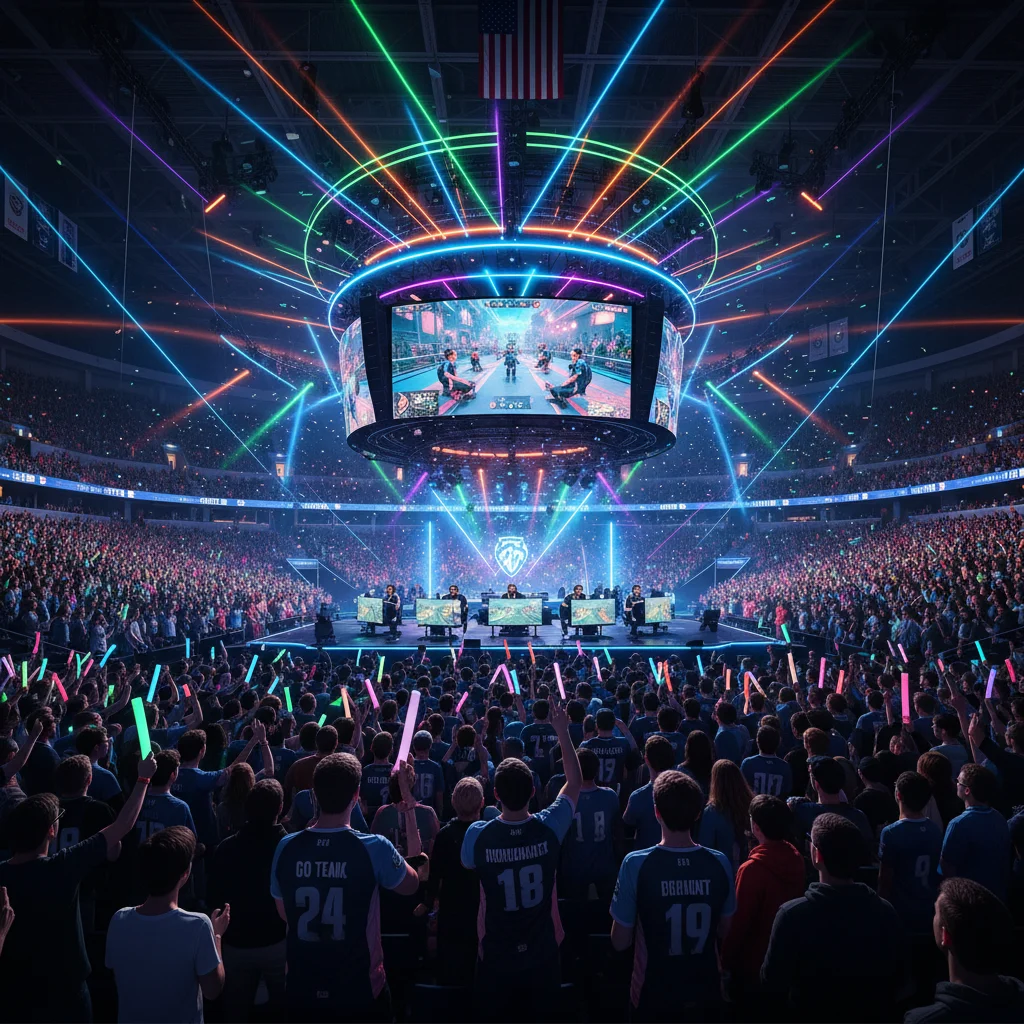
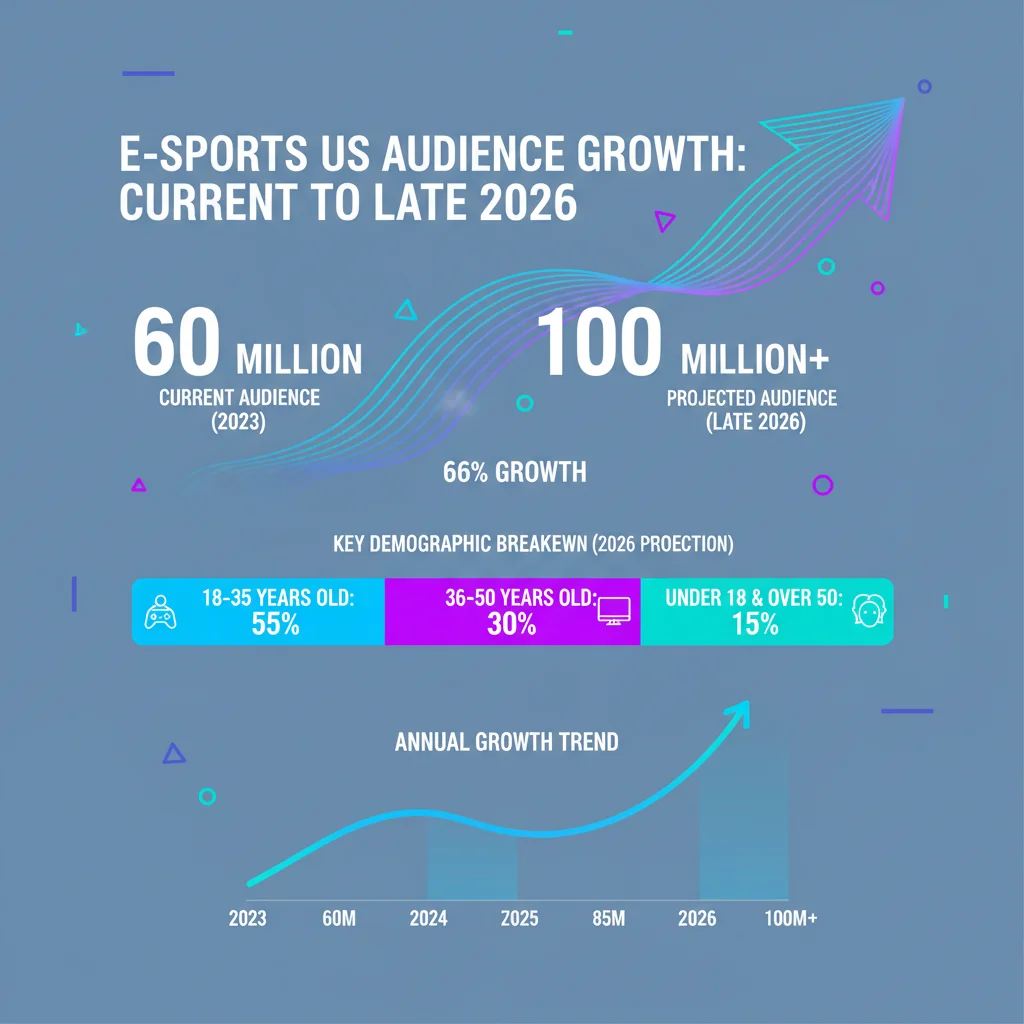
The landscape of entertainment is constantly evolving, and few sectors exemplify this dynamic shift as profoundly as e-sports. What began as a niche interest among dedicated gamers has blossomed into a global phenomenon, captivating millions and challenging traditional sports for viewership and commercial viability. In the United States, this transformation is particularly palpable, with projections indicating an astonishing E-sports US growth of 25% in its audience by late 2026. This isn’t merely a statistical uptick; it represents a seismic shift in consumer behaviour, offering unprecedented commercial implications for businesses, investors, and media entities alike.
This comprehensive article delves deep into the factors fuelling this projected growth, explores the multifaceted commercial opportunities it presents, and provides insights into how stakeholders can best position themselves to capitalise on this burgeoning market. From understanding the demographic shifts to identifying key investment areas, we aim to paint a clear picture of the future of e-sports in the US.
Understanding the E-sports US Growth Phenomenon
The projected 25% audience growth for e-sports in the US by late 2026 is not an arbitrary figure; it’s a testament to several converging trends and foundational strengths of the e-sports ecosystem. To truly grasp its significance, we must dissect the core drivers behind this expansion.
Demographic Tsunami: A Young, Engaged Audience
At the heart of E-sports US growth lies its unparalleled appeal to a younger demographic. Millennials and Gen Z are digital natives, having grown up with video games as an integral part of their lives. This generation is not only comfortable with digital entertainment but actively seeks interactive, community-driven experiences. E-sports perfectly fits this mould, offering competitive thrills, compelling narratives, and a strong sense of belonging through shared fandom.
Unlike traditional sports, which often struggle to attract younger viewers, e-sports has a built-in advantage. Games like League of Legends, Valorant, Counter-Strike, and Dota 2 boast massive player bases, many of whom naturally transition into spectators of professional play. This organic pipeline of players-turned-fans ensures a continuous replenishment and expansion of the audience.
Accessibility and Globalisation
The accessibility of e-sports is another critical growth factor. With the proliferation of high-speed internet and affordable gaming hardware, anyone can participate in or watch e-sports from virtually anywhere. Streaming platforms like Twitch and YouTube Gaming have democratised content consumption, allowing fans to tune into live tournaments, watch their favourite streamers, and engage with the community 24/7.
Furthermore, e-sports is inherently global. While this article focuses on E-sports US growth, the international nature of competitive gaming means that US audiences are exposed to global talent and narratives, enriching the viewing experience and broadening the appeal. Major international tournaments often feature US teams and players, fostering national pride and increasing domestic viewership.
Professionalisation and Infrastructure
The increasing professionalisation of e-sports has lent it significant legitimacy and appeal. Teams are now structured like traditional sports franchises, with dedicated coaches, analysts, and support staff. Players are compensated handsomely, and the pursuit of an e-sports career is becoming a viable and respected path.
This professionalisation is supported by robust infrastructure, including dedicated e-sports arenas, sophisticated broadcast productions, and well-organised leagues and tournaments. The investment by major endemic and non-endemic brands further solidifies this infrastructure, creating a more polished and engaging product for audiences.
Commercial Implications of E-sports US Growth
A 25% surge in audience numbers by late 2026 translates directly into substantial commercial opportunities across various sectors. The ripple effect of this growth will be felt far beyond the gaming industry itself.
Advertising and Sponsorship Bonanza
As the e-sports audience grows, so does its attractiveness to advertisers and sponsors. Brands are constantly seeking effective ways to reach the elusive younger demographic, and e-sports provides a direct conduit. The highly engaged nature of e-sports fans, coupled with their disposable income and tech-savviness, makes them a prime target.
We are already seeing a significant influx of non-endemic brands – from automotive and financial services to food and beverage – investing heavily in e-sports sponsorships. This trend is only set to intensify with continued E-sports US growth. Opportunities exist in team sponsorships, league partnerships, event advertising, and individual streamer endorsements.
Media Rights and Content Creation
The value of media rights for e-sports content is skyrocketing. As viewership figures rival those of traditional sports, broadcasters and streaming platforms are willing to pay a premium for exclusive rights to major tournaments and leagues. This creates a lucrative revenue stream for game publishers, tournament organisers, and content creators.
Beyond live broadcasts, there’s a booming market for ancillary content. Documentaries, behind-the-scenes series, player profiles, and analytical shows cater to the deep engagement of e-sports fans. Content creators, both independent and affiliated with organisations, stand to benefit immensely from this expanded ecosystem.
Merchandising and Consumer Products
Just like traditional sports, e-sports fosters strong fan loyalty, which translates into demand for merchandise. Team jerseys, fan apparel, gaming peripherals, and collectibles are all experiencing increased sales. The projected E-sports US growth will only amplify this demand, creating significant opportunities for licensing, manufacturing, and retail.
Furthermore, the gaming culture itself inspires a wide range of consumer products, from energy drinks and snacks tailored to gamers to high-performance gaming gear. Brands that can authentically connect with the e-sports community through relevant products will find a highly receptive market.
Investment and Venture Capital
The e-sports industry has become a magnet for venture capital and strategic investments. Organisations are raising substantial rounds of funding, and traditional sports owners are buying into e-sports franchises. The projected 25% audience growth makes the US market particularly attractive for investors seeking high-growth opportunities.
Investment areas include e-sports teams, tournament organisers, technology providers (e.g., analytics, broadcasting tools), gaming platforms, and content studios. The increasing maturity and professionalisation of the industry are de-risking these investments, making them more appealing to a broader range of financial players.
Navigating the Evolving Landscape: Challenges and Opportunities
While the trajectory for E-sports US growth appears robust, the industry is not without its challenges. Understanding these, alongside the opportunities, is crucial for sustainable success.
Challenges: Maintaining Engagement and Overcoming Fragmentation
One of the primary challenges is maintaining audience engagement amidst a continuously expanding content landscape. With so many games, teams, and streamers, audience attention can be fragmented. Tournament organisers and content creators must innovate to deliver compelling narratives and high-quality productions that keep viewers hooked.
Another challenge is the inherent fragmentation of the e-sports ecosystem itself. Unlike traditional sports with established governing bodies, e-sports is often driven by individual game publishers, leading to varying rulesets, competitive structures, and business models. While this fosters innovation, it can also create inconsistencies for fans and potential investors.
Opportunities: Innovation in Fan Experience and Technology
The challenges also present significant opportunities for innovation. Enhancing the fan experience through interactive broadcasts, augmented reality (AR) overlays, virtual reality (VR) spectating, and personalised content offerings can deepen engagement and attract new viewers. The integration of blockchain technology for fan tokens, digital collectibles, and transparent prize pools also holds immense potential.
Technological advancements in game development, streaming infrastructure, and data analytics will continue to push the boundaries of what’s possible in e-sports. Companies that invest in cutting-edge technology to improve performance, accessibility, and fan interaction will be at the forefront of the next wave of E-sports US growth.
The Role of Key Stakeholders in Fueling E-sports US Growth
The continued expansion of e-sports in the US is a collaborative effort involving a diverse set of stakeholders, each playing a crucial role.
Game Publishers: The Architects of the Ecosystem
Game publishers like Riot Games, Valve, and Activision Blizzard are the foundational pillars of e-sports. They develop the games, often manage the competitive leagues, and dictate the overall direction of their respective e-sports titles. Their commitment to fostering competitive integrity, balancing gameplay, and investing in prize pools and infrastructure is paramount to sustained E-sports US growth.
Publishers also have a critical role in nurturing grassroots communities and developing pathways for amateur players to enter the professional scene, ensuring a constant supply of new talent and an engaged player base.
E-sports Organisations and Teams: The Face of Competition
E-sports organisations and teams are the public face of competitive gaming. They recruit and manage professional players, build fan bases, secure sponsorships, and compete in tournaments. The success and popularity of these organisations directly contribute to the overall appeal of e-sports.
As the industry matures, these organisations are evolving into comprehensive entertainment entities, diversifying their revenue streams beyond prize money and sponsorships to include content creation, merchandising, and even physical venues. Their branding and marketing efforts are crucial in converting casual viewers into loyal fans, further driving E-sports US growth.

Streamers and Content Creators: The Community Builders
Individual streamers and content creators on platforms like Twitch and YouTube are indispensable to the e-sports ecosystem. They serve as entry points for many new fans, offering entertaining gameplay, educational content, and direct interaction with their communities. Their influence often rivals that of professional players and teams.
These creators contribute significantly to the cultural zeitgeist of e-sports, popularising games, showcasing talent, and fostering a sense of community that is vital for audience retention and expansion. Their ability to connect personally with viewers is a unique aspect of e-sports marketing.
Brands and Advertisers: The Financial Engines
Non-endemic brands and advertisers are increasingly becoming the financial engines driving E-sports US growth. Their willingness to invest in sponsorships, advertising campaigns, and experiential marketing validates the commercial potential of e-sports and provides crucial funding for teams, leagues, and events.
As more brands enter the space, the competition for prime sponsorship slots will intensify, leading to even greater investment in the industry. This financial injection allows for higher production values, larger prize pools, and more sophisticated marketing, all of which contribute to attracting and retaining a larger audience.
The Future is Bright: Long-Term Projections Beyond 2026
While the 25% projected E-sports US growth by late 2026 is impressive, it’s widely considered to be just another milestone in a much longer and more expansive growth trajectory. The underlying trends suggest that e-sports is not a fleeting fad but a fundamental shift in entertainment consumption.
Mainstream Acceptance and Cultural Integration
As the audience continues to grow and mature, e-sports will achieve even greater mainstream acceptance. We can expect to see more dedicated e-sports programming on traditional television networks, increased coverage in mainstream media, and a greater integration into popular culture. E-sports will become a topic of casual conversation, much like traditional sports are today.
This cultural integration will also involve greater recognition of e-sports athletes as legitimate sports figures, with their dedication, skill, and competitive spirit celebrated across wider society.
Educational Pathways and Talent Development
The future will also see a further expansion of educational pathways for aspiring e-sports professionals. Universities and colleges are already offering e-sports scholarships and dedicated programmes, and this trend is set to accelerate. This will create a more structured talent pipeline, ensuring a continuous influx of skilled players, coaches, and industry professionals.
Youth leagues and academies will also become more prevalent, mirroring the development structures of traditional sports. This early talent identification and nurturing will be crucial for maintaining the competitive integrity and high skill level that attracts viewers.
Technological Advancements and Immersive Experiences
Looking further ahead, technological advancements will undoubtedly reshape the e-sports viewing experience. Imagine fully immersive VR spectating, where fans can feel like they are on stage with their favourite players, or interactive broadcasts where viewers can influence in-game narratives or participate in real-time polls that affect match outcomes.
The convergence of e-sports with other emerging technologies, such as artificial intelligence for enhanced analytics and personalised content delivery, will create entirely new forms of entertainment and engagement, solidifying e-sports’ position as a leading entertainment medium.
Conclusion: A New Era for Entertainment and Commerce
The projected 25% E-sports US growth by late 2026 is a clear indicator of a robust and rapidly maturing industry. This expansion is driven by a passionate, digitally native audience, supported by evolving infrastructure, and fuelled by significant investment. The commercial implications are profound, offering lucrative opportunities in advertising, media rights, merchandising, and venture capital.
While challenges remain, particularly around maintaining engagement and navigating fragmentation, the opportunities for innovation and growth far outweigh the hurdles. Key stakeholders – from game publishers to individual streamers – are collectively building an ecosystem that is resilient, dynamic, and incredibly exciting.
For businesses and investors, ignoring the rise of e-sports is no longer an option. The time to engage, understand, and strategically invest in this burgeoning market is now. As e-sports continues its inexorable march towards mainstream acceptance, those who position themselves wisely will reap the significant rewards of this new era of entertainment and commerce.
The digital arena is set, the players are ready, and the audience is growing. The future of entertainment is here, and it’s competitive, digital, and undeniably captivating. Embrace the future of E-sports US growth.
