US Government Funding for Game Innovation: New Grants January 2026
US Government Funding for Game Innovation: New Grants Available from January 2026
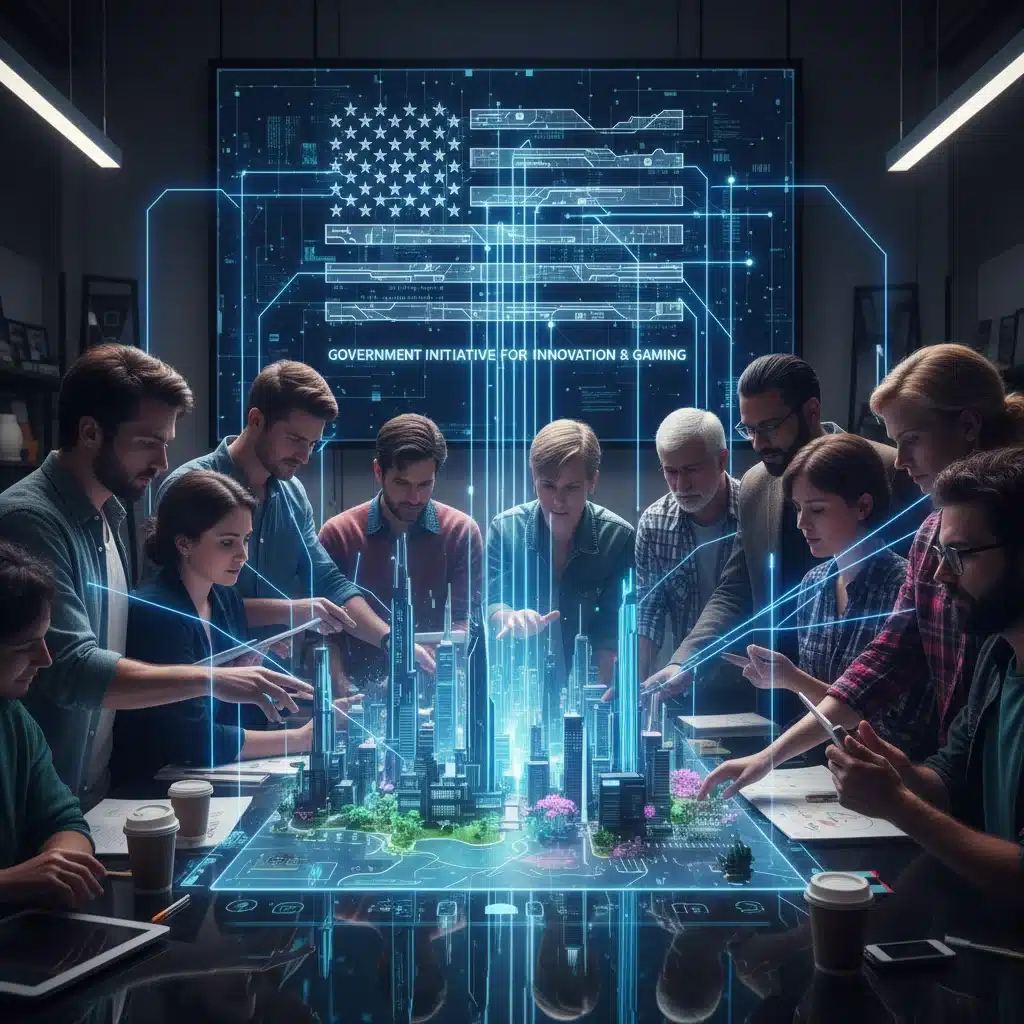
The landscape of interactive entertainment is constantly evolving, driven by relentless innovation and creative vision. Recognising the significant economic and cultural impact of the video game industry, the United States government is stepping up to foster this growth. Exciting news for game developers, studios, and aspiring innovators: new US government funding for game innovation will become available starting January 2026. This initiative aims to bolster the industry, encourage groundbreaking projects, and solidify America’s position as a leader in interactive technology. This comprehensive guide will delve into the specifics of these new game innovation grants, outlining what you need to know to prepare for these unprecedented opportunities.
Understanding the Vision Behind These Game Innovation Grants
The decision to allocate substantial government funding towards game innovation is not merely about supporting a niche entertainment sector. It’s a strategic investment in technology, education, and economic development. Video games are at the forefront of several technological advancements, including artificial intelligence, virtual reality, augmented reality, cloud computing, and advanced graphics rendering. By supporting game developers, the government is indirectly investing in research and development that has broad applications across various sectors, from defence and healthcare to education and scientific visualisation.
These grants are designed to:
- Stimulate Economic Growth: The video game industry is a multi-billion dollar sector, creating thousands of high-paying jobs. Government funding can accelerate the growth of existing studios and foster the creation of new ones, particularly small and independent developers.
- Promote Technological Advancement: Games often push the boundaries of what’s technologically possible. Funding innovative projects can lead to breakthroughs in areas like AI, VR/AR, and interactive storytelling that benefit the wider tech ecosystem.
- Enhance Educational and Training Tools: Serious games and simulations are powerful tools for learning and training. Grants can support the development of games for educational purposes, workforce development, and even therapeutic applications.
- Foster Cultural Expression: Video games are a powerful medium for storytelling and cultural expression. Supporting diverse voices and innovative narratives can enrich the cultural landscape of the nation.
- Strengthen Global Competitiveness: By investing in domestic game development, the US aims to maintain and enhance its competitive edge in the global interactive entertainment market.
Key Details of the Upcoming Game Innovation Grants (January 2026)
While the full details of the grant programmes are still being finalised, preliminary information indicates several key areas of focus and eligibility criteria. It’s crucial for prospective applicants to start preparing now, even before the official guidelines are released.
Who is Eligible for These Game Innovation Grants?
Eligibility is expected to be broad but focused on entities capable of delivering innovative and impactful projects. General categories are likely to include:
- Independent Game Developers and Studios: Small to medium-sized enterprises (SMEs) are often the birthplace of groundbreaking ideas but face significant funding challenges. These grants are expected to provide a vital lifeline.
- Academic Institutions: Universities and research centres engaged in game development, interactive media research, or serious games initiatives.
- Non-Profit Organisations: Groups focused on using games for social good, education, or cultural preservation.
- Start-ups and Emerging Companies: New ventures with innovative concepts that require initial capital to get off the ground.
Specific requirements regarding company size, revenue, and years in operation will be detailed in the official grant announcements. It is anticipated that a strong emphasis will be placed on American-based entities and projects that demonstrate a clear benefit to the US economy or society.
Areas of Innovation to be Prioritised
The government is keen on funding projects that push the boundaries of current game development. While not exhaustive, the following areas are likely to receive significant attention:
- Advanced AI in Games: Projects exploring new frontiers in AI for adaptive gameplay, realistic NPCs, procedural content generation, or intelligent tutoring systems.
- Virtual Reality (VR) and Augmented Reality (AR) Experiences: Immersive and interactive VR/AR games that offer novel experiences, particularly those with educational, training, or therapeutic applications.
- Serious Games and Gamification: Development of games for learning, health, civic engagement, scientific research, or workforce training.
- Accessibility in Gaming: Innovations that make games more accessible to players with disabilities, including new input methods, customisation options, and inclusive design principles.
- Cloud Gaming and Distributed Computing: Projects that leverage cloud infrastructure for enhanced gameplay, scalability, or new forms of multiplayer experiences.
- Novel Input Devices and Interfaces: Research and development into new ways players interact with games beyond traditional controllers.
- Interactive Storytelling and Narrative Design: Projects that explore new paradigms for player agency, emergent narratives, and branching storylines.
- Sustainable Game Development: Initiatives focused on environmentally friendly game production practices or games that promote ecological awareness.
The Application Process: What to Expect
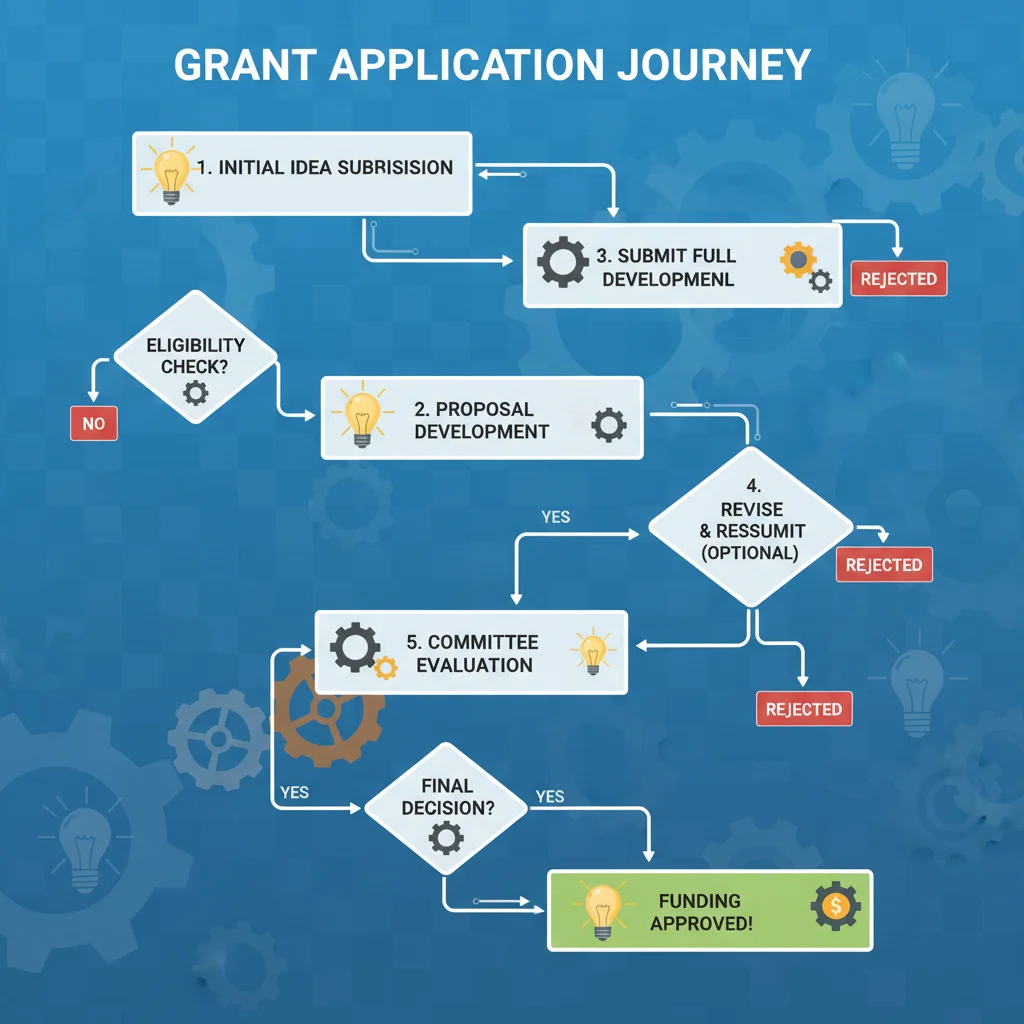
Applying for government grants can be a complex process, but preparation is key. While the specific application portal and forms will be released closer to January 2026, the general structure is likely to follow established federal grant application procedures.
Phase 1: Pre-Application and Research
Before January 2026, prospective applicants should:
- Monitor Official Announcements: Keep a close eye on government websites (e.g., Grants.gov, relevant departmental sites) for official Requests for Proposals (RFPs) or Notices of Funding Opportunity (NOFOs).
- Identify Relevant Agencies: While a dedicated ‘Game Innovation Fund’ might be established, initial funding could come through existing agencies like the National Endowment for the Arts (NEA), National Science Foundation (NSF), Department of Education, or even the Small Business Administration (SBA).
- Understand the Grant’s Objectives: Each grant will have specific goals. Ensure your project aligns perfectly with these objectives to maximise your chances of success.
- Prepare Your Organisation: Ensure your legal entity is properly registered and in good standing. For businesses, this includes having an Employer Identification Number (EIN) and potentially registering with the System for Award Management (SAM.gov), which is often a prerequisite for federal funding.
Phase 2: Proposal Development
This is where your project comes to life on paper. A strong proposal for game innovation grants typically includes:
- Executive Summary: A concise overview of your project, its innovation, and expected impact. This is your elevator pitch.
- Project Description: A detailed explanation of your game concept, including gameplay mechanics, target audience, technical specifications, and innovative elements. Clearly articulate how your project pushes boundaries.
- Statement of Need/Problem: What problem does your game solve, or what gap in the market or technology does it address?
- Goals and Objectives: Specific, measurable, achievable, relevant, and time-bound (SMART) goals for your project.
- Methodology/Work Plan: A step-by-step breakdown of how you will execute the project, including timelines, milestones, and deliverables.
- Team Qualifications: Highlight the experience and expertise of your development team, demonstrating their capacity to successfully complete the project.
- Budget and Justification: A detailed breakdown of how the grant funds will be used, with clear justifications for each expense. This must be realistic and align with project scope.
- Evaluation Plan: How will you measure the success and impact of your project?
- Sustainability Plan: How will the project continue or generate impact beyond the grant period?
Phase 3: Submission and Review
Once the application window opens:
- Follow Instructions Meticulously: Government grant applications are notorious for their strict adherence to guidelines. Any deviation can lead to disqualification.
- Submit Early: Technical issues can arise. Submitting well before the deadline is always advisable.
- Be Prepared for Follow-up: Grant committees may request additional information or clarification.
Maximising Your Chances for Game Innovation Grants Success
Securing government funding is competitive. Here are critical strategies to enhance your application for these game innovation grants:
1. Clearly Define Your Innovation
Don’t just say your game is innovative; demonstrate it. What specific new technology, gameplay mechanic, narrative structure, or social impact does your project offer? Provide evidence, even if it’s theoretical at this stage, of how your project stands apart and contributes meaningfully to the field.
2. Build a Strong, Diverse Team
Highlight the expertise of your team members. Showcase their relevant experience, past projects, and specific skills that make them uniquely qualified to execute your vision. A diverse team, both in skill sets and backgrounds, can also be a significant advantage, demonstrating a broader perspective and capability.
3. Craft a Compelling Narrative
Beyond the technical details, your proposal needs to tell a story. Why is your project important? What impact will it have? How will it benefit society, technology, or the economy? Engage the reviewers emotionally and intellectually.
4. Develop a Realistic and Detailed Budget
Your budget should be transparent, justified, and align with your project’s scope. Over-requesting or under-budgeting can both raise red flags. Be prepared to explain every line item and demonstrate fiscal responsibility.
5. Demonstrate Feasibility and Impact
Reviewers want to be confident that your project can be completed successfully and that it will have a tangible impact. Provide a clear work plan with achievable milestones. Articulate the potential economic, social, or technological benefits of your game.
6. Seek Feedback and Review
Before submission, have others review your proposal. Fresh eyes can catch errors, identify areas for improvement, and ensure clarity. Consider seeking advice from grant writing professionals or mentors with experience in federal applications.
7. Network and Engage
Attend industry events, webinars, and informational sessions related to these grants. Networking with potential partners, mentors, and even government representatives can provide valuable insights and connections.
The Broader Impact of Game Innovation Grants
The introduction of these significant game innovation grants from the US government signals a pivotal moment for the interactive entertainment industry. It acknowledges games not just as entertainment, but as vital engines of economic growth, technological advancement, and cultural expression. This strategic investment is expected to:
- Foster a More Robust Indie Scene: Independent developers often struggle with funding. These grants could empower a new generation of creators to bring their unique visions to life without the constraints of traditional publishing models.
- Accelerate R&D: With dedicated funding, studios can invest more heavily in risky but potentially revolutionary research and development, pushing the boundaries of what games can be.
- Create High-Value Jobs: The growth spurred by these grants will lead to more opportunities for programmers, artists, designers, writers, and other specialists within the game industry.
- Enhance Educational Outcomes: By specifically encouraging serious games, the grants will contribute to innovative learning tools, potentially transforming education and training across various sectors.
- Promote Diversity and Inclusion: Grant programmes often include provisions or preferences for projects from underrepresented groups or those that promote inclusive themes, fostering a more diverse industry.

Preparing for January 2026 and Beyond
The launch of these US government funding opportunities in January 2026 is a landmark event. For game developers and innovators, the time to prepare is now. Begin by conceptualising projects that align with the anticipated priorities of these game innovation grants. Start assembling your team, refining your ideas, and understanding the rigorous requirements of federal applications. Resources like Grants.gov and the websites of relevant government agencies will be your primary sources of official information.
While the process may seem daunting, the potential rewards are immense. These grants offer not just financial support, but also validation and a platform for groundbreaking projects to achieve national and global recognition. By strategically preparing and submitting well-crafted proposals, you can play a crucial role in shaping the future of interactive entertainment and leveraging government support to bring your most ambitious game innovations to fruition.
Stay Informed: Key Resources
To ensure you are ready when these game innovation grants become available, consider the following:
- Grants.gov: The central hub for all federal grant opportunities. Register for an account and set up email alerts for keywords like ‘game development,’ ‘interactive media,’ ‘virtual reality,’ etc.
- Small Business Administration (SBA): Often provides resources and assistance for small businesses seeking federal contracts and grants.
- National Endowment for the Arts (NEA): Sometimes funds projects at the intersection of art and technology, which could include innovative games.
- National Science Foundation (NSF): Funds research and development in various technological fields, including computer science and human-computer interaction, which are highly relevant to game innovation.
- Department of Education: A potential source for grants specifically targeting educational games or serious games for learning.
- Industry Associations: Organisations like the Entertainment Software Association (ESA) or the International Game Developers Association (IGDA) may provide updates and resources.
The journey to securing government funding for your game innovation begins today. With diligent preparation and a clear vision, you can position your project to benefit from these exciting new opportunities, driving forward the next wave of interactive experiences.