US Game Dev Talent: Attracting & Retaining Top Developers in 2026

The landscape of game development is perpetually in motion, driven by technological advancements, evolving player expectations, and a fiercely competitive talent market. For US game studios, the challenge of attracting and retaining top-tier developers is becoming increasingly complex, particularly as we look towards 2026. The demand for specialized skills, coupled with a generational shift in workforce priorities, necessitates a proactive and innovative approach to talent management. This comprehensive guide will explore the critical strategies and insights needed to navigate the intricacies of the US game dev talent market, ensuring your studio not only survives but thrives in the coming years.
Understanding the current state of the US game dev talent market is the first step. It’s characterized by high demand for niche skills, particularly in areas like AI, VR/AR, cloud gaming, and advanced graphics programming. Experienced developers are highly sought after, but so are promising junior talents who bring fresh perspectives and adaptability. The ‘great resignation’ and subsequent shifts in work preferences have also profoundly impacted this sector, making traditional recruitment methods less effective. Studios must now compete not just on salary, but on a holistic value proposition that encompasses culture, flexibility, growth opportunities, and a clear vision.
Our focus on US Game Dev Talent will delve into actionable strategies to secure the best minds. From refining your employer brand to implementing cutting-edge retention programs, every aspect of your talent pipeline needs to be optimized. This isn’t just about filling vacancies; it’s about building resilient, innovative teams capable of pushing the boundaries of interactive entertainment.
The Evolving Landscape of US Game Dev Talent in 2026
As we approach 2026, several key trends are shaping the US game development talent market. Studios must acknowledge these shifts to remain competitive. Firstly, the demand for highly specialized roles continues to outpace supply. Expertise in areas such as procedural generation, blockchain integration (for in-game economies), advanced physics engines, and cross-platform development is becoming non-negotiable. Developers with a blend of technical prowess and creative problem-solving skills are the golden standard.
Secondly, the expectation for flexible work arrangements has solidified. The pandemic accelerated the adoption of remote and hybrid models, and many developers now consider these non-negotiable benefits. Studios that insist on strict in-office policies risk alienating a significant portion of the US Game Dev Talent pool. Offering genuine flexibility, coupled with robust remote work infrastructure, is crucial for broadening your reach and attracting candidates from diverse geographical locations.
Thirdly, diversity, equity, and inclusion (DEI) are no longer just buzzwords; they are fundamental pillars of a progressive and attractive employer brand. Developers, especially younger generations, actively seek out studios that demonstrate a genuine commitment to creating inclusive environments where all voices are heard and valued. A diverse workforce not only fosters innovation but also reflects the diverse player base, leading to more authentic and universally appealing games.
Finally, the competitive landscape is intensifying. Beyond established AAA studios, a burgeoning indie scene, well-funded mid-tier developers, and even tech giants venturing into gaming are all vying for the same limited pool of US Game Dev Talent. This means studios must differentiate themselves beyond just salary, focusing on culture, project innovation, and career development pathways.
Key Challenges in Attracting US Game Dev Talent
The journey to securing top US Game Dev Talent is fraught with challenges. One of the most significant is the sheer competition. With numerous studios vying for similar skill sets, a ‘developer’s market’ has emerged, giving candidates more leverage in choosing their next role. This drives up salary expectations and benefit demands, placing pressure on studio budgets.
Another challenge is the rapid pace of technological change. Game development tools and techniques evolve constantly, meaning skills can quickly become outdated. Studios need to invest in continuous learning and development for their existing teams while also seeking candidates who demonstrate a strong aptitude for learning and adapting to new technologies. The gap between academic training and industry demands also contributes to this challenge, requiring studios to potentially invest in upskilling new graduates.
Geographic limitations, even with remote work, can also pose a hurdle. While remote work expands the talent pool, it also means studios compete with companies across the globe. Additionally, for roles that still require some in-office presence, attracting talent to less desirable or high-cost locations can be difficult. Studios in major tech hubs, while having access to a larger pool, face intense local competition and higher cost of living adjustments.
Finally, maintaining a positive employer brand in a highly connected industry is vital. Negative reviews on platforms like Glassdoor or LinkedIn can quickly deter potential candidates. Studios must actively manage their online reputation, address feedback constructively, and ensure their internal culture aligns with their external messaging. Transparency and authenticity are key to building trust with prospective US Game Dev Talent.
Strategic Recruitment: Finding and Engaging Top Developers
Effective recruitment in 2026 demands more than just posting job ads. It requires a strategic, multi-faceted approach that engages potential candidates long before they even consider applying. This means building strong talent pipelines and nurturing relationships within the game development community.
Building a Powerful Employer Brand
Your employer brand is your studio’s reputation as a place to work. It’s what differentiates you from competitors and attracts the right kind of US Game Dev Talent. To build a powerful brand, you must:
- Define Your Unique Value Proposition (UVP): What makes your studio special? Is it your innovative projects, your collaborative culture, your commitment to work-life balance, or your impact on the gaming world? Clearly articulate your UVP.
- Showcase Your Culture Authentically: Use your website, social media, and recruitment materials to give a genuine glimpse into daily life at your studio. Highlight team events, developer stories, and the passion that drives your work. Video content and employee testimonials are incredibly effective.
- Promote Your Games and Impact: Developers want to work on exciting projects. Regularly share updates on your game development, successes, and the positive impact your games have on players. This fuels passion and pride.
- Engage with the Community: Sponsor game jams, host workshops, participate in industry conferences, and contribute to open-source projects. This positions your studio as an active and respected member of the game development ecosystem.
Optimizing Your Recruitment Process
A streamlined, respectful, and efficient recruitment process is crucial for attracting and securing US Game Dev Talent. Developers often apply to multiple studios simultaneously, so a slow or cumbersome process can lead to losing out on top candidates.
- Clear Job Descriptions: Write concise, accurate, and appealing job descriptions that clearly outline responsibilities, required skills, and what the role offers. Avoid jargon where possible and focus on the impact the developer will have.
- Efficient Application System: Ensure your application portal is user-friendly and doesn’t require excessive steps. Mobile-friendliness is also key.
- Timely Communication: Acknowledge applications promptly and keep candidates informed at every stage of the process. Provide realistic timelines for responses and interviews. Ghosting candidates is a quick way to damage your reputation.
- Structured Interviews: Conduct structured interviews that assess both technical skills and cultural fit. Train interviewers to ask consistent questions and provide objective feedback. Incorporate practical assessments or portfolio reviews relevant to the role.
- Personalized Feedback: Even for unsuccessful candidates, providing constructive feedback (where appropriate and feasible) can leave a positive impression and maintain goodwill within the industry.
Leveraging Technology and Data in Recruitment
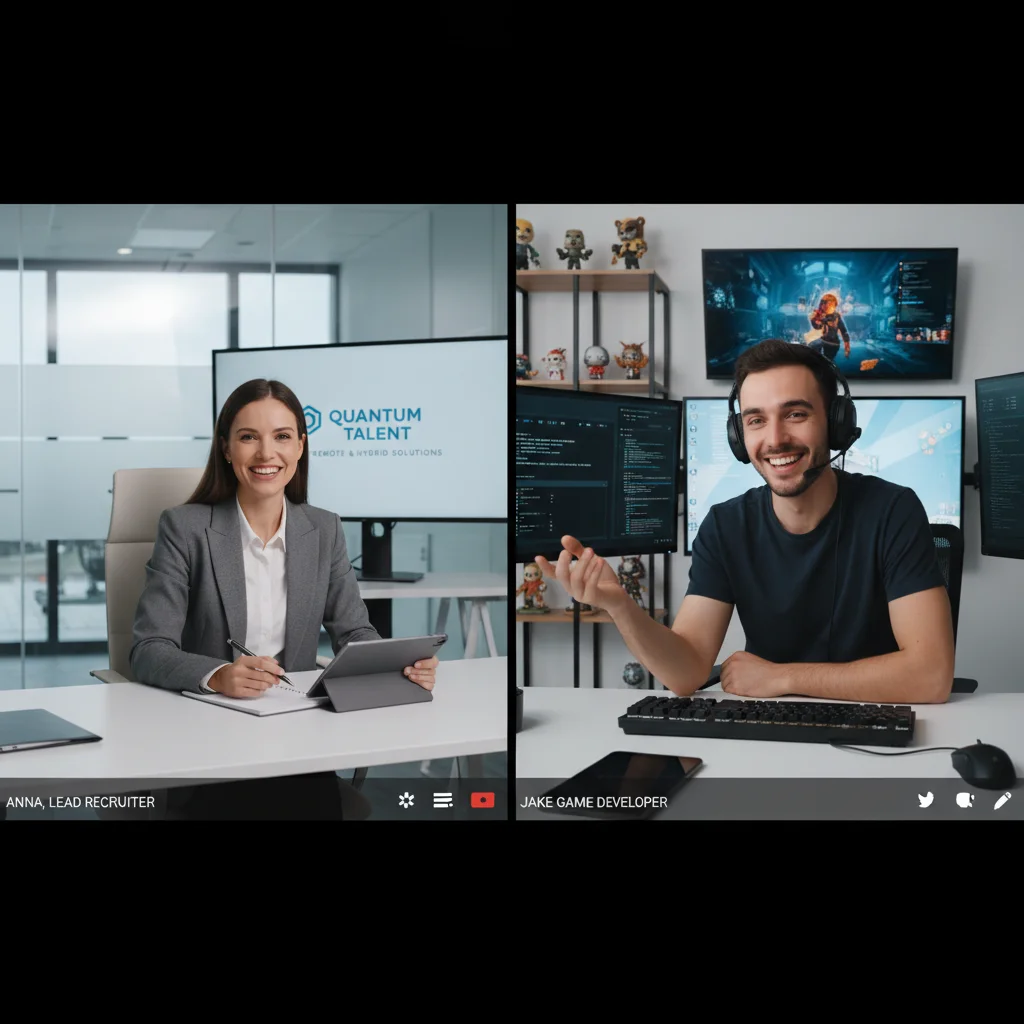
Technology can significantly enhance your ability to find and attract US Game Dev Talent. Utilize Applicant Tracking Systems (ATS) to manage applications efficiently and identify qualified candidates. AI-powered tools can help with initial screening, resume parsing, and even predicting candidate success.
Data analytics can provide invaluable insights into your recruitment pipeline. Track metrics such as time-to-hire, source of hire, candidate drop-off rates, and diversity statistics. This data allows you to identify bottlenecks, optimize your strategies, and make data-driven decisions to improve your recruitment outcomes. For instance, if you notice a high drop-off rate after the technical assessment, it might indicate the assessment is too long or not well-aligned with the role’s actual requirements.
Retention Strategies: Keeping Your Best US Game Dev Talent
Attracting top US Game Dev Talent is only half the battle; retaining them is equally, if not more, important. High turnover is costly, disruptive, and can negatively impact team morale and project timelines. Proactive retention strategies are essential for long-term success.
Competitive Compensation and Benefits
While not the only factor, competitive compensation remains a critical component of retention. Studios must regularly benchmark salaries against industry standards, especially for specialized roles. This includes not just base salary but also bonuses, equity options, and performance-based incentives. Transparency around compensation structures can also build trust.
Beyond salary, a comprehensive benefits package is highly valued. This typically includes:
- Health and Wellness: Robust health, dental, and vision insurance, mental health support, and wellness programs.
- Retirement Plans: 401(k) matching or other retirement savings plans.
- Paid Time Off: Generous vacation, sick leave, and parental leave policies.
- Professional Development: Budgets for conferences, online courses, certifications, and internal training programs.
- Unique Perks: On-site amenities (if applicable), game allowances, flexible spending accounts, and employee assistance programs.
Consider offering unique benefits tailored to the gaming industry, such as access to new games, hardware discounts, or opportunities to attend major industry events.
Fostering a Positive and Inclusive Studio Culture
A healthy studio culture is arguably the strongest retention tool. Developers want to work in an environment where they feel respected, valued, and empowered. Key elements of a positive culture include:
- Transparency and Communication: Openly communicate company goals, project updates, and challenges. Encourage feedback from all levels and act on it.
- Work-Life Balance: Actively combat crunch culture. Promote reasonable working hours, encourage breaks, and respect personal time. This is a major factor for retaining US Game Dev Talent.
- Psychological Safety: Create an environment where developers feel safe to express ideas, ask questions, and admit mistakes without fear of retribution.
- Recognition and Appreciation: Regularly acknowledge and reward hard work and achievements, both big and small. Public recognition, bonuses, or even a simple ‘thank you’ can go a long way.
- Diversity, Equity, and Inclusion: Implement concrete DEI initiatives. This includes diverse hiring panels, inclusive language, anti-harassment training, and fostering employee resource groups. Ensure all voices are heard and respected.
Career Development and Growth Opportunities
Top US Game Dev Talent are ambitious and driven. They want to grow their skills and advance their careers. Studios must provide clear pathways for development:
- Mentorship Programs: Pair junior developers with experienced mentors.
- Skill Development: Offer access to training, workshops, and courses to help developers stay current with new technologies and expand their skill sets.
- Internal Mobility: Create opportunities for developers to move into different roles or departments within the studio, allowing them to explore new interests and gain broader experience.
- Leadership Training: Identify potential leaders and provide them with the training and support needed to step into management roles.
- Performance Reviews and Goal Setting: Conduct regular, constructive performance reviews that focus on growth, set clear goals, and provide actionable feedback.
Embracing Hybrid and Remote Work Models
As mentioned earlier, flexibility is paramount. For 2026, a well-implemented hybrid or remote work model is no longer a luxury but a necessity for retaining US Game Dev Talent. This requires:
- Robust Infrastructure: Invest in reliable VPNs, collaboration tools (e.g., Slack, Discord, Jira, Confluence), and hardware to ensure seamless remote work.
- Clear Communication Protocols: Establish guidelines for remote communication to ensure everyone stays connected and informed.
- Fairness and Equity: Ensure remote employees have the same access to opportunities, feedback, and recognition as their in-office counterparts. Avoid ‘proximity bias’.
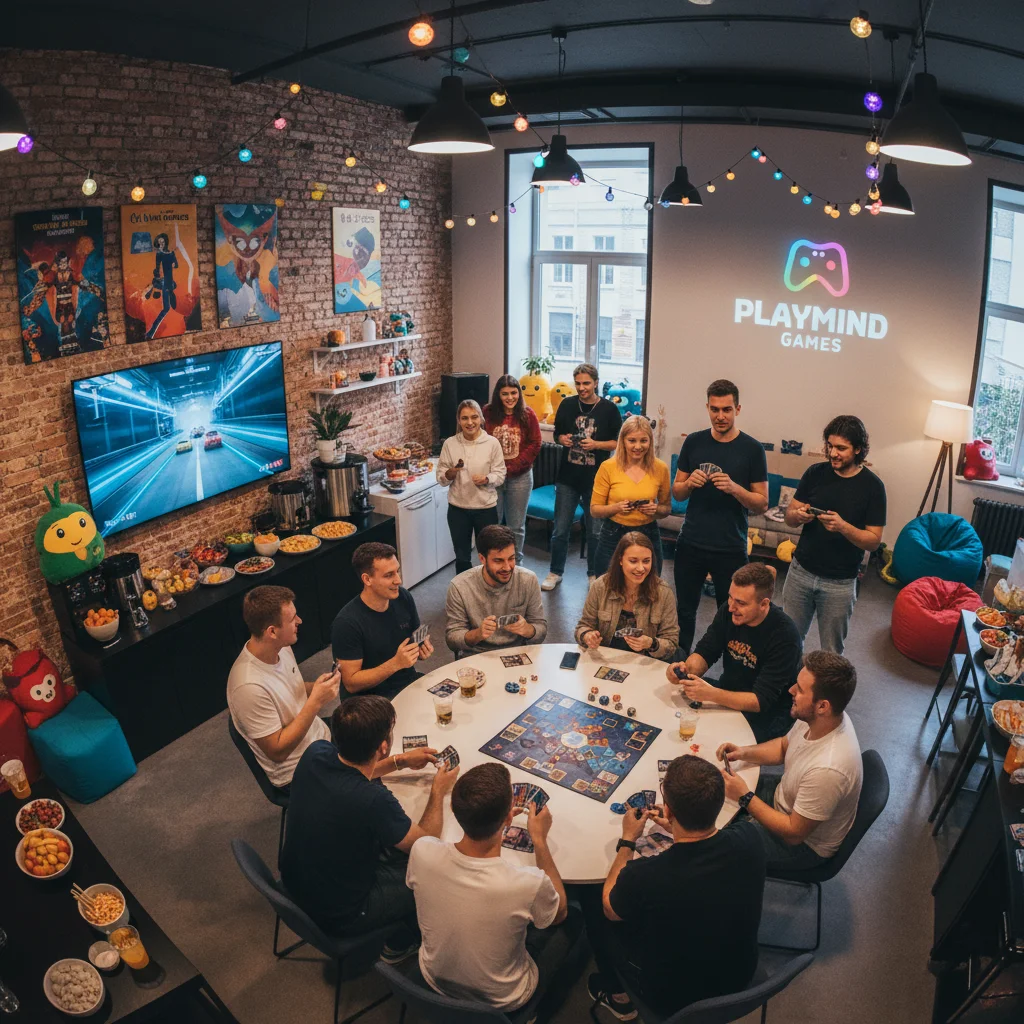
- Team Building Across Distances: Organize virtual social events, online game sessions, and occasional in-person meetups to foster team cohesion regardless of location.
Looking Ahead: Future-Proofing Your Talent Strategy
The game development industry is dynamic, and talent strategies must evolve continually. To future-proof your approach to securing US Game Dev Talent, consider these forward-thinking initiatives:
Investing in Emerging Technologies and Skills
Stay ahead of the curve by investing in research and development for emerging technologies. This not only keeps your studio innovative but also attracts developers eager to work on cutting-edge projects. Consider upskilling your current workforce in areas like:
- Generative AI: For content creation, NPC behavior, and even game design.
- Advanced Cloud Computing: To support scalable multiplayer experiences and remote development.
- Metaverse Development: For immersive, persistent digital worlds.
- Cybersecurity: Crucial for protecting game assets, player data, and preventing cheating.
By demonstrating a commitment to innovation, you position your studio as a desirable destination for forward-thinking US Game Dev Talent.
Strengthening Academic and Industry Partnerships
Forge stronger ties with universities and game development programs. This can involve:
- Internship Programs: Offer paid internships to identify and nurture promising junior talent.
- Guest Lectures and Workshops: Have your developers share their expertise with students.
- Curriculum Development: Collaborate with academic institutions to ensure their programs align with industry needs.
- Sponsored Projects: Fund student projects or provide resources for game jams.
These partnerships create a direct pipeline for fresh US Game Dev Talent and help shape the next generation of developers.
Leveraging Analytics for Talent Management
Beyond recruitment, data analytics can revolutionize talent management. Utilize HR data to:
- Predict Turnover: Identify patterns and proactively address factors that lead to employees leaving.
- Measure Employee Engagement: Conduct regular surveys and analyze sentiment to gauge morale.
- Optimize Team Composition: Use data to build diverse, high-performing teams with complementary skill sets.
- Personalize Development Plans: Tailor career growth opportunities based on individual performance and aspirations.
A data-driven approach allows for more informed decision-making and a more responsive talent strategy.
Conclusion: A Holistic Approach to US Game Dev Talent in 2026
Navigating the US game development talent market in 2026 requires a holistic, adaptive, and human-centric approach. Studios must move beyond transactional hiring to build enduring relationships with their workforce. This means investing in a powerful employer brand, optimizing recruitment processes, and, critically, fostering a culture that prioritizes developer well-being, growth, and inclusion.
The competition for US Game Dev Talent will only intensify, making differentiation key. By offering competitive compensation, genuine flexibility through hybrid work models, and robust career development opportunities, studios can create an environment where top developers not only want to work but want to stay and thrive. Embracing emerging technologies, strengthening academic partnerships, and leveraging data analytics will further solidify your studio’s position as an employer of choice.
Ultimately, the success of any game studio hinges on the strength and ingenuity of its people. By implementing the strategies outlined in this guide, US game studios can confidently attract, nurture, and retain the exceptional US Game Dev Talent needed to create the groundbreaking games of tomorrow. The future of gaming is bright, and with the right talent strategy, your studio can be at the forefront of its innovation.