Future Game Monetisation: US Publisher Strategies
The Future of Game Monetisation: Key Strategies for US Publishers in the Next 12 Months
The gaming industry is a dynamic behemoth, constantly evolving and innovating. For US publishers, staying ahead of the curve in game monetisation strategies is not just advantageous, it’s essential for survival and growth. As we look ahead to the next 12 months, a confluence of technological advancements, shifting player expectations, and new market dynamics will redefine how games generate revenue. This comprehensive guide will explore the critical approaches and emerging trends that US publishers must embrace to secure their financial future.
The landscape of game monetisation strategies has moved far beyond simple upfront purchases. Free-to-play (F2P) models, once seen as niche, now dominate significant portions of the market, driven by sophisticated in-game economies, subscription services, and diverse advertising models. Understanding these nuances and predicting their trajectory is paramount for any publisher aiming to maximise their earnings and foster long-term player loyalty.
Understanding the Current US Gaming Market Landscape
Before diving into future strategies, it’s crucial to grasp the current state of the US gaming market. The United States remains one of the largest and most lucrative gaming markets globally, characterised by a diverse player base and high spending power. Mobile gaming continues its meteoric rise, console gaming maintains a strong loyal following, and PC gaming sees consistent engagement, particularly in esports and live service titles. Each segment presents unique game monetisation strategies opportunities and challenges.
Key Trends Shaping US Player Behavior:
- Increased Engagement with Live Service Games: Players are investing more time and money into games that offer continuous content updates, seasonal passes, and social features.
- Demand for Authenticity and Value: While willing to spend, players are increasingly discerning. They seek genuine value for their money and are quick to criticise perceived predatory monetisation practices.
- Influence of Content Creators and Streaming: Streamers and YouTubers significantly impact game adoption and purchasing decisions, making community engagement and influencer marketing vital.
- Cross-Platform Play and Progression: The desire for seamless experiences across devices is growing, requiring publishers to think about unified monetisation ecosystems.
These trends underscore the need for flexible, player-centric game monetisation strategies that respect player autonomy while driving revenue. Publishers must balance profitability with player satisfaction to maintain a healthy and sustainable game economy.
Evolving Monetisation Models: Beyond the Basics
The next 12 months will see a refinement and expansion of existing monetisation models, alongside the emergence of new paradigms. US publishers should focus on a diversified portfolio of game monetisation strategies.
1. Advanced In-Game Purchases and Virtual Economies
In-game purchases (IAPs) remain the bedrock of F2P monetisation. However, the sophistication of these systems is increasing. Publishers are moving towards:
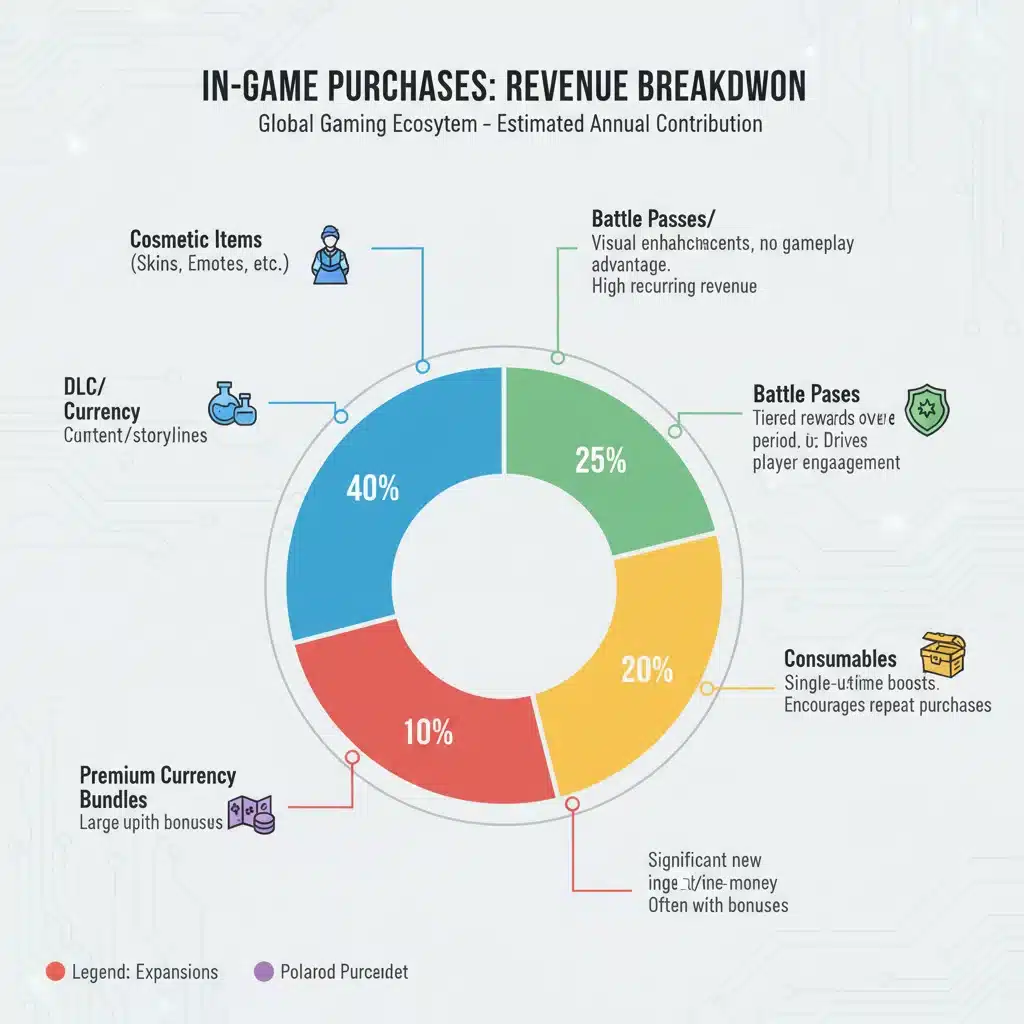
- Battle Passes and Season Passes: These tiered reward systems encourage consistent play and offer excellent value for money, driving both engagement and recurring revenue. Successful implementation requires a steady stream of engaging content and clear progression paths.
- Cosmetic Customisation: Skins, emotes, and other cosmetic items offer a powerful way for players to express themselves without impacting gameplay balance. The key is to create desirable, high-quality cosmetics that resonate with the player base.
- Gacha Mechanics (with ethical considerations): While controversial, gacha can be highly lucrative. US publishers must navigate regulatory scrutiny and public perception by ensuring transparency, clear odds, and responsible design to prevent exploitative practices.
- Consumables and Boosts: Time-savers and experience boosts continue to be popular, especially in mobile and casual games. However, their design must avoid creating a ‘pay-to-win’ scenario that alienates players.
The success of these IAP game monetisation strategies hinges on a deep understanding of player psychology and game design. The goal is to offer compelling value propositions that enhance the player experience, rather than simply extracting money.
2. Subscription Services and Premium Tiers
Inspired by services like Xbox Game Pass and PlayStation Plus, game-specific subscription models are gaining traction. These can take several forms:
- Premium Battle Pass Tiers: Offering enhanced rewards and exclusive content for a recurring fee.
- VIP Memberships: Providing ongoing benefits like daily bonuses, exclusive access to certain features, or discounts on in-game items.
- Content Unlock Subscriptions: A model where a monthly fee grants access to a rotating library of games or exclusive expansions within a single title.
For US publishers, the challenge is to demonstrate continuous value that justifies a recurring payment. This requires a robust content pipeline and a commitment to regular updates that keep subscribers engaged. The shift towards ‘games as a service’ fundamentally changes the approach to game monetisation strategies, demanding ongoing development and community interaction.
3. Hybrid Monetisation Approaches
The most successful games often employ a blend of game monetisation strategies. For example, a game might be free-to-play, offer a battle pass, and also include optional cosmetic IAPs. This hybrid model allows publishers to cater to different player segments and spending habits, diversifying revenue streams and reducing reliance on a single income source.
The key to a successful hybrid model is seamless integration. Monetisation elements should feel organic to the game experience, not tacked on. They should enhance, rather than detract from, the core gameplay loop. Transparency about what players are purchasing and how it impacts their experience is also vital for maintaining trust.
Leveraging Data and Analytics for Optimised Monetisation
In the modern gaming era, data is king. US publishers must invest heavily in robust analytics platforms to understand player behaviour, identify monetisation opportunities, and optimise their game monetisation strategies. This involves:
- Player Segmentation: Dividing players into groups based on their spending habits, engagement levels, and preferences allows for targeted offers and personalised experiences. For instance, ‘whales’ (high-spending players) might respond to exclusive, high-value bundles, while casual players might be enticed by smaller, frequent discounts.
- A/B Testing: Experimenting with different pricing, bundle configurations, and promotional messages to determine what resonates best with various player segments. This scientific approach removes guesswork from monetisation decisions.
- Churn Prediction and Retention: Using data to identify players at risk of leaving the game and implementing targeted interventions (e.g., special offers, personalised content) to re-engage them. Retaining existing players is often more cost-effective than acquiring new ones.
- Lifetime Value (LTV) Optimisation: Focusing not just on immediate purchases but on the long-term value a player brings to the game. This might involve nurturing community engagement, offering loyalty rewards, and continuously providing fresh content to extend a game’s lifespan.
Effective data utilisation transforms game monetisation strategies from a guessing game into a precise science, allowing publishers to make informed decisions that drive sustainable revenue growth.
Emerging Trends and Disruptive Technologies
Beyond the refinement of existing models, several emerging trends and disruptive technologies are poised to reshape game monetisation strategies in the next 12 months and beyond.
1. Blockchain and NFTs in Gaming
The integration of blockchain technology and Non-Fungible Tokens (NFTs) into gaming presents a paradigm shift in digital ownership. While still in its nascent stages and facing significant hurdles related to mainstream adoption and public perception, the potential is undeniable:
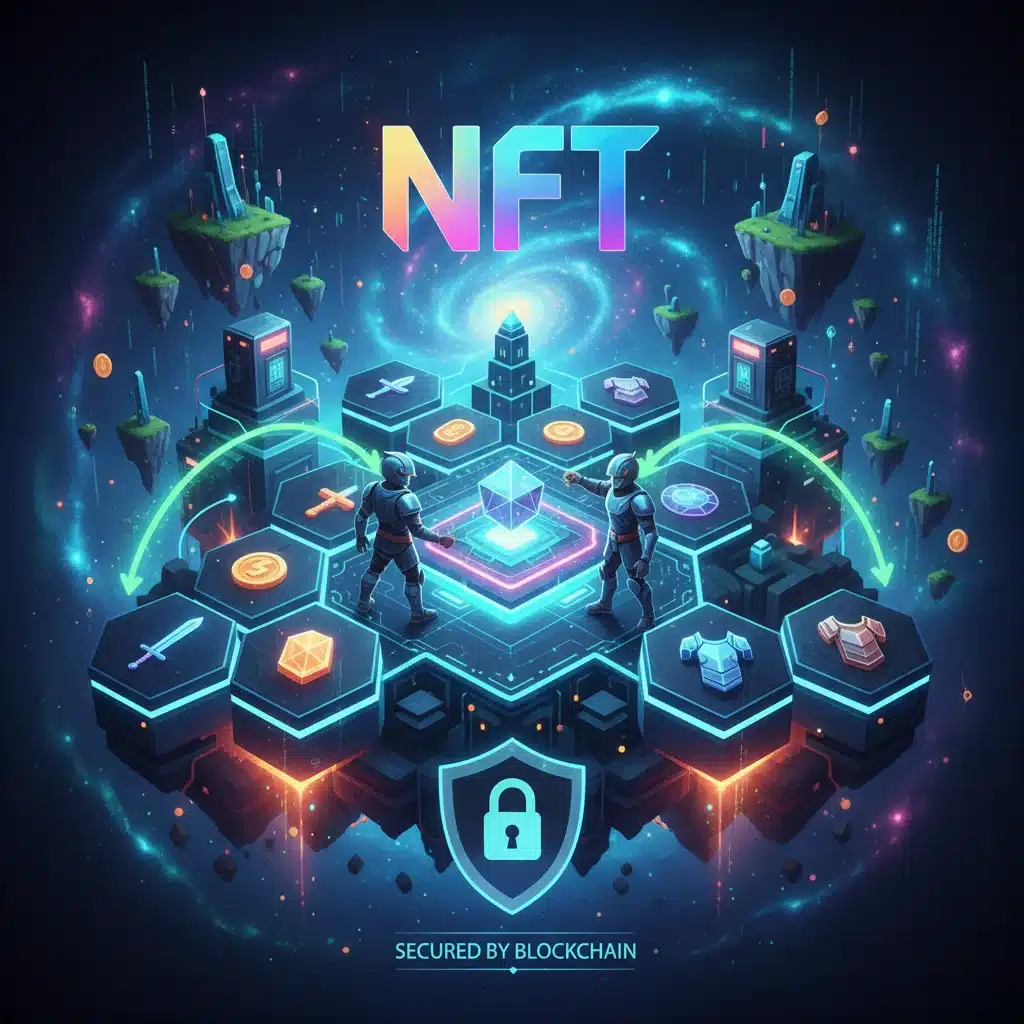
- True Digital Ownership: NFTs allow players to truly own in-game assets, which can then be traded, sold, or even used across different games (if interoperability is achieved). This creates a real-world economy within games.
- Play-to-Earn (P2E) Models: Players can earn cryptocurrency or NFTs through gameplay, which can then be exchanged for real-world value. This incentivises engagement in a powerful new way.
- Enhanced Scarcity and Collectibility: NFTs can guarantee the unique identity and scarcity of digital items, appealing to collectors and driving demand.
US publishers exploring this space must proceed with caution, focusing on creating genuine value for players and addressing concerns around environmental impact, speculation, and user experience. The key will be to integrate blockchain as a technology that enhances gameplay and ownership, rather than merely a speculative investment tool. Successful game monetisation strategies in this area will focus on utility and fun, not just financial gain.
2. Cloud Gaming and Subscription Bundles
The rise of cloud gaming platforms (e.g., Xbox Cloud Gaming, GeForce Now, Amazon Luna) is changing how players access games. This shift opens new avenues for game monetisation strategies:
- Platform-Agnostic Subscriptions: Publishers might offer their entire catalogue or specific titles as part of a cloud gaming subscription, reaching players across multiple devices without requiring powerful hardware.
- Micro-Subscriptions for Cloud Features: Premium tiers within cloud gaming services could offer faster queues, higher resolution streaming, or exclusive game access.
- New Advertising Models: As cloud gaming expands, dynamic in-game advertising could become more prevalent, seamlessly integrated into the streamed experience.
For US publishers, adapting to cloud gaming means considering how their existing game monetisation strategies translate to a streaming environment and exploring new revenue opportunities tied to accessibility and convenience.
3. AI-Driven Personalisation and Dynamic Pricing
Artificial intelligence is set to revolutionise game monetisation strategies by enabling unprecedented levels of personalisation:
- Dynamic Pricing: AI can analyse individual player behaviour and offer personalised pricing for items, bundles, or subscriptions based on their past spending, engagement, and perceived value. This maximises revenue while potentially improving player satisfaction by offering relevant deals.
- AI-Generated Content: While still experimental, AI could eventually generate unique cosmetic items or even small quests on the fly, offering an endless stream of monetisable content tailored to individual players.
- Personalised Storefronts: AI can curate in-game stores to display items most relevant to a player’s preferences, playing style, and progression, increasing the likelihood of a purchase.
The ethical implications of AI-driven monetisation must be carefully considered, ensuring transparency and fairness to maintain player trust. The goal is to use AI to enhance the player experience and offer genuine value, not to exploit vulnerabilities.
Ethical Considerations and Player Trust
As game monetisation strategies become more sophisticated, so does the scrutiny from players, regulators, and consumer advocates. For US publishers, maintaining player trust is paramount. This involves:
- Transparency: Clearly communicating what players are purchasing, the odds of receiving certain items (in gacha mechanics), and how monetisation impacts gameplay.
- Fairness: Avoiding ‘pay-to-win’ mechanics that create an unfair advantage for paying players over non-paying ones, especially in competitive games.
- Responsible Design: Implementing features like spending limits, clear age ratings, and self-exclusion options to promote responsible spending habits, particularly concerning loot boxes and gacha.
- Value Proposition: Ensuring that all monetised content offers genuine value and enhances the player’s experience, rather than feeling like an arbitrary gate or an attempt to extract money.
Publishers who prioritise ethical game monetisation strategies will build stronger, more loyal communities, which in turn leads to more sustainable long-term revenue.
Strategic Implementation for US Publishers
To successfully implement these game monetisation strategies, US publishers should consider the following:
1. Diversify Your Portfolio
Don’t put all your eggs in one basket. Experiment with different monetisation models across your game portfolio. A mobile casual game might thrive on rewarded ads and small IAPs, while a console AAA title might benefit from a battle pass and cosmetic shop. Diversification mitigates risk and allows you to cater to varied player preferences.
2. Focus on Player Engagement and Retention
A monetisation strategy is only as good as the game it supports. Prioritise creating compelling, engaging gameplay that keeps players coming back. High retention naturally leads to more opportunities for monetisation. Live service roadmaps, community events, and regular content updates are crucial for this.
3. Invest in Technology and Talent
Implementing advanced analytics, AI-driven personalisation, or blockchain technologies requires significant investment in infrastructure and skilled personnel. US publishers should evaluate their internal capabilities and consider partnerships with specialists where necessary.
4. Stay Agile and Adaptable
The gaming industry moves fast. What works today might not work tomorrow. Publishers must maintain an agile mindset, constantly monitoring market trends, player feedback, and technological advancements. Be prepared to iterate, test, and pivot your game monetisation strategies as needed.
5. Understand Regulatory Environment
The regulatory landscape around gaming, particularly concerning loot boxes and consumer protection, is evolving. US publishers must stay informed about potential legal changes at both federal and state levels to ensure their game monetisation strategies remain compliant.
Case Studies: Learning from Successes and Failures
Examining real-world examples can provide invaluable insights into effective game monetisation strategies.
Success Story: Fortnite’s Battle Pass Model
Epic Games’ Fortnite revolutionised the battle royale genre and its monetisation. The seasonal Battle Pass offers a clear progression path with both free and premium tiers, incentivising consistent play and providing a steady stream of cosmetic rewards. This model is highly successful because it offers immense value for a relatively low price, respects player choice (cosmetics don’t impact gameplay), and fosters a strong sense of community and progression. It’s a prime example of how to make players feel good about their purchases.
Lessons from Challenges: Early Loot Box Implementations
Some early implementations of loot boxes, particularly those that offered gameplay advantages or were perceived as gambling, faced significant backlash. Games like Star Wars Battlefront II initially struggled with public perception due to aggressive monetisation tactics. The key takeaway here is that perceived fairness and a strong value proposition are critical. When monetisation feels exploitative, it can severely damage a game’s reputation and long-term viability. This highlights the importance of ethical game monetisation strategies.
The Role of Community in Monetisation
A highly engaged community is a publisher’s most valuable asset, directly impacting the success of any game monetisation strategies. Publishers must actively foster and nurture their communities through:
- Open Communication: Regular updates, developer diaries, and direct engagement with players on social media and forums build trust and transparency.
- Listening to Feedback: Players often have valuable insights into what content they desire and how they prefer to spend their money. Incorporating this feedback can lead to more successful monetisation features.
- Community-Driven Content: Empowering players to create and share content (e.g., through modding tools or in-game creation suites) can extend a game’s lifespan and create new monetisation opportunities (e.g., through curated marketplaces).
- Events and Esports: Organising in-game events, tournaments, and supporting an esports scene can significantly boost engagement and provide new avenues for sponsorship, advertising, and exclusive in-game items.
When players feel valued and heard, they are more likely to invest their time and money into a game. Community building is an often-underestimated component of effective game monetisation strategies.
Conclusion: A Future of Innovation and Player-Centricity
The next 12 months will be a period of significant innovation and adaptation for US game publishers regarding their game monetisation strategies. The overarching theme is a move towards more sophisticated, data-driven, and player-centric approaches. From refining battle passes and subscription models to cautiously exploring the potential of blockchain and AI, the opportunities for revenue growth are immense.
However, success will hinge on a delicate balance: maximising revenue while maintaining player trust and delivering genuine value. Publishers who prioritise ethical design, leverage powerful analytics, and remain agile in response to market shifts will not only survive but thrive in this exciting and competitive landscape. The future of game monetisation is not just about transactions; it’s about building enduring relationships with players through compelling experiences and fair, transparent economic models.