Esports Market Evolution US: Projecting 10% Revenue Increase by 2026
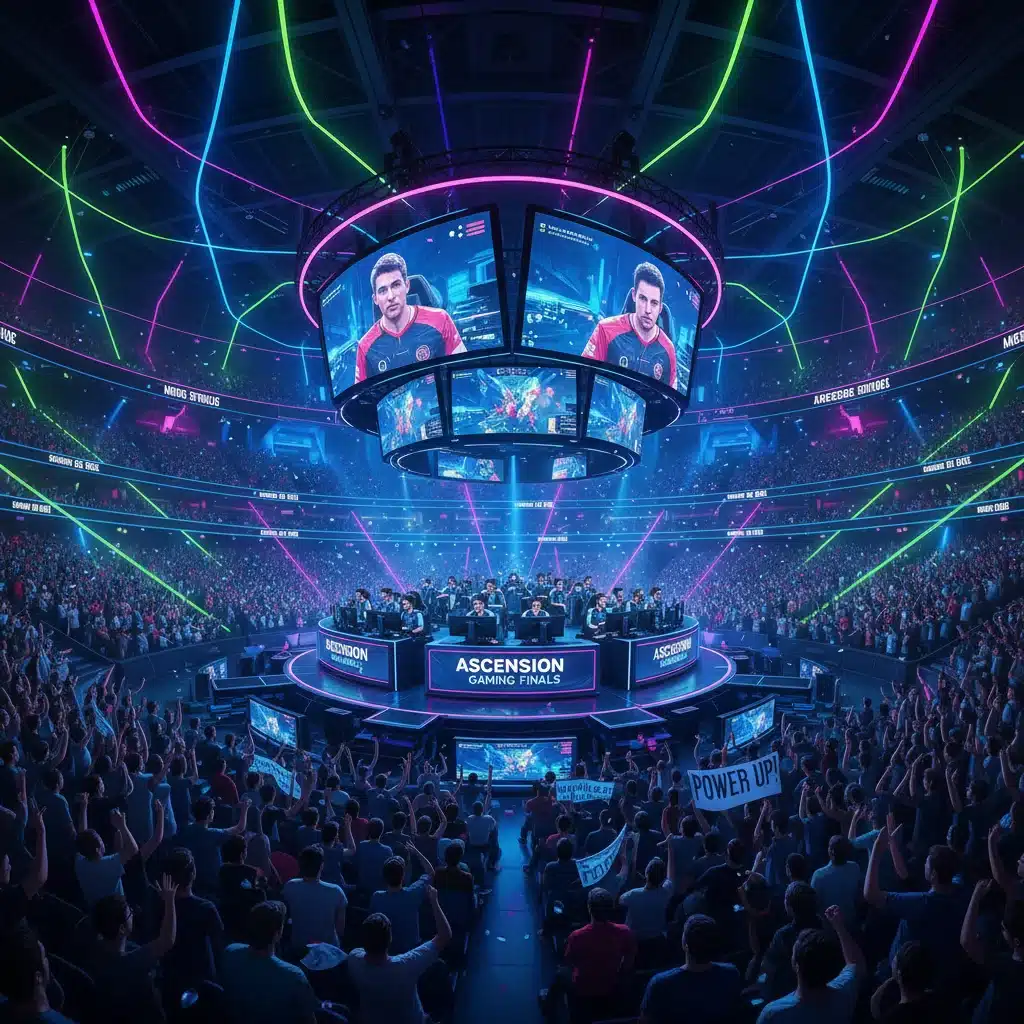
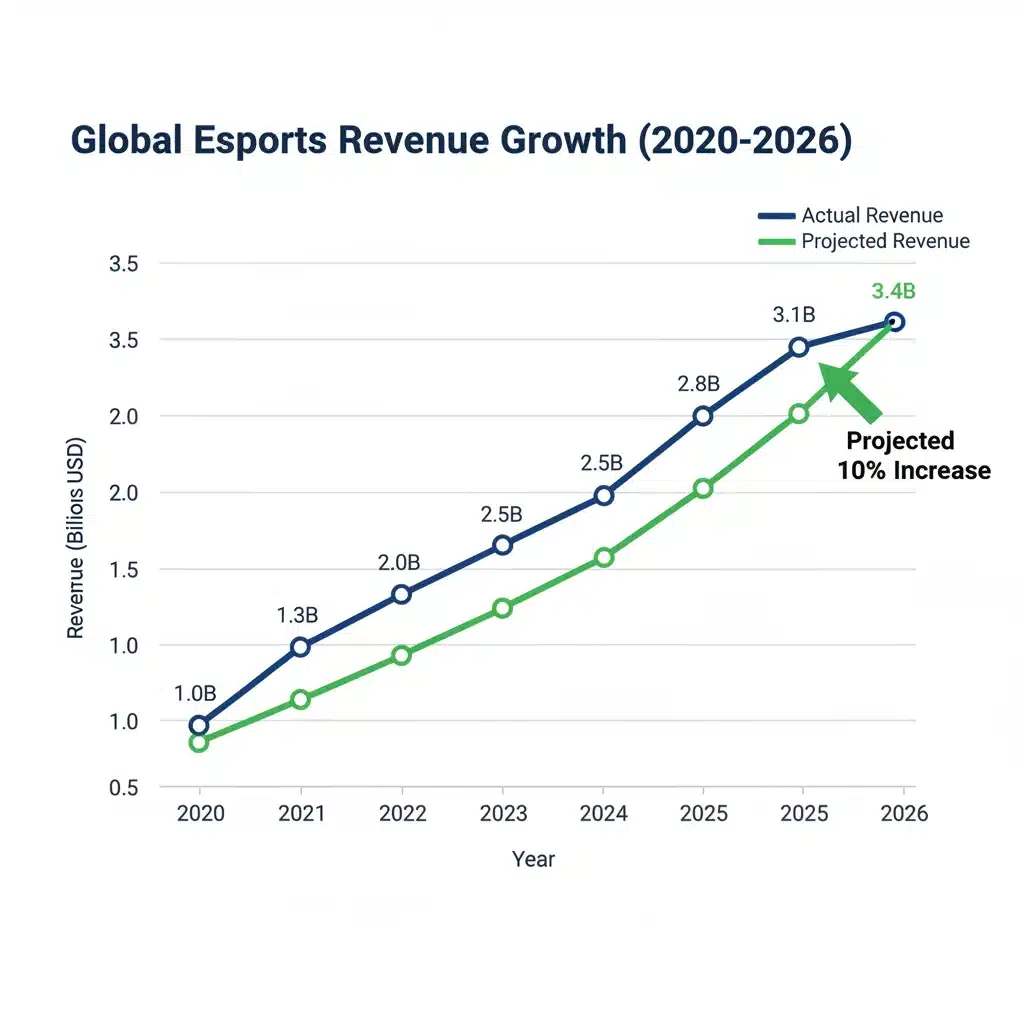
The landscape of competitive gaming, widely known as esports, has undergone a monumental transformation over the past decade. What began as a niche hobby has blossomed into a global phenomenon, captivating millions of viewers and attracting significant investments. In the United States, this evolution is particularly pronounced, with the market poised for substantial expansion. Industry analysts and market researchers are now projecting a robust 10% revenue increase for the US esports market by the end of 2026. This ambitious forecast underscores the dynamic nature and immense potential within this burgeoning sector. Understanding the drivers behind this anticipated growth, the current challenges, and the strategic pathways for future development is crucial for anyone looking to engage with or invest in this exciting industry. The continued ascent of the US Esports Growth is not merely a statistical anomaly but a reflection of deep-seated trends in entertainment consumption, technological advancement, and community building.
The Current State of the US Esports Market
To fully appreciate the projected 10% revenue increase, it’s essential to first grasp the current dimensions and characteristics of the US esports market. The United States stands as oneBURTS of the largest and most influential esports markets globally, characterised by a highly engaged audience, well-established professional leagues, and a thriving ecosystem of content creators, sponsors, and technology providers. Millions of Americans regularly tune in to watch professional gamers compete in titles such as League of Legends, Valorant, Counter-Strike: Global Offensive, Dota 2, and various fighting games. This viewership is not confined to traditional broadcasting; it thrives on platforms like Twitch, YouTube Gaming, and dedicated esports channels, fostering a direct and interactive relationship between fans and players.
The market’s revenue streams are diverse, encompassing media rights, sponsorships, advertising, merchandise sales, ticket sales for live events, and in-game purchases related to esports. Sponsorships, in particular, have been a significant driver, with non-endemic brands increasingly recognising the value of reaching a young, tech-savvy, and highly engaged demographic that is often difficult to capture through traditional advertising channels. Brands from automotive, food and beverage, financial services, and technology sectors are pouring capital into teams, leagues, and individual streamers, cementing esports’ legitimacy as a mainstream marketing platform. The infrastructure supporting the US Esports Growth is also evolving rapidly, with dedicated esports arenas, training facilities, and collegiate programmes becoming more commonplace, further professionalising the industry.
Key Drivers of the Projected 10% Revenue Increase
Several critical factors are converging to fuel the anticipated 10% revenue surge in the US esports market by 2026. These drivers represent a confluence of technological advancements, evolving consumer behaviours, and strategic industry developments.
Increasing Viewership and Fan Engagement
The bedrock of any entertainment industry’s financial success is its audience. Esports continues to demonstrate remarkable growth in viewership, both in terms of unique viewers and total hours watched. This expansion is driven by several factors: the accessibility of streaming platforms, the rise of popular streamers who act as gateways to competitive gaming, and the inherent excitement of high-stakes competition. As more people discover and become invested in esports, the potential for monetisation through advertising, subscriptions, and event attendance naturally expands. The interactive nature of esports, allowing fans to engage directly with players and fellow enthusiasts, fosters a strong sense of community and loyalty, which translates into sustained engagement and willingness to spend.
Diversification of Revenue Streams
While sponsorships and media rights remain dominant, the industry is actively exploring and expanding new revenue avenues. This includes the proliferation of esports betting, which, as it becomes legalised and regulated in more US states, could unlock a substantial new stream of income. Furthermore, innovative fan engagement models, such as NFTs, fan tokens, and premium content subscriptions, are being tested and refined. The growth of grassroots and amateur esports circuits also contributes, as these often feed into the professional ecosystem, broadening the talent pool and fan base. The ability of organisations to creatively package and sell different aspects of the esports experience will be crucial for the sustained US Esports Growth.
Strategic Investments and Infrastructure Development
The past few years have seen a significant influx of capital from traditional sports organisations, venture capitalists, and even celebrities into esports teams and ventures. This investment is not just speculative; it’s driving the development of robust infrastructure, including dedicated training facilities, high-tech broadcasting studios, and purpose-built esports arenas. These investments enhance the professionalisation of the industry, improve the viewer experience, and create new opportunities for revenue generation through events and partnerships. Furthermore, the increasing involvement of universities through collegiate esports programmes is creating a pipeline of talent and an academic framework that lends further credibility and sustainability to the industry.
Technological Advancements and Game Innovation
The continuous evolution of gaming technology, including advancements in graphics, network infrastructure, and game design, plays a pivotal role. New game titles with competitive multiplayer modes constantly emerge, refreshing the esports landscape and attracting new players and viewers. Innovations like cloud gaming and virtual reality (VR) esports, while still nascent, hold the potential to unlock entirely new experiences and revenue models in the future. The underlying technological robustness ensures that the competitive integrity and visual appeal of esports continue to improve, making it more attractive to a broader audience.
Challenges and Opportunities for Sustainable Growth
Despite the optimistic projections for US Esports Growth, the industry is not without its challenges. Addressing these will be vital for ensuring sustainable long-term expansion.
Monetisation Hurdles and Profitability
While revenue is growing, many esports organisations and teams still struggle with consistent profitability. The high operational costs associated with player salaries, infrastructure, and event production can be substantial. Diversifying revenue streams beyond sponsorships and media rights, as mentioned earlier, is key. Furthermore, developing more effective monetisation strategies for the vast free-to-play audience remains an ongoing challenge. The industry needs to find a balance between accessibility for fans and generating sufficient income to support its professional ecosystem.
Player Welfare and Sustainability
The intense competitive environment of professional esports can take a toll on players, leading to issues such as burnout, mental health challenges, and short career spans. Ensuring player welfare through proper support systems, fair contracts, and pathways for post-career transitions is critical for the long-term health and reputation of the industry. Addressing these concerns will not only protect the players but also make esports a more appealing and sustainable career path, attracting top talent.
Regulatory Landscape and Standardisation
As esports matures, the need for clearer regulatory frameworks and standardisation becomes more pressing. This includes issues related to player contracts, intellectual property rights for game developers, integrity in competition (e.g., anti-cheating, anti-doping), and the legalisation of esports betting. A consistent and transparent regulatory environment will foster greater trust among investors, sponsors, and the general public, facilitating smoother operations and further investment in the US Esports Growth narrative.
Competition from Traditional Sports and Other Entertainment
Esports competes for audience attention and advertising dollars with well-established traditional sports and a plethora of other entertainment options. While esports has carved out its own unique space, it must continue to innovate and differentiate itself to maintain its growth trajectory. This involves enhancing the spectator experience, developing compelling narratives around teams and players, and integrating with broader cultural trends to appeal to an even wider audience.
The Role of Content Creation and Influencers
A significant, often underestimated, driver of US Esports Growth is the symbiotic relationship between competitive gaming and content creation. Streamers, YouTubers, and social media influencers play a crucial role in introducing new audiences to esports, cultivating fan bases, and providing accessible entertainment. These personalities often bridge the gap between casual gaming and professional competition, making the latter more relatable and engaging for newcomers. Their ability to generate massive viewership and foster strong communities directly translates into increased visibility for games, teams, and tournaments, thereby attracting more sponsorship and advertising revenue.
The rise of personality-driven content means that individual players often become brands in their own right, capable of drawing substantial audiences regardless of their team’s performance. This creates additional monetisation opportunities through personal sponsorships, merchandise, and direct fan support. The continuous evolution of content formats, from short-form clips on TikTok to in-depth documentaries, ensures that esports content remains fresh and relevant across various platforms, catering to diverse consumption habits. This decentralised, yet highly influential, network of content creators is a unique strength of the esports ecosystem, setting it apart from many traditional entertainment industries.
Impact of Collegiate Esports on Future Growth
Collegiate esports programmes are rapidly gaining traction across the United States, representing a significant long-term investment in the future of US Esports Growth. These programmes offer scholarships, dedicated facilities, and coaching, providing a structured pathway for talented young gamers to pursue their passion while obtaining an education. This institutionalisation of esports brings several benefits:
- Talent Development: Collegiate programmes serve as a vital pipeline for future professional players, coaches, and industry professionals, ensuring a steady supply of skilled individuals.
- Increased Legitimacy: The involvement of educational institutions lends credibility and mainstream acceptance to esports, helping to shed any lingering perceptions of it being merely a recreational activity.
- Audience Expansion: University communities become hubs for esports enthusiasm, introducing competitive gaming to a broader demographic of students, faculty, and alumni.
- Sponsorship Opportunities: Collegiate leagues and teams attract their own set of sponsors, further expanding the overall market’s revenue base.
- Research and Innovation: Universities can become centres for research into esports performance, fan behaviour, and industry economics, providing valuable insights that can drive further growth and optimisation.
The integration of esports into academic life is a powerful indicator of its growing cultural significance and its potential for sustained expansion.
Global Comparisons and US Market Uniqueness
While esports is a global phenomenon, the US market possesses unique characteristics that influence its growth trajectory. Compared to regions like Asia, where esports has deeper cultural roots and government backing in some countries, the US market is largely driven by private investment and grassroots enthusiasm. However, the sheer size of the US economy, its strong technological infrastructure, and a highly developed advertising and media industry provide a robust foundation for growth.
The American sports culture, with its emphasis on professional leagues, celebrity athletes, and large-scale live events, also provides a familiar framework for esports to emulate and integrate. This allows for easier adoption by traditional sports fans and broadcasters. Unlike some other markets, the US benefits from a diverse gaming landscape, with strong followings for a wide variety of game genres, from MOBAs and FPS titles to fighting games and sports simulations. This broad appeal ensures that the US Esports Growth is not overly reliant on any single game title or publisher, fostering a more resilient and adaptable market.
Future Trends Shaping the 10% Revenue Increase
Looking ahead to 2026 and beyond, several emerging trends are likely to play a pivotal role in shaping the projected 10% revenue increase and the long-term trajectory of the US esports market:
Increased Integration with Mainstream Media
Esports content is increasingly finding its way onto traditional television networks and major streaming platforms beyond dedicated gaming channels. Partnerships between esports leagues and traditional media giants will become more common, expanding reach and attracting new demographics. This mainstream integration will legitimise esports further and unlock significant media rights revenues.
Hyper-Personalisation and Fan Experience
Leveraging data analytics and AI, esports organisations will be able to offer increasingly personalised fan experiences, from tailored content recommendations to unique interactive elements during live streams. This will deepen fan engagement and create new opportunities for premium content and subscription models.
Growth of Mobile Esports
While PC and console esports currently dominate, the massive installed base of mobile gamers presents an enormous untapped market. As mobile devices become more powerful and mobile esports titles gain competitive depth, this segment is expected to contribute significantly to overall revenue, particularly by reaching audiences who may not have access to traditional gaming setups.
Web3 and Blockchain Integration
The application of blockchain technology, including NFTs and fan tokens, is still in its early stages but holds promise for creating new forms of digital ownership, enhancing fan engagement, and providing alternative revenue streams. As the technology matures and regulatory clarity emerges, Web3 could play a more significant role in the esports economy.
Esports as a Lifestyle Brand
Beyond competitive play, esports is evolving into a lifestyle brand, influencing fashion, music, and broader youth culture. Merchandise, collaborations with non-gaming brands, and the emergence of esports personalities as cultural icons will further extend the industry’s reach and monetisation potential. This cultural integration will solidify the US Esports Growth as a long-term economic and cultural force.
Conclusion: A Bright Future for US Esports
The projection of a 10% revenue increase for the US esports market by the end of 2026 is a testament to the industry’s resilience, adaptability, and undeniable appeal. Driven by expanding viewership, diversifying revenue streams, strategic investments, and technological innovation, esports in the United States is firmly on an upward trajectory. While challenges related to monetisation, player welfare, and regulation persist, the industry’s proactive approach to addressing these issues, coupled with the growing influence of collegiate programmes and content creators, paints a very optimistic picture. The continued integration with mainstream media, the rise of mobile esports, and the exploration of new technologies like Web3 will further propel this growth, cementing esports’ position as a major player in the global entertainment and sports landscape. For investors, businesses, and fans alike, the journey of US Esports Growth promises to be an exciting and rewarding one, filled with innovation, intense competition, and unparalleled community spirit. The future is not just bright; it’s electrifying for competitive gaming in America.