Diversity in Gaming: 2026 Progress & Challenges
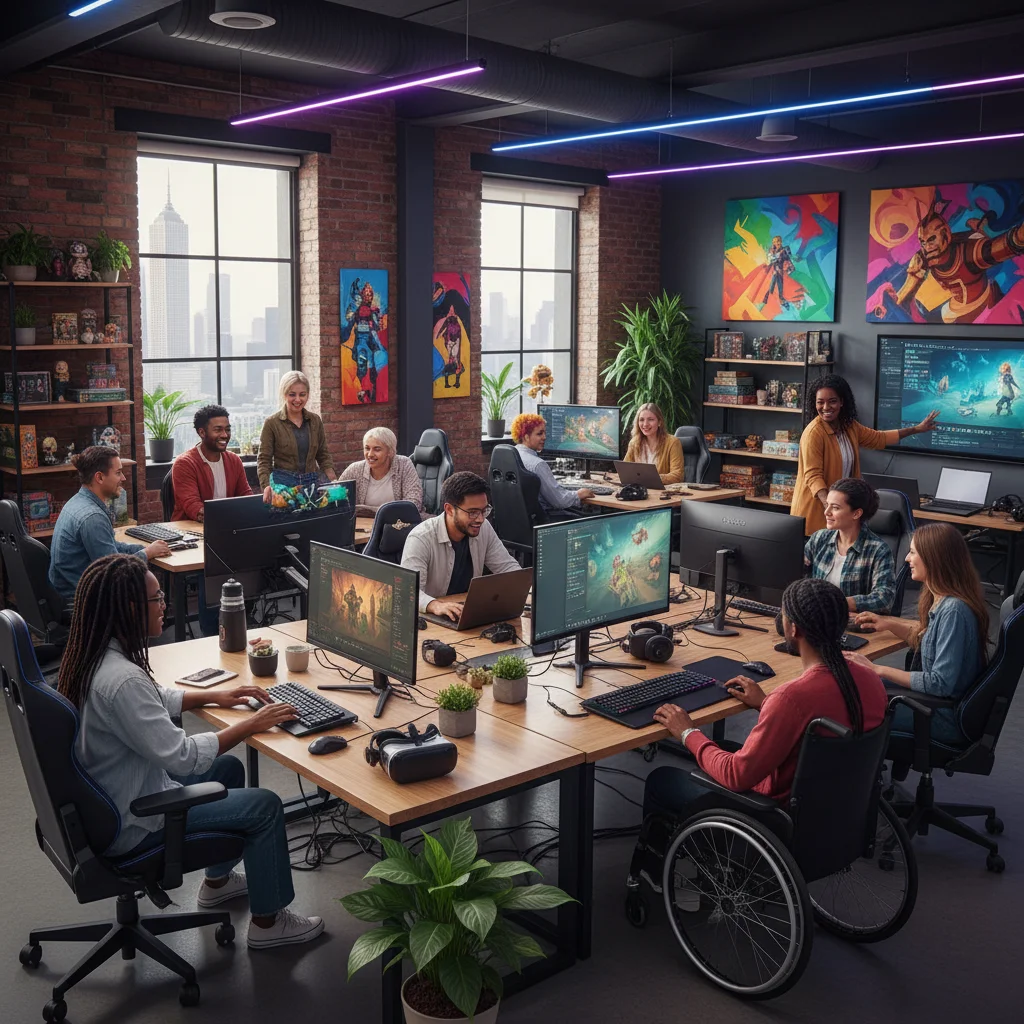
Diversity and Inclusion in the US Gaming Workforce: Tracking 2026 Progress and Remaining Challenges
The United States gaming industry, a powerhouse of innovation and entertainment, has long been under scrutiny for its lack of diversity and inclusion. In recent years, there has been a concerted effort from various stakeholders – developers, publishers, industry associations, and advocacy groups – to address these imbalances. As we approach 2026, it’s crucial to take stock of the progress made, acknowledge the remaining challenges, and reinforce the commitment to fostering a truly equitable and representative workforce. This comprehensive exploration delves into the strides taken in gaming diversity 2026, the hurdles that persist, and the strategies essential for sustained positive change.
The Imperative for Diversity in Gaming
Before diving into the specifics of progress, it’s important to reiterate why diversity and inclusion are not just ethical considerations but business imperatives. A diverse workforce brings a wider range of perspectives, experiences, and creative ideas, leading to more innovative games that resonate with a broader audience. Studies have consistently shown that diverse teams outperform homogeneous ones in terms of problem-solving, creativity, and financial returns. For an industry that thrives on creativity and market reach, neglecting diversity is akin to stifling its own potential. Inclusive environments also foster higher employee satisfaction, lower turnover rates, and a stronger company culture, all of which contribute to long-term success in the competitive gaming landscape.
Setting the Stage: Baseline and 2026 Goals
Understanding the current state of gaming diversity 2026 requires a look back at the baseline. Historically, the US gaming workforce has been predominantly white and male, particularly in leadership and technical roles. Data from various industry reports in the mid-2010s painted a stark picture, with women and people of color significantly underrepresented. In response, many companies and organizations set ambitious goals for increasing representation across various demographics – gender, race, ethnicity, LGBTQ+ identity, disability status, and socio-economic background – often with targets set for the mid-2020s, including 2026.
These goals typically focused on:
- Increasing female representation in technical and leadership roles.
- Boosting the presence of Black, Hispanic/Latinx, Asian, and Indigenous individuals across all departments.
- Creating more inclusive environments for LGBTQ+ employees.
- Improving accessibility for employees with disabilities.
- Ensuring equitable pay and opportunities for career advancement for all groups.
The journey towards these targets has been multifaceted, involving changes in recruitment practices, internal policies, and company culture. The industry recognized that superficial changes wouldn’t suffice; a systemic overhaul was necessary to genuinely move the needle on gaming diversity 2026.
Early Progress and Positive Trends
As we approach 2026, there are encouraging signs of progress. Several industry reports and company disclosures indicate a gradual but perceptible shift in the demographic makeup of the US gaming workforce. For instance, some companies have reported a modest increase in the percentage of women in technical roles and a slight uptick in the representation of people of color in entry-level positions.
Key areas of progress include:
-
Increased Awareness and Dialogue
The conversation around diversity and inclusion is no longer relegated to niche groups. It has become a mainstream topic within the industry, discussed at major conferences, in industry publications, and within company boardrooms. This heightened awareness is a critical first step, as it lays the groundwork for actionable change.
-
Dedicated DEI Initiatives
Many gaming companies have established dedicated Diversity, Equity, and Inclusion (DEI) departments or roles, investing resources in developing and implementing comprehensive strategies. These initiatives often include unconscious bias training, mentorship programs, employee resource groups (ERGs), and diversity quotas for hiring panels.
-
Recruitment Reforms
Efforts to diversify talent pipelines have gained traction. Companies are partnering with educational institutions that serve diverse student populations, attending career fairs at historically Black colleges and universities (HBCUs) and Hispanic-serving institutions (HSIs), and revising job descriptions to be more inclusive and less gender-coded. Blind resume reviews and diverse interview panels are also becoming more common.
-
Data Collection and Transparency
An increasing number of companies are collecting and publicly reporting diversity data, which is essential for tracking progress and holding organizations accountable. This transparency allows the industry to identify areas where more effort is needed and to celebrate successes.
-
Shifting Company Cultures
Beyond hiring numbers, there’s a growing emphasis on creating inclusive workplace cultures where all employees feel valued, respected, and empowered to contribute. This involves addressing issues like workplace harassment, microaggressions, and creating pathways for career advancement for underrepresented groups.
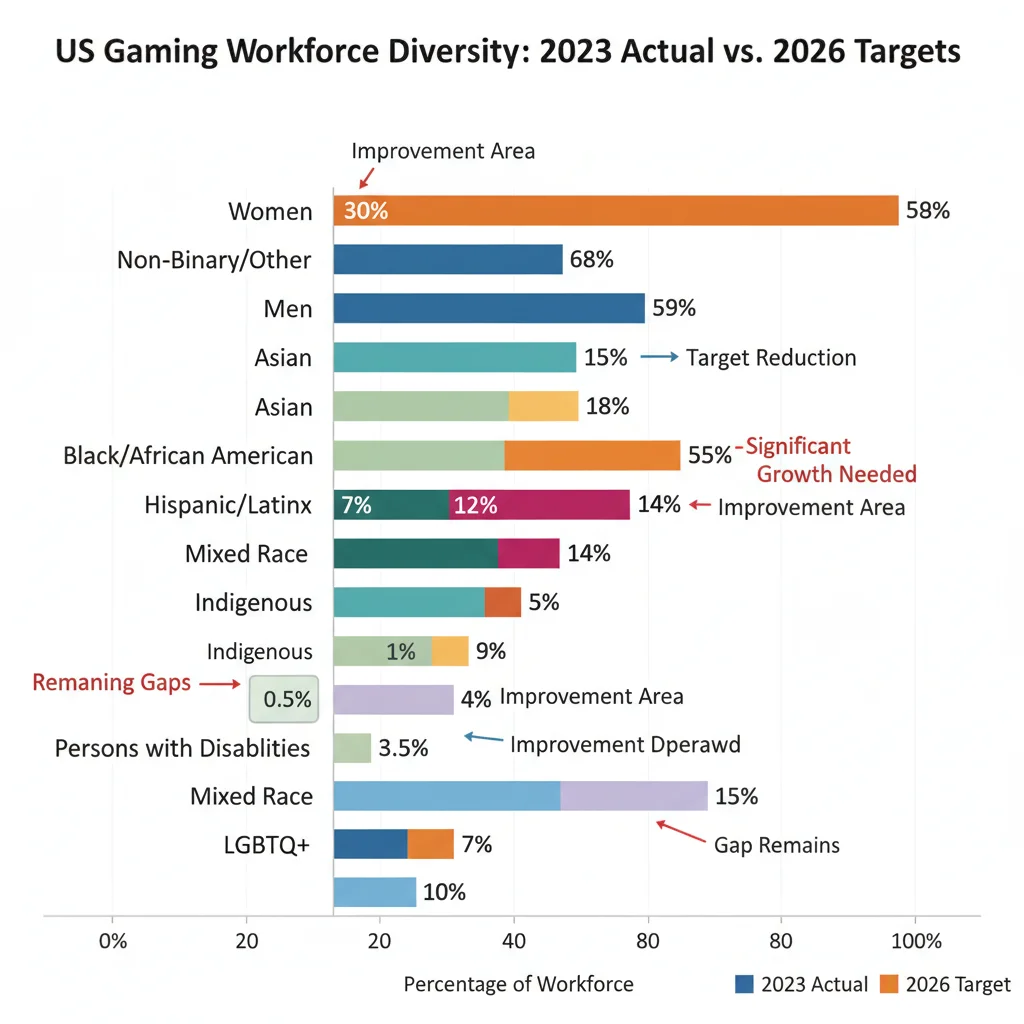
Remaining Challenges on the Path to Gaming Diversity 2026
Despite the encouraging developments, the journey towards true gaming diversity 2026 is far from complete. Significant challenges persist, requiring continued vigilance and innovative solutions. The pace of change, while present, is often slower than desired, and some demographic groups continue to face systemic barriers.
Persistent Underrepresentation in Leadership
While entry-level diversity has seen some improvements, leadership roles remain largely homogenous. The "broken rung" phenomenon, where women and underrepresented minorities face greater hurdles in advancing from entry to management levels, is still prevalent. This lack of diversity at the top can perpetuate existing biases, hinder inclusive decision-making, and limit the creation of diverse games.
Retention and "Leaky Pipeline" Issues
Hiring diverse talent is only half the battle; retaining it is equally crucial. Many companies struggle with a "leaky pipeline," where diverse employees leave the industry or specific companies due to non-inclusive work environments, lack of career progression, or experiences of discrimination and harassment. This issue is particularly acute for women and people of color, who often report feeling marginalized or unsupported.
Intersectionality and Specific Demographic Gaps
General diversity metrics can sometimes mask specific disparities. For example, while overall female representation might improve, women of color, especially Black and Indigenous women, often face compounded challenges due to intersectional biases. Similarly, individuals with disabilities and LGBTQ+ individuals may encounter unique barriers that are not adequately addressed by broad diversity initiatives. The focus on gaming diversity 2026 must be granular enough to pinpoint and address these specific gaps.
Combatting "Diversity Washing" and Tokenism
As diversity becomes a buzzword, there’s a risk of "diversity washing" – where companies make performative gestures without enacting meaningful, systemic change. Tokenism, where a single diverse individual is hired to meet a quota without genuine integration or support, also undermines true inclusion. These practices can be detrimental, leading to disillusionment among diverse employees and eroding trust.
Addressing Workplace Culture and Microaggressions
Even with diverse teams, an unaddressed culture of microaggressions, implicit bias, or lack of psychological safety can severely impact the daily experience of underrepresented employees. Creating genuinely inclusive cultures requires ongoing education, active listening, and robust mechanisms for reporting and addressing discriminatory behaviors. This cultural transformation is often the hardest, yet most critical, aspect of achieving gaming diversity 2026.
The Challenge of Data Gaps
While more companies are reporting diversity data, comprehensive, standardized, and publicly accessible data across the entire US gaming industry is still lacking. This makes it difficult to get a complete picture of progress, identify widespread patterns, and hold the industry collectively accountable for its 2026 goals.
Strategies for Accelerated Progress Towards Gaming Diversity 2026
To overcome these challenges and ensure that the industry truly embodies its 2026 diversity aspirations, a multi-pronged approach is necessary. These strategies must be integrated into every aspect of a company’s operations, from recruitment to product development.
1. Leadership Commitment and Accountability
Diversity and inclusion must be championed from the top. CEOs and senior leaders need to visibly and consistently commit to DEI initiatives, allocate sufficient resources, and tie diversity metrics to leadership performance reviews. This sends a clear message throughout the organization about the importance of gaming diversity 2026.
2. Systemic Recruitment and Hiring Reforms
- Expand Talent Pools: Actively recruit from a wider range of sources, including diverse professional networks, community organizations, and educational institutions beyond traditional pipelines.
- Bias Mitigation in Hiring: Implement blind resume reviews, structured interviews with standardized questions, and diverse interview panels to reduce unconscious bias.
- Clear, Inclusive Job Descriptions: Use gender-neutral language and focus on essential skills rather than subjective traits.
3. Fostering an Inclusive Culture
- Comprehensive DEI Training: Move beyond basic unconscious bias training to include modules on active bystander intervention, microaggressions, and cultural competency for all employees, especially managers.
- Strong Employee Resource Groups (ERGs): Support and empower ERGs to provide community, mentorship, and a voice for underrepresented groups. Ensure ERGs have executive sponsorship and resources.
- Psychological Safety: Create an environment where employees feel safe to voice concerns, offer differing opinions, and report incidents without fear of retaliation.
- Flexible Work Arrangements: Offer flexible hours, remote work options, and robust parental leave policies to support employees with diverse needs and responsibilities.
4. Mentorship, Sponsorship, and Career Development
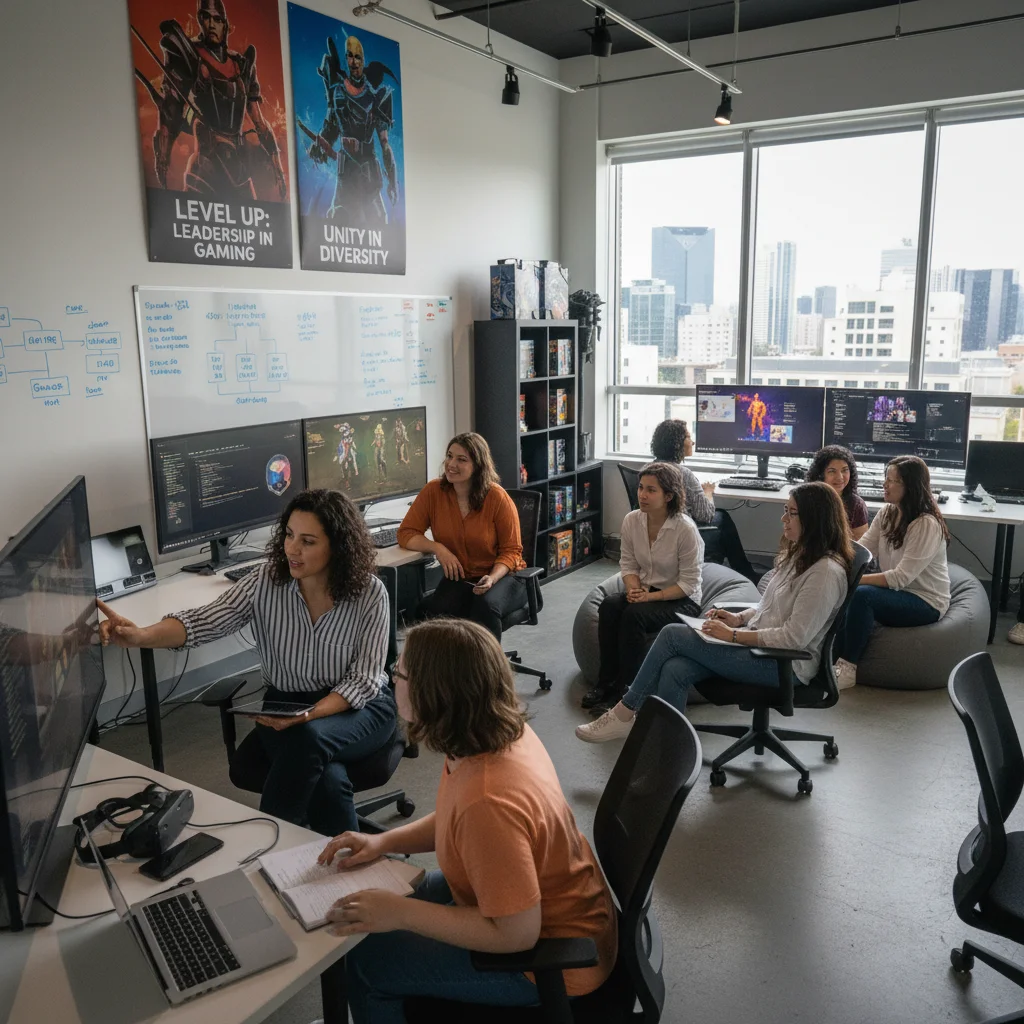
Implement formal mentorship and sponsorship programs specifically designed to support the career progression of underrepresented employees. Sponsorship, in particular, is vital, as it involves senior leaders actively advocating for and promoting diverse talent. Provide equitable access to training, development opportunities, and high-visibility projects.
5. Pay Equity and Transparency
Conduct regular pay equity audits to identify and rectify gender and race-based pay gaps. Be transparent about salary ranges and promotion criteria to build trust and ensure fairness. Addressing pay disparities is a fundamental component of achieving true equity and is central to the goals for gaming diversity 2026.
6. Accessible Workplaces and Products
Ensure that physical and digital workspaces are accessible for employees with disabilities. Extend this commitment to game development, striving to create games that are accessible to a wider player base through features like adjustable difficulty, customizable controls, and robust captioning options. This not only broadens market reach but also reflects an inclusive mindset.
7. Measuring, Reporting, and Iterating
Continuously collect detailed diversity data, analyze trends, and publicly report progress against 2026 goals. Use this data to identify what’s working and what isn’t, and be prepared to iterate on DEI strategies. Feedback mechanisms, such as anonymous surveys and exit interviews, are crucial for understanding employee experiences and making necessary adjustments.
8. Industry-Wide Collaboration and Best Practice Sharing
The gaming industry is interconnected. Companies should collaborate through industry associations, conferences, and open forums to share best practices, resources, and lessons learned. Collective action can accelerate progress and create a more uniformly inclusive industry. Organizations like the IGDA (International Game Developers Association) and Women in Games are doing vital work in this area, fostering communities and advocating for change.
The Economic and Creative Benefits of Gaming Diversity 2026
Beyond the moral imperative, the business case for diversity and inclusion in gaming is undeniable. A diverse workforce is better equipped to understand and cater to the diverse global audience of gamers. Games developed by diverse teams are more likely to feature authentic representation, avoid harmful stereotypes, and offer varied gameplay experiences that appeal to a broader demographic. This directly translates to increased market share, stronger brand loyalty, and ultimately, greater financial success.
Moreover, the influx of diverse talent can spark new genres, innovative mechanics, and fresh narrative approaches, preventing creative stagnation. As the industry looks towards the future, with new technologies like AI and VR shaping the landscape, a diverse workforce will be crucial for navigating these changes creatively and responsibly.
Conclusion: A Continuous Journey Beyond 2026
The pursuit of gaming diversity 2026 is not a destination but an ongoing journey. While significant strides have been made in raising awareness, implementing dedicated initiatives, and making initial changes to recruitment practices, substantial challenges remain. The industry must continue to address underrepresentation in leadership, improve retention rates, tackle intersectional biases, and foster truly inclusive cultures that go beyond tokenism.
Achieving a truly diverse and inclusive US gaming workforce by 2026 and beyond requires unwavering leadership commitment, systemic reforms in hiring and promotion, continuous cultural transformation, and robust accountability mechanisms. By embracing these principles, the gaming industry can not only fulfill its ethical responsibilities but also unlock unprecedented levels of creativity, innovation, and economic success, creating games that truly reflect and enrich the diverse world we live in.