VR Gaming Adoption US: 2026 Mid-Year Review
The landscape of interactive entertainment is in a constant state of flux, ever-evolving with technological advancements and shifting consumer preferences. Among these transformative forces, Virtual Reality (VR) gaming stands out as a particularly compelling and rapidly developing sector. As we reach the mid-point of 2026, it’s an opportune moment to conduct a comprehensive review of VR gaming adoption in the United States, examining the trajectory of hardware sales, the burgeoning ecosystem of content, and the underlying factors driving its growth or presenting challenges. This analysis aims to provide a clear picture of where VR gaming stands today and what the immediate future holds.
For years, Virtual Reality was a concept relegated to science fiction, a futuristic dream of immersive digital worlds. Today, that dream is increasingly becoming a tangible reality, particularly within the gaming industry. The promise of stepping inside a game, rather than merely playing it, has captivated imaginations and spurred significant investment from tech giants and indie developers alike. However, the path to mainstream VR gaming adoption has not been without its hurdles. High costs, technical complexities, and a nascent content library initially limited its reach. Yet, persistent innovation, coupled with a growing understanding of user experience, has steadily chipped away at these barriers.
Our mid-year 2026 review reveals a dynamic market, characterized by intense competition among hardware manufacturers, a proliferation of diverse gaming experiences, and a user base that is both passionate and increasingly discerning. Understanding the nuances of this market is crucial for developers, investors, and enthusiasts alike. We will delve into the specifics of hardware sales figures, analyze the types of content gaining traction, and discuss the technological and economic factors influencing the pace of VR gaming adoption across different demographics in the US.
This article will explore the key metrics and qualitative insights that define the current state of VR gaming. From the evolution of standalone headsets to the integration of haptics and eye-tracking, the technological frontier is constantly expanding. Simultaneously, content creators are pushing the boundaries of what is possible within virtual environments, crafting narratives and gameplay mechanics that are uniquely suited to the VR medium. By dissecting these elements, we can build a holistic understanding of the current momentum and future potential of VR gaming adoption in the United States.
The State of VR Hardware Sales: A 2026 Mid-Year Snapshot
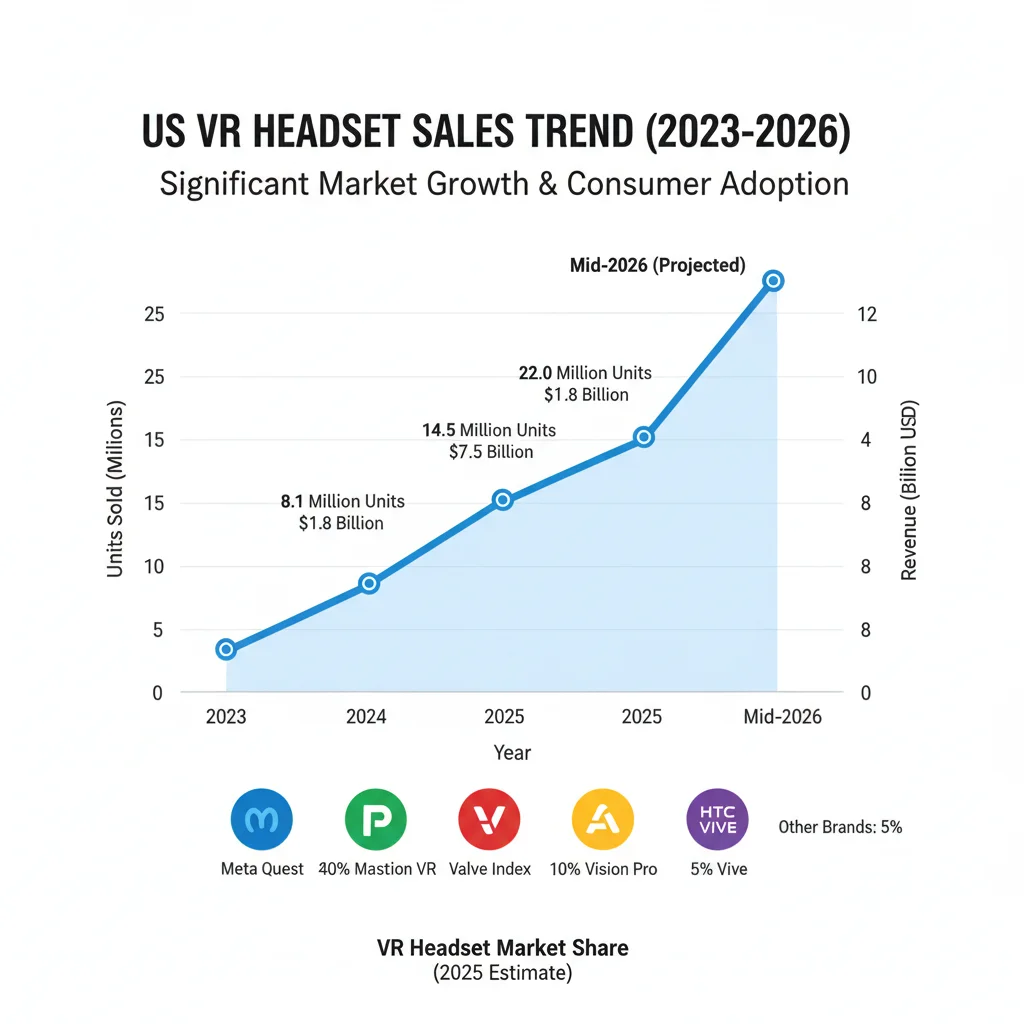
The backbone of VR gaming adoption is undoubtedly the hardware that enables these immersive experiences. As of mid-2026, the US market for VR headsets presents a fascinating picture of innovation, diversification, and strategic positioning. The initial years of VR were dominated by PC-tethered headsets, which offered unparalleled graphical fidelity but came with high costs and complex setup requirements. While these high-end devices still cater to a dedicated enthusiast segment, the narrative has dramatically shifted towards standalone VR headsets.
Standalone headsets, exemplified by Meta’s Quest series, have been the primary catalyst for expanding VR gaming adoption. Their wireless freedom, ease of use, and increasingly powerful onboard processing capabilities have made them far more accessible to a broader consumer base. Our analysis of mid-2026 sales data indicates that standalone units continue to lead the market by a significant margin. This dominance is attributed to several factors: lower entry prices compared to their PC-tethered counterparts, reduced friction in setup and play, and a growing library of games optimized for their hardware.
However, the market isn’t monolithic. PC-tethered VR still holds its ground, particularly with the introduction of new high-resolution displays, wider fields of view, and more sophisticated tracking systems from companies like Valve and HTC. These devices appeal to hardcore gamers and simulation enthusiasts who prioritize graphical fidelity and advanced performance above all else. The integration of eye-tracking, foveated rendering, and more precise haptic feedback in newer models is further solidifying their niche.
A new contender emerging in 2026 is the mixed reality (MR) headset market, which blurs the lines between virtual and augmented reality. Devices offering pass-through video capabilities are starting to gain traction, allowing users to seamlessly transition between fully immersive VR and augmented reality experiences that overlay digital content onto the real world. While still in its nascent stages for gaming, the potential for MR to expand VR gaming adoption by offering more versatile use cases is significant and warrants close observation.
In terms of specific manufacturers, Meta continues to be a dominant force, leveraging its established ecosystem and aggressive pricing strategies. However, competition is intensifying. Sony’s PlayStation VR2 has seen strong sales among PlayStation 5 owners, demonstrating the power of a dedicated console ecosystem. Furthermore, several new players, including some traditional tech giants, have entered the fray with their own standalone or hybrid VR/MR devices, aiming to carve out a share of this expanding market. This increased competition is beneficial for consumers, driving down prices and accelerating innovation, which in turn fuels further VR gaming adoption.
Supply chain challenges, which plagued the electronics industry in previous years, have largely stabilized by mid-2026, ensuring a more consistent availability of headsets. This stability, coupled with ongoing technological refinements and strategic marketing efforts, paints a positive outlook for continued growth in VR hardware sales through the latter half of the year and into 2027. The declining average selling price of entry-level headsets also plays a crucial role in making VR more accessible to a broader demographic, directly impacting the rate of VR gaming adoption.
Content Growth and Evolution: Fueling Immersion
While cutting-edge hardware provides the gateway, it is the quality and diversity of content that truly drives sustained VR gaming adoption. A VR headset, no matter how advanced, is merely a paperweight without compelling experiences to justify its purchase. Fortunately, the content ecosystem for VR gaming has matured significantly by mid-2026, moving beyond experimental demos and short experiences to deliver full-fledged, engaging titles.
The early days of VR content were often characterized by experiences that felt more like tech demos than complete games. Developers were still grappling with the unique challenges and opportunities presented by the medium. However, over the past few years, there has been a noticeable shift. Major studios and independent developers alike are now creating games specifically designed for VR, leveraging its strengths such as presence, scale, and intuitive motion controls. This focus on native VR experiences, rather than simply porting flat-screen games, has been critical for improving user satisfaction and driving VR gaming adoption.
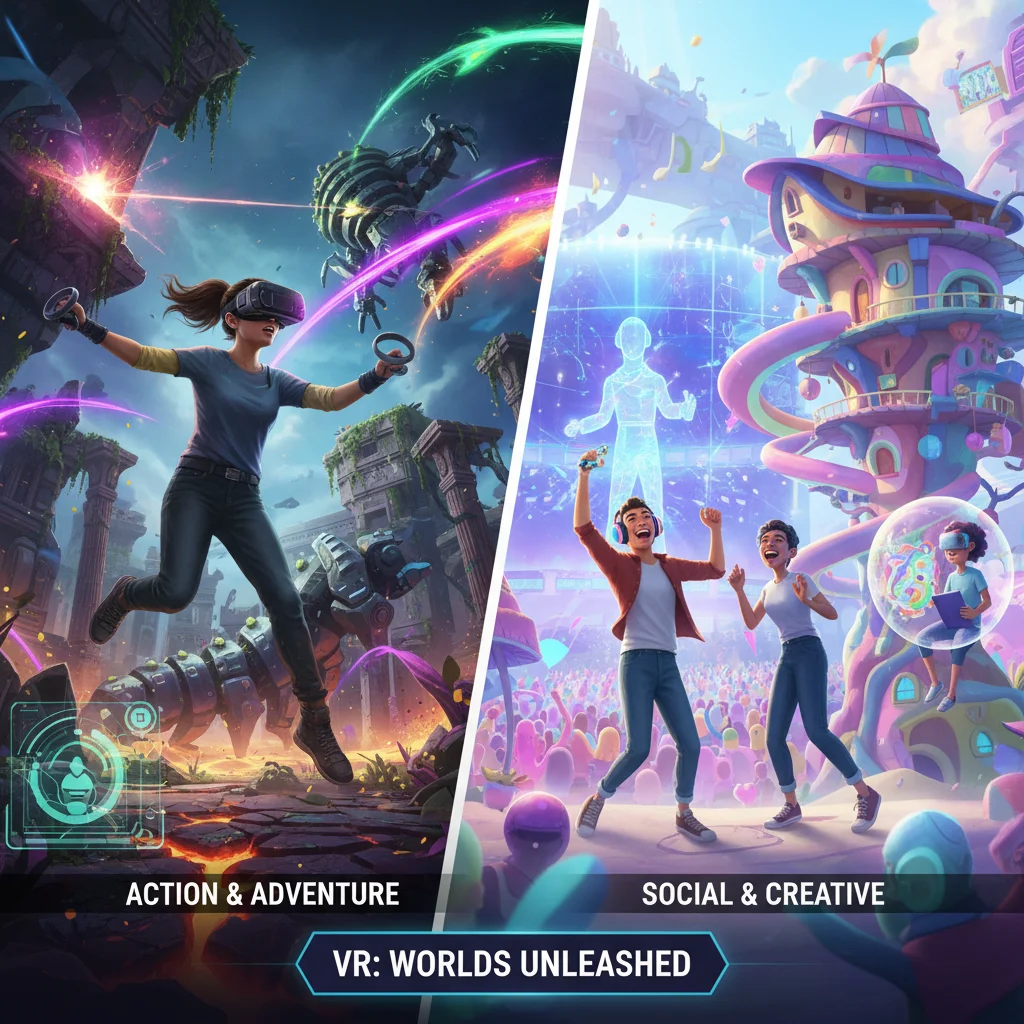
A significant trend observed in 2026 is the expansion of genres available in VR. While action, horror, and puzzle games remain popular due to their inherent suitability for immersion, we are seeing a strong uptake in other categories. Social VR platforms have grown tremendously, offering virtual spaces for friends to gather, play mini-games, and attend events. Fitness-oriented VR games are also experiencing a boom, providing engaging and effective ways to exercise within virtual environments. Even traditionally less immersive genres like strategy and RPGs are finding innovative ways to translate into VR, often utilizing unique UI/UX designs that capitalize on the 3D space.
The role of exclusive titles cannot be overstated in driving VR gaming adoption for specific platforms. Just as console exclusives historically fueled hardware sales, compelling VR exclusives from companies like Meta and Sony are proving to be powerful incentives for consumers to choose a particular ecosystem. These flagship titles often showcase the full potential of the hardware, setting a high bar for graphical fidelity, gameplay innovation, and immersive storytelling.
Furthermore, the independent development scene continues to be a vibrant source of creativity and innovation. Indie developers, often unburdened by the constraints of large studios, are experimenting with novel gameplay mechanics and artistic styles that push the boundaries of VR. Many of these smaller titles achieve critical acclaim and cult followings, further enriching the overall content library and offering unique reasons for VR gaming adoption.
Monetization strategies for VR content are also evolving. While premium upfront purchases remain common, subscription services tailored for VR games are gaining traction, offering access to a rotating library of titles for a monthly fee. This model can lower the barrier to entry for consumers, allowing them to sample a wider range of games without significant individual purchases, thus encouraging broader VR gaming adoption. Additionally, in-app purchases and microtransactions, while sometimes controversial, are becoming more sophisticated and integrated into VR experiences, providing additional revenue streams for developers.
The increasing availability of VR esports and competitive gaming events also points to a maturing content landscape. As games become more complex and skill-based, organized competitive play is emerging, attracting dedicated communities and showcasing VR’s potential as a serious gaming platform. This cultural shift, alongside the sheer volume and quality of new releases, confirms that the content ecosystem is robust and actively contributing to the accelerated pace of VR gaming adoption in the US.
Key Drivers and Challenges for VR Gaming Adoption
Understanding the current state of VR gaming adoption requires an examination of the forces propelling it forward and the obstacles that continue to hinder its widespread embrace. By mid-2026, several key drivers have become prominent, alongside persistent challenges that the industry is actively working to address.
Drivers of Adoption:
- Accessibility and Affordability: The most significant driver has been the continuous reduction in the entry cost of VR hardware, particularly standalone headsets. As manufacturing scales and technology becomes more efficient, prices have fallen, making VR a more attainable purchase for the average consumer. The ease of setup and use of these devices also removes a major barrier that existed with earlier, more complex systems.
- Content Quality and Quantity: As discussed, the sheer volume and improved quality of VR games are crucial. The presence of ‘killer apps’ – games that are so compelling they justify the purchase of a headset – has been instrumental. From immersive narrative adventures to competitive multiplayer experiences, the content library is now rich enough to appeal to diverse gaming tastes, directly fueling VR gaming adoption.
- Technological Advancements: Continuous innovation in display technology (higher resolution, wider field of view), tracking accuracy, haptic feedback, and processing power enhances the immersion and reduces motion sickness, making the experience more comfortable and engaging for users. Wireless capabilities and improved battery life also contribute significantly to user satisfaction.
- Brand Recognition and Marketing: Major tech companies investing heavily in VR, such as Meta and Sony, have brought significant marketing muscle to the industry. Their campaigns have raised general awareness and educated consumers about the potential of VR, shifting it from a niche product to a more mainstream entertainment option.
- Social VR and Metaverse Concepts: The growing interest in social VR experiences and the broader concept of the metaverse has introduced a new dimension to VR gaming adoption. Users are not just looking for games but for virtual spaces to connect, socialize, and express themselves. This expands the utility of VR headsets beyond traditional gaming.
Challenges to Adoption:
- Cost of Entry (Still a Factor): While prices have come down, VR headsets still represent a significant investment for many households, especially compared to traditional gaming consoles or mobile gaming. The overall cost, including accessories and a robust game library, can still be a deterrent.
- Hardware Comfort and Ergonomics: Despite improvements, VR headsets can still be bulky, heavy, and cause discomfort during extended play sessions. Eye strain, pressure marks, and hair issues remain concerns for some users, impacting long-term VR gaming adoption.
- Motion Sickness (Cybersickness): While vastly improved with higher refresh rates and better tracking, motion sickness remains a challenge for a segment of the population. This physiological reaction can prevent some individuals from fully enjoying VR, limiting its potential reach.
- Limited Social Integration: Despite the rise of social VR, the solitary nature of wearing a headset can be a barrier for some who prefer shared, in-person gaming experiences. Integrating VR more seamlessly into living room environments for group play is an ongoing challenge.
- Storage and Installation: VR games, especially high-fidelity ones, often require significant storage space. Managing downloads, updates, and ensuring sufficient internal storage on standalone devices can be a minor but persistent annoyance for users, affecting the overall experience of VR gaming adoption.
- Fragmented Ecosystem: While competition drives innovation, the existence of multiple, often incompatible, VR platforms (e.g., Meta Quest, PlayStation VR2, SteamVR) can create confusion for consumers and limit access to certain titles based on hardware choice.
Addressing these challenges is critical for the continued acceleration of VR gaming adoption. The industry is actively working on solutions, from ergonomic redesigns and advanced haptics to more robust content libraries and cross-platform compatibility initiatives. The balance between innovation and user-friendliness will dictate the pace at which VR transcends its niche and truly becomes a mainstream entertainment staple.
Demographic Shifts and User Engagement
The demographic profile of VR gamers in the US is becoming increasingly diverse, moving beyond the early adopter tech enthusiasts. This broadening appeal is a crucial indicator of successful VR gaming adoption. Mid-2026 data suggests a notable expansion across age groups and even a more balanced gender distribution compared to previous years.
Initially, VR was predominantly embraced by younger, male gamers with higher disposable incomes. While this segment still forms a significant portion of the user base, there’s a clear trend of older demographics and female gamers showing increased interest. This shift can be attributed to several factors: the rise of more accessible and comfortable standalone headsets, the proliferation of diverse content that caters to a wider range of interests (e.g., fitness, social experiences, educational content), and the general mainstreaming of VR through media exposure and word-of-mouth.
Family VR gaming adoption is also on the rise. Parents are increasingly purchasing VR headsets for their children, recognizing the educational and interactive benefits, while also engaging in VR experiences themselves. This multi-generational appeal is vital for long-term market growth, transforming VR from a solitary pursuit into a shared family entertainment option.
User engagement metrics are also looking strong. Time spent in VR applications, frequency of use, and repeat purchases of VR content are all showing positive trends. This indicates that users are not just trying VR once but are integrating it into their regular entertainment routines. The strong community aspects of many VR games and social platforms also contribute to sustained engagement, fostering loyalty and encouraging new users to join.
Furthermore, the crossover appeal of VR with other forms of entertainment is driving new user segments. For instance, fans of specific movie franchises or music artists are drawn to VR experiences that extend their beloved universes. Live concerts and immersive storytelling events within VR are attracting audiences who might not identify as traditional gamers but are seeking unique digital experiences. This expansion of use cases beyond pure gaming is a powerful engine for broader VR gaming adoption.
Geographically, VR gaming adoption in the US remains highest in urban and suburban areas with better internet infrastructure and higher tech literacy. However, as standalone headsets become more prevalent and less reliant on high-end PCs, their reach is expanding into more rural areas. This democratisation of access is a positive sign for the industry’s long-term health and its ability to capture a truly national audience.
Understanding these demographic shifts and engagement patterns is crucial for developers and marketers. Tailoring content, marketing messages, and hardware designs to appeal to this expanding and diversifying user base will be key to unlocking the next phase of rapid VR gaming adoption in the United States.
The Road Ahead: Projections and Future Trends
Looking beyond mid-2026, the trajectory for VR gaming adoption in the US appears robust, albeit with continued evolution and adaptation. Several key trends are expected to shape the market in the coming years, influencing both hardware and content development.
One of the most anticipated developments is the continued convergence of VR and AR into true mixed reality experiences. Future headsets are expected to seamlessly blend digital and physical worlds, offering unparalleled versatility. Imagine playing a VR game in your living room, where virtual characters interact with your real furniture, or collaborating with colleagues in a virtual meeting space while still being aware of your physical surroundings. This will significantly broaden the appeal and utility of these devices, moving them beyond pure gaming into productivity, education, and social interaction, thus accelerating VR gaming adoption across multiple sectors.
Technological improvements will persist. We can expect lighter, more comfortable headsets with higher resolution displays, wider fields of view, and improved battery life. Advanced haptics, offering more realistic tactile feedback, will become standard, enhancing immersion. Eye-tracking and foveated rendering will become more sophisticated, allowing for more efficient use of processing power and even more realistic graphics. Brain-computer interfaces (BCI), while still in early stages, also hold futuristic promise for intuitive control and even deeper immersion, potentially redefining what VR gaming adoption means.
On the content front, artificial intelligence (AI) will play an increasingly vital role. AI-powered NPCs (non-player characters) will become more intelligent and reactive, leading to more dynamic and believable virtual worlds. Generative AI tools will assist developers in creating vast and detailed environments more efficiently, speeding up content creation and enriching the overall VR gaming library. Personalized experiences, adapting to individual player styles and preferences, will also become more prevalent.
The metaverse concept, while still somewhat abstract, will continue to influence VR gaming adoption. As interoperable virtual spaces gain traction, users will expect their digital identities and assets to transfer seamlessly between different games and platforms. This will necessitate greater collaboration among tech companies and the establishment of industry standards, ultimately benefiting consumers through a more connected and expansive virtual ecosystem.
Cloud VR gaming is another area poised for significant growth. As internet speeds improve and cloud computing infrastructure becomes more robust, the ability to stream high-fidelity VR games without the need for powerful local hardware will lower the cost of entry and expand VR gaming adoption to a wider audience. This could democratize access to premium VR experiences, making them available on more affordable, thin-client headsets.
Finally, the integration of VR into broader entertainment and media ecosystems will continue. We’ll see more VR tie-ins with major film releases, interactive virtual concerts, and immersive storytelling experiences that blend gaming with narrative art. This cross-pollination will introduce VR to new audiences and solidify its position as a multifaceted entertainment medium, ensuring continued momentum for VR gaming adoption.
However, regulatory challenges, particularly concerning data privacy, digital ownership, and online safety within virtual environments, will also need to be addressed. As VR becomes more pervasive, establishing clear guidelines and ethical frameworks will be crucial for fostering trust and ensuring sustainable growth. The industry’s ability to navigate these complexities will be key to unlocking VR’s full potential.
Conclusion: A Promising Horizon for VR Gaming
As our mid-year 2026 review concludes, it is evident that VR gaming adoption in the United States is on a strong and accelerating growth trajectory. The market has moved beyond its nascent stages, propelled by significant advancements in hardware, a rapidly expanding and diversifying content library, and a growing understanding of consumer needs and preferences. Standalone headsets have played a pivotal role in democratizing access, while continuous innovation in PC-tethered and emerging mixed reality devices continues to push the boundaries of immersion.
The challenges, though still present, are being actively addressed by an industry committed to overcoming hurdles such as cost, comfort, and potential motion sickness. The increasing diversity of the user base, encompassing various age groups, genders, and interests, underscores the mainstreaming of VR as a legitimate and highly engaging form of entertainment. User engagement metrics confirm that VR is not just a passing fad but a deeply immersive and repeatable experience for a growing number of Americans.
Looking ahead, the future of VR gaming adoption is bright, characterized by the promise of true mixed reality experiences, the transformative power of AI in content creation, and the increasing integration of VR into broader social and entertainment ecosystems. While regulatory and ethical considerations will require careful navigation, the technological momentum and creative energy within the VR industry suggest a future where virtual worlds are an integral part of our daily lives.
For developers, now is the time to innovate and specialize. For consumers, the ever-improving hardware and content mean more compelling reasons than ever to step into virtual worlds. And for investors, the sustained growth and expanding market indicate a robust and promising sector. The journey of VR gaming adoption is far from over, but mid-2026 marks a significant milestone in its evolution towards becoming a truly ubiquitous form of entertainment in the US.