Esports US Market 2026: Growth, Forecasts & League Impact
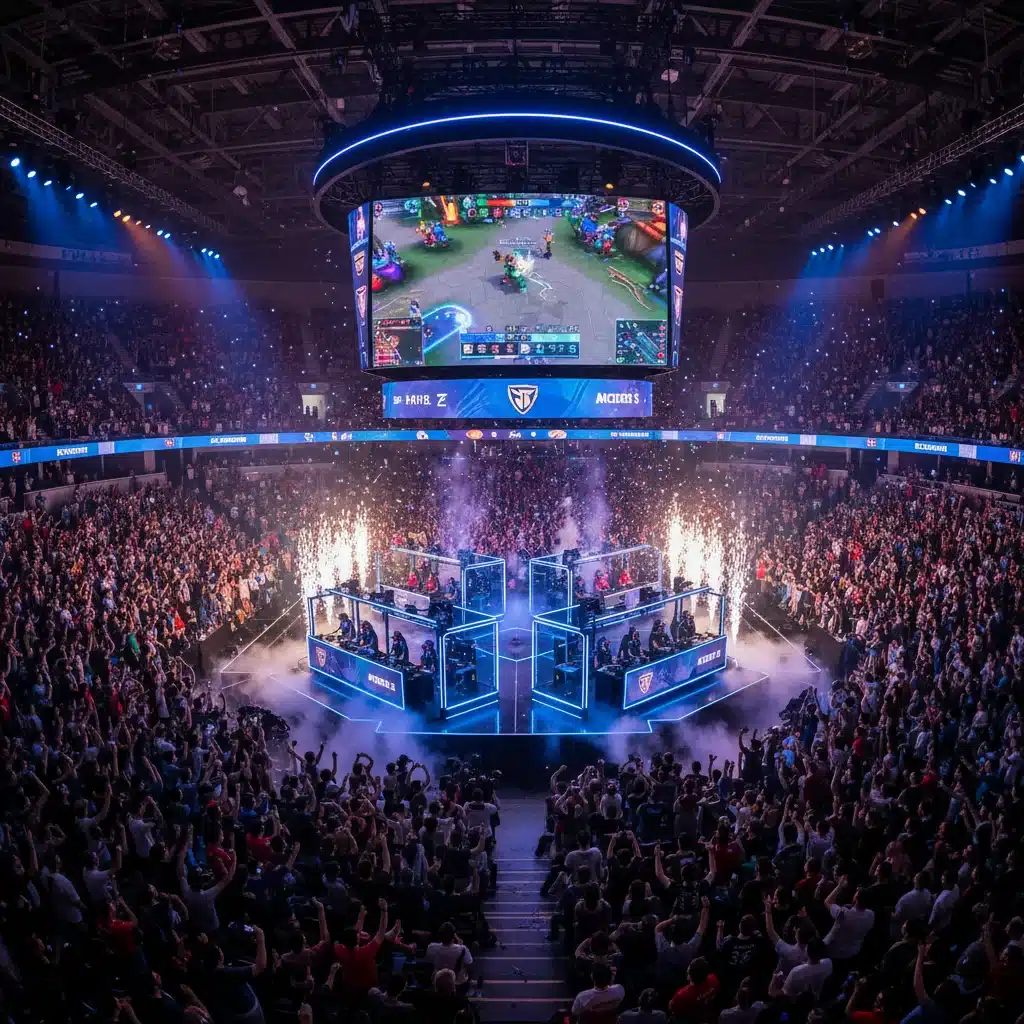
The Ascendant Arena: A 2026 Forecast for the Esports US Market and the Impact of League Expansions
The digital coliseum is expanding, and its roar is growing louder. Esports, once a niche interest, has firmly cemented its place as a mainstream entertainment phenomenon, particularly within the United States. As we cast our gaze towards 2026, the trajectory for the Esports US Market is not just upward, but exponential. This comprehensive analysis will delve into the intricate factors driving this growth, forecast key market indicators, and critically examine how recent league expansions are reshaping viewer engagement and the overall industry landscape. Understanding the dynamics of the Esports US Market is crucial for stakeholders, investors, and enthusiasts alike.
The Current State of the Esports US Market: A Foundation of Growth
Before peering into the future, it’s essential to understand the robust foundation upon which the Esports US Market currently stands. The United States has consistently been a global leader in esports revenue and viewership, driven by a confluence of factors including a large and tech-savvy population, significant investment from traditional sports and entertainment entities, and a burgeoning ecosystem of professional teams, leagues, and content creators. The cultural acceptance of gaming has transcended generational boundaries, with esports now being recognized not just as a pastime, but as a legitimate competitive sport with substantial economic potential.
Key indicators of the market’s health include rising viewership figures across platforms like Twitch and YouTube, increased prize pools for major tournaments, and a growing number of universities offering esports scholarships and programmes. Brand sponsorships have become a cornerstone of esports revenue, with non-endemic brands increasingly recognizing the value of connecting with the highly engaged and often elusive demographic of esports fans. This strong foundation provides a fertile ground for continued expansion and innovation within the Esports US Market.
Forecasting the Esports US Market to 2026: A Deep Dive into Projections
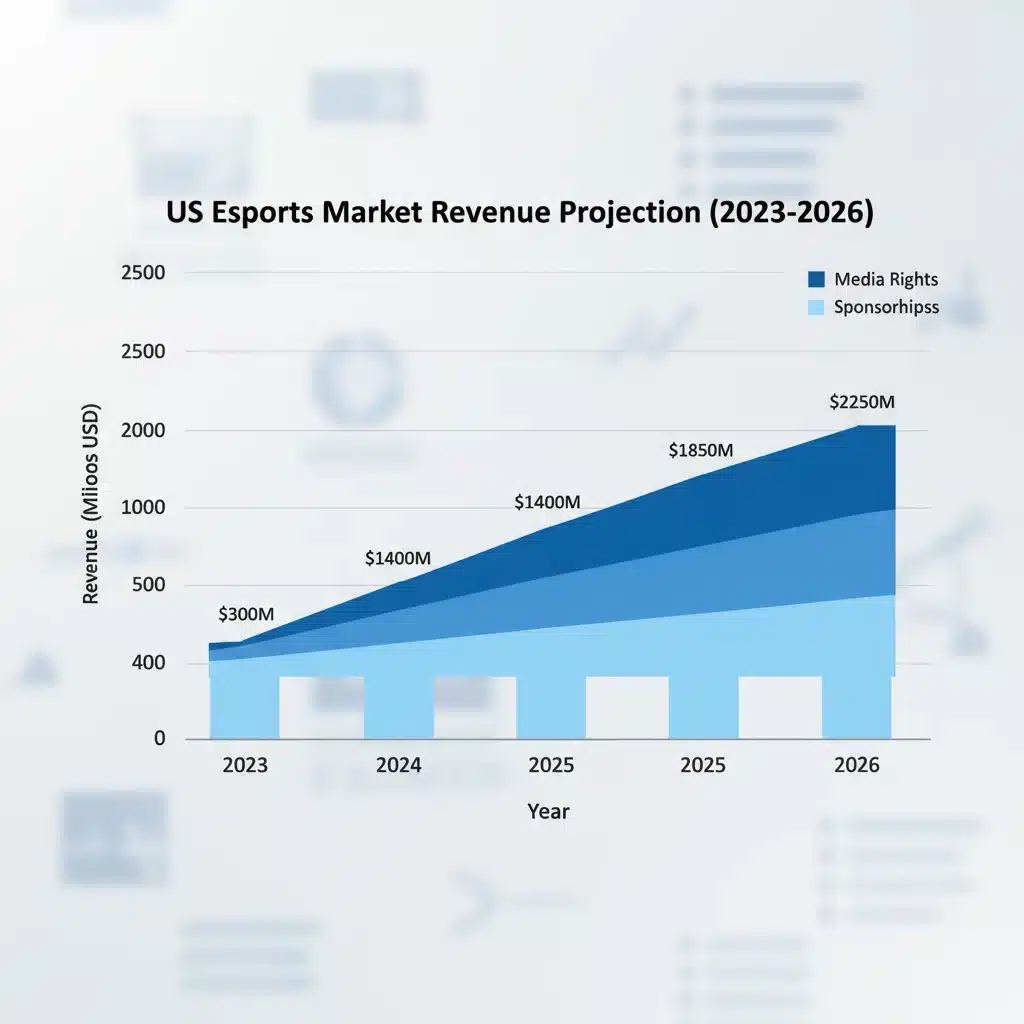
Projecting the future of any rapidly evolving industry is complex, but for the Esports US Market, the signs point to sustained and significant growth leading up to and beyond 2026. Several reputable market research firms predict the US to remain a dominant force, contributing a substantial portion of global esports revenue. Let’s break down the key areas of anticipated growth:
Revenue Streams: Diversification and Amplification
- Sponsorships and Advertising: This continues to be the largest revenue driver. By 2026, we anticipate even greater investment from a broader range of brands, including those in finance, automotive, and consumer goods, as they become more sophisticated in their activation strategies. Data-driven insights into audience demographics and engagement will further refine these partnerships.
- Media Rights: The battle for exclusive broadcasting rights will intensify. As traditional media companies and streaming platforms recognize the value of live esports content, the bidding wars will drive up the value of media rights, providing substantial income for leagues and publishers. We could see more bespoke content deals and even dedicated esports channels.
- Merchandise and Ticketing: Fan engagement translates directly into merchandise sales and event attendance. With more large-scale, live events planned across the US, ticket sales will surge. Furthermore, team and league branded merchandise, including apparel, collectibles, and digital assets, will see significant growth as fan bases solidify.
- Publisher Fees: Game publishers, who are the bedrock of esports titles, will continue to generate revenue through licensing their games for competitive play, in-game purchases, and event participation fees. The success of new game titles will directly impact this segment.
- Esports Betting: While still in its nascent stages of regulation across various US states, esports betting holds immense potential. As more states legalize and regulate sports betting, esports is likely to follow suit, opening up a significant new revenue stream for the industry, albeit with careful consideration for integrity and responsible gambling.
Audience Growth and Demographics
The number of esports enthusiasts and occasional viewers in the US is expected to continue its upward trajectory. This growth will be fueled by:
- Increased Accessibility: Esports content is more accessible than ever, available on a multitude of platforms and devices.
- Youth Engagement: A new generation of gamers who grew up with competitive gaming are now entering the workforce, possessing disposable income and a strong affinity for esports.
- Diversification of Titles: While titles like League of Legends, CS:GO, and Valorant remain dominant, the emergence of new, diverse game genres entering the competitive scene will attract broader audiences.
- Mainstream Acceptance: As esports gains more mainstream media coverage and recognition, it attracts viewers who might not traditionally identify as gamers.
By 2026, the demographic profile of the Esports US Market audience is expected to become even more diverse, encompassing a wider age range and gender distribution, though still predominantly skewing younger and male. This diversification presents new opportunities for brands and content creators.
The Transformative Power of Recent League Expansions
The structure and growth of esports leagues are perhaps the most critical determinant of the Esports US Market‘s future. Recent years have seen significant shifts, most notably the proliferation of franchised leagues and the expansion into new regions and game titles. These expansions are not merely about adding more teams; they are strategic moves designed to professionalize the industry, ensure financial stability, and deepen fan engagement.
Franchised Leagues: Stability and Investment
The adoption of franchised models, exemplified by leagues like the Overwatch League and the Call of Duty League, has brought a new level of stability and legitimacy to the Esports US Market. Key impacts include:
- Increased Investment: Franchise slots often cost millions, indicating significant long-term investment from team owners, many of whom come from traditional sports or venture capital. This capital fuels infrastructure, player salaries, and marketing.
- Player Security: Franchised leagues often offer better player contracts, benefits, and career stability, attracting top talent and encouraging long-term commitment to the sport.
- Regional Fan Bases: Teams representing specific cities foster local fan engagement, mirroring traditional sports models. This creates a sense of identity and loyalty that is crucial for sustained viewership.
- Long-Term Planning: With a permanent spot in a league, teams and publishers can invest in multi-year strategies for content creation, community building, and talent development.
While the initial investment for these franchises was high, the long-term vision is to create sustainable ecosystems that generate consistent revenue and fan interest, ultimately strengthening the entire Esports US Market.
Geographic and Game Title Expansion
Beyond existing major titles, the Esports US Market is witnessing expansion in two crucial dimensions:
- New Game Titles: Publishers are actively pushing new games into the competitive scene, from mobile esports to fighting games and even simulation titles. This broadens the appeal and taps into different player bases.
- Regional Development: While major cities have been esports hubs, there’s a growing focus on developing grassroots scenes and regional tournaments across the US. This strategy cultivates new talent and brings esports closer to local communities, expanding the overall footprint of the Esports US Market.
Impact on Viewer Engagement: Deeper Connections and Broader Appeal
The expansions and structural changes within the Esports US Market are having a profound impact on how viewers engage with the content. It’s no longer just about passively watching a stream; it’s about active participation and community building.
Enhanced Production Value and Storytelling
With increased investment, league productions have become highly sophisticated. Broadcasts now feature:
- Professional Casters and Analysts: Experts who provide insightful commentary and break down complex strategies, making the games more understandable and exciting for new viewers.
- High-Quality Graphics and Replays: Enhancing the viewing experience with dynamic visuals and detailed analysis.
- Documentaries and Player Spotlights: Humanizing the players and teams, creating compelling narratives that draw viewers in and foster emotional connections. This storytelling aspect is crucial for building lasting fan loyalty in the Esports US Market.
Interactive Viewing Experiences
Platforms are continually innovating to offer more interactive viewing experiences:
- Chat Integration: Live chats allow viewers to react in real-time, share opinions, and build a sense of community.
- Co-streaming: Popular streamers co-broadcast official matches, offering alternative perspectives and attracting their dedicated audiences.
- In-game Rewards: Some leagues offer in-game rewards for watching matches, incentivizing viewership.
- Fantasy Esports: Similar to traditional sports, fantasy esports leagues allow fans to draft teams and compete, deepening their engagement with individual players and matches.
These interactive elements transform passive viewing into an active, social experience, which is a significant driver of sustained engagement within the Esports US Market.
Challenges and Opportunities for the Esports US Market
While the forecast for the Esports US Market is overwhelmingly positive, it’s not without its challenges. Addressing these will be crucial for realizing the full potential of the industry by 2026.
Challenges:
- Player Burnout and Welfare: The intense competitive schedule and pressure can lead to player burnout. Ensuring player health, mental well-being, and career longevity is paramount.
- Monetization Hurdles: While revenue is growing, ensuring consistent and diversified monetization strategies that are not overly reliant on sponsorships is an ongoing challenge.
- Game Longevity: The competitive lifespan of a game can be unpredictable. Leagues and teams need to adapt to new titles and maintain flexibility.
- Regulatory Landscape: The patchwork of state-level regulations for esports betting and player contracts can create complexities.
- Talent Development Pipeline: Building a sustainable pipeline of new talent, from amateur to professional, requires significant investment at the grassroots level.
Opportunities:
- Technological Innovation: Advancements in virtual reality, augmented reality, and AI could create entirely new viewing experiences and revenue streams.
- Educational Integration: Further integration of esports into academic curricula, from high school to university, can professionalize the industry and foster talent.
- Global Collaboration: Increased collaboration with international esports organizations can lead to more global tournaments and a more unified competitive ecosystem.
- Diversity and Inclusion: Promoting greater diversity in players, casters, and leadership can broaden appeal and tap into underserved demographics.
- Hybrid Events: Combining online viewership with compelling in-person events will continue to be a winning formula, leveraging the best of both worlds.
The Role of Technology and Innovation
Technology is the bedrock of esports, and its continued evolution will be a primary driver of the Esports US Market towards 2026. Advancements in streaming technology, such as higher resolutions, lower latency, and interactive overlays, will make the viewing experience more immersive and engaging. The development of sophisticated anti-cheat software is vital for maintaining competitive integrity, which is fundamental to viewer trust and engagement.
Furthermore, the integration of AI for analytics, coaching, and even automated casting could revolutionize how games are played, analyzed, and presented. Blockchain technology and NFTs might also play a role in fan engagement, digital collectibles, and even tokenized ownership of teams or league assets, creating new avenues for investment and interaction within the Esports US Market.
The Future of Esports Ecosystems in the US
By 2026, the Esports US Market is expected to feature a more mature and integrated ecosystem. This includes a more robust amateur scene, with clear pathways for aspiring players to turn professional. Collegiate esports will likely expand significantly, becoming a major feeder system for pro leagues and providing educational opportunities for those interested in the broader esports industry (e.g., event management, broadcasting, coaching).
The infrastructure supporting esports will also grow. Dedicated esports venues, training facilities, and production studios will become more commonplace. Cities will increasingly view esports as an economic driver, attracting events and talent, and potentially offering incentives for organizations to set up shop locally. This localized development will further embed esports into the cultural fabric of the US.
Conclusion: A Bright Horizon for the Esports US Market
The journey of the Esports US Market towards 2026 is one of relentless innovation, strategic growth, and deepening engagement. Driven by a robust economy, a passionate fan base, and significant investment, the industry is poised to solidify its position as a major player in the global entertainment and sports landscape. Recent league expansions, particularly the adoption of franchised models and the diversification of game titles and regions, are not just expanding the market’s size but also enriching its ecosystem and strengthening its appeal.
While challenges remain, the opportunities for growth and technological advancement are immense. As the lines between traditional sports and esports continue to blur, the Esports US Market is set to deliver thrilling competition, compelling narratives, and unprecedented levels of fan interaction. The future is bright, and the game is just getting started.