Next-Gen Console Sales Q1 2026: PlayStation 5 vs. Xbox Series X/S in the US
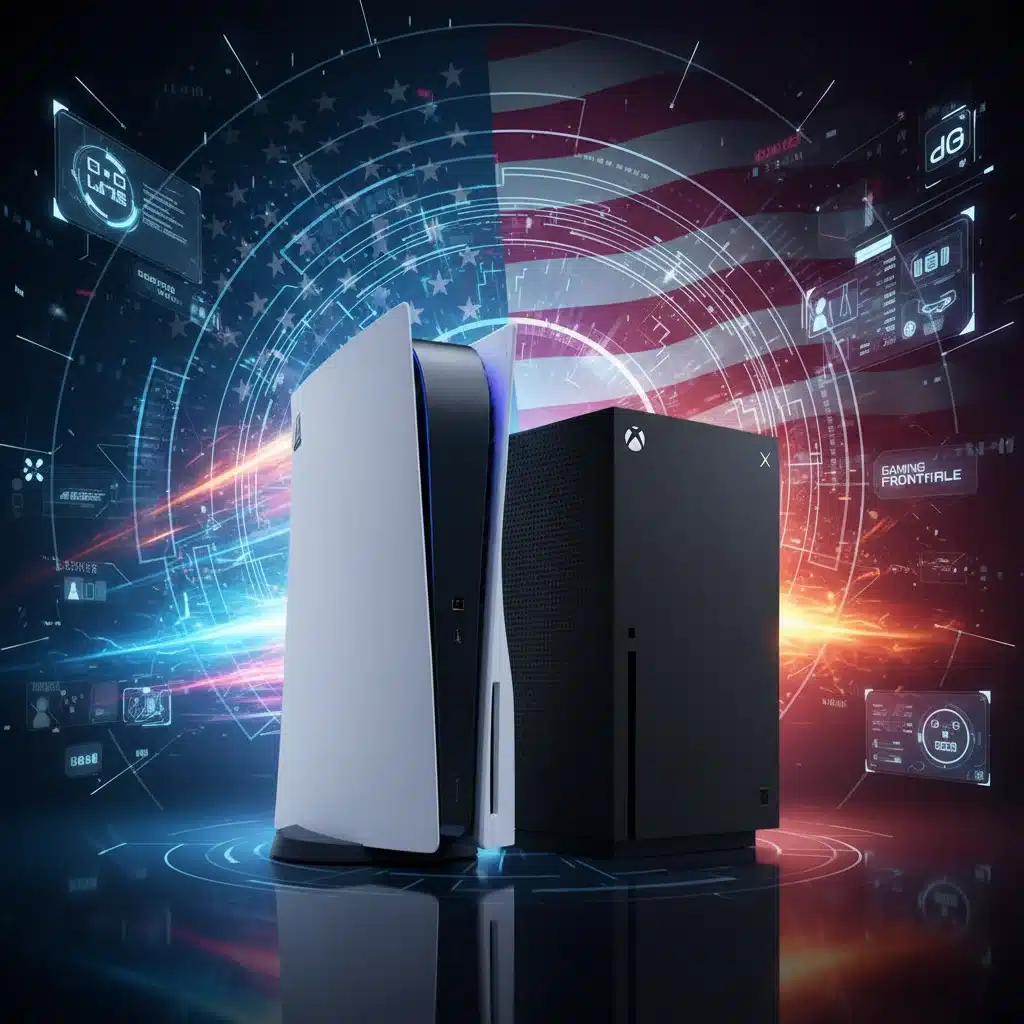
The first quarter of 2026 has concluded, and with it comes a fresh wave of data providing crucial insights into the ever-evolving landscape of the gaming industry. Our focus today is squarely on the United States market, a battleground where Sony’s PlayStation 5 and Microsoft’s Xbox Series X/S continue their fierce competition for dominance in the next-gen console space. Understanding these next-gen console sales figures is not just about bragging rights; it offers a comprehensive look at consumer preferences, market trends, and the strategic directions both tech giants are taking.
This report delves deep into the performance of both consoles during Q1 2026, analysing sales trends, identifying key drivers behind consumer choices, and projecting potential future trajectories. The console war, as it’s often dubbed, is a dynamic arena, influenced by exclusive titles, hardware availability, pricing strategies, and broader economic factors. By dissecting the latest next-gen console sales data, we aim to provide a clear picture of who is leading the charge and why.
Q1 2026 US Next-Gen Console Sales Overview
The first three months of 2026 have presented a fascinating narrative for next-gen console sales in the US. Preliminary data indicates a robust market, with both PlayStation 5 and Xbox Series X/S demonstrating strong, albeit varied, performance. The persistent demand for these consoles, even years into their lifecycle, underscores the enduring appeal of high-fidelity gaming experiences and the continuous innovation within the sector.
While exact figures are often proprietary and subject to detailed financial reports, industry analysts, leveraging retail tracking data and supply chain information, can paint a relatively accurate picture. What’s clear is that the market is maturing, with initial supply constraints largely alleviated, allowing for a more accurate reflection of organic demand. This period is particularly interesting as it follows the crucial holiday shopping season of late 2025, offering insights into sustained consumer interest rather than just peak purchasing surges.
The overall sentiment within the gaming community remains positive, with a steady stream of new titles and technological advancements keeping players engaged. This sustained enthusiasm directly translates into healthy next-gen console sales, forming the bedrock of the industry’s growth.
PlayStation 5: Maintaining Momentum
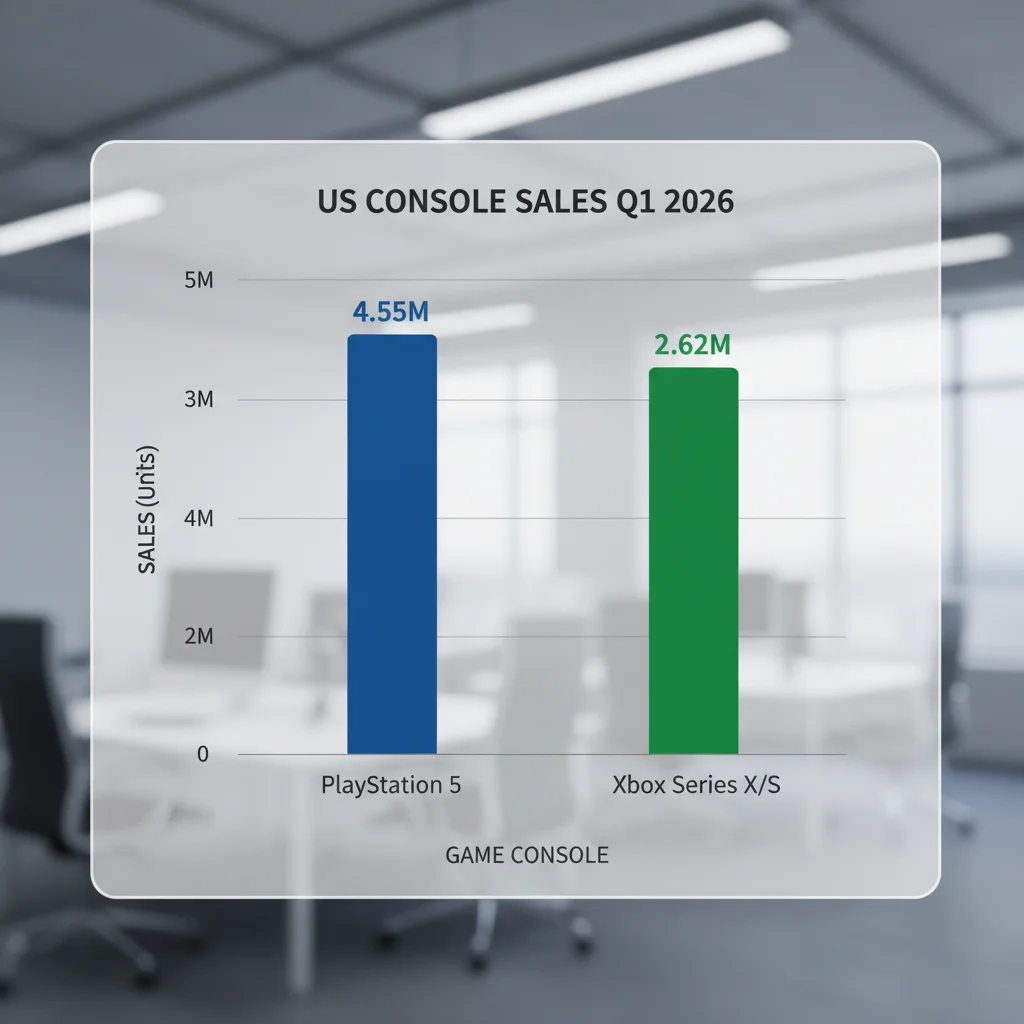
Sony’s PlayStation 5 has consistently been a formidable contender in the next-gen console sales race, and Q1 2026 in the US appears to be no exception. Analysts suggest that the PS5 has managed to maintain a significant lead over its competitor, continuing its trend of strong sales performance. Several factors contribute to this sustained momentum, solidifying its position in the market.
Exclusive Game Library and Ecosystem
One of the most potent weapons in Sony’s arsenal is its robust and critically acclaimed library of exclusive titles. Games like ‘Marvel’s Spider-Man 3’ (hypothetical release for 2026), ‘God of War: Ragnarök’s’ continued popularity, and new IP announcements have kept the PlayStation ecosystem incredibly attractive. These exclusive experiences often serve as system sellers, compelling gamers to choose the PS5 over other platforms. The promise of unparalleled single-player narratives and visually stunning graphics remains a core draw for many.
Furthermore, the PlayStation Plus subscription service, with its tiered offerings, continues to add value, providing access to a vast catalogue of games, online multiplayer, and monthly free titles. This ecosystem approach fosters loyalty and encourages continued engagement with the platform, indirectly boosting next-gen console sales.
Brand Loyalty and Global Presence
PlayStation boasts a deeply ingrained brand loyalty cultivated over decades. Many gamers who grew up with previous PlayStation consoles naturally gravitate towards the PS5. This historical connection, combined with Sony’s aggressive marketing and broad global presence, ensures a consistent baseline for next-gen console sales. In the US, this loyalty is particularly evident, with a dedicated fanbase that eagerly anticipates new releases and hardware iterations.
Hardware Availability and Pricing
Throughout Q1 2026, PlayStation 5 availability has been consistent across major retailers, a stark contrast to the earlier days of its launch. This improved supply chain has allowed more consumers to purchase the console without significant delays or price gouging, directly impacting next-gen console sales positively. While the console’s price point remains premium, its perceived value, coupled with bundled deals, has proven attractive to consumers.
Xbox Series X/S: Strategic Growth and Game Pass Power
Microsoft’s Xbox Series X/S, while trailing the PlayStation 5 in overall next-gen console sales in the US, has demonstrated strategic growth and continues to carve out a significant niche. The Xbox strategy is distinctly different from Sony’s, focusing heavily on value, accessibility, and a subscription-first model. Q1 2026 shows continued progress for Microsoft, particularly in expanding its user base through innovative approaches.
The Game Pass Advantage
The undisputed cornerstone of Xbox’s strategy is Xbox Game Pass. This subscription service offers an unparalleled value proposition, providing day-one access to first-party titles and a rotating library of hundreds of high-quality games for a monthly fee. For many consumers, especially those conscious of game prices, Game Pass represents a compelling reason to choose an Xbox console. The ability to play major new releases without an additional upfront purchase is a powerful incentive that directly influences next-gen console sales.
Hardware Versatility and Affordability
Microsoft’s dual-console strategy with the powerful Xbox Series X and the more affordable, digital-only Xbox Series S caters to a broader spectrum of consumers. The Series S, in particular, acts as an accessible entry point into next-gen gaming, appealing to budget-conscious gamers or those looking for a secondary console. This versatility helps Microsoft capture a wider market share, bolstering overall next-gen console sales.
Acquisitions and First-Party Development
Microsoft’s aggressive acquisition strategy, bringing major publishers and development studios under the Xbox umbrella, is beginning to bear fruit. While some of the largest acquired titles may not have fully impacted Q1 2026 sales, the promise of future exclusive content from studios like Bethesda and Activision Blizzard continues to generate buzz and long-term interest. This commitment to expanding its first-party portfolio is crucial for sustaining future next-gen console sales and competing with PlayStation’s established exclusives.
Market Dynamics and Consumer Behavior in Q1 2026
Beyond the individual performances of the PS5 and Xbox Series X/S, several broader market dynamics influenced next-gen console sales in the US during Q1 2026. Understanding these overarching trends provides context for the current competitive landscape.
Economic Factors and Discretionary Spending
The economic climate always plays a significant role in consumer electronics sales. While inflationary pressures and interest rate hikes have been a concern, the gaming market has often shown resilience. However, discretionary spending can still impact purchasing decisions, particularly for high-value items like next-gen consoles. Q1 2026 saw a relatively stable economic environment, allowing consumers to continue investing in entertainment, which positively impacted next-gen console sales.
Cross-Platform Play and PC Gaming
The rise of cross-platform play and the increasing power of PC gaming present both challenges and opportunities for console manufacturers. While some gamers might opt for a high-end PC instead of a console, cross-platform compatibility often means friends can play together regardless of their chosen platform, which can reduce the pressure to own a specific console for social gaming. However, the unique experiences offered by console exclusives still drive dedicated next-gen console sales.
Digital Distribution and Game Streaming
The continued shift towards digital distribution and the nascent but growing interest in game streaming services also shape the market. Both PlayStation and Xbox offer robust digital storefronts, and their subscription services (PlayStation Plus and Xbox Game Pass) are fundamentally streaming and download-based. This trend influences how games are consumed and, by extension, how consoles are perceived as gateways to these digital libraries, impacting next-gen console sales.
The Role of Exclusive Titles in Driving Next-Gen Console Sales
It cannot be overstated how critical exclusive titles are to the success of a console. For Q1 2026, the release schedule, while not as packed as a holiday season, still featured significant releases that swayed next-gen console sales.
PlayStation’s Continued Dominance in Single-Player Narratives
Sony has perfected the art of cinematic, story-driven single-player experiences. Titles like ‘Final Fantasy VII Rebirth’ (released Q1 2024, but with continued sales impact) and the anticipation for future exclusives keep the PS5 as the go-to platform for many who cherish these types of games. The sheer quality and immersive nature of these titles are powerful motivators for next-gen console sales.
Xbox’s Multi-Platform and Day-One Strategy
Microsoft’s approach is different. While they have exclusives, many of their first-party titles are also available on PC and, increasingly, on competitor platforms after a period. The key differentiator for Xbox is the day-one availability on Game Pass. This means that while a game like ‘Starfield’ (released Q3 2023) might not be a traditional console exclusive, its inclusion on Game Pass from day one drives subscriptions and, consequently, next-gen console sales for those wanting the dedicated console experience.
Future Outlook and Predictions for Next-Gen Console Sales
Looking beyond Q1 2026, what can we expect for next-gen console sales in the US market?
Continued PlayStation Strength
Barring any unforeseen circumstances, the PlayStation 5 is poised to continue its strong performance. Its established user base, consistent flow of high-quality exclusives, and robust ecosystem provide a solid foundation. Sony’s challenge will be to innovate further, perhaps with mid-generation hardware refreshes or new services, to maintain its lead in next-gen console sales.
Xbox’s Strategic Evolution
Microsoft’s strategy is a long-term play. The impact of their studio acquisitions will become more evident in the coming years, potentially shifting the balance of power. Game Pass will remain their primary differentiator, and expanding its reach to more devices and platforms could be key. Increased market penetration for the Series S could also significantly boost overall next-gen console sales for Microsoft.

The Influence of Cloud Gaming
Cloud gaming, while still in its nascent stages for widespread adoption, holds the potential to disrupt the traditional console market. Both Sony and Microsoft are investing heavily in cloud technologies. As these services mature, they could alter how consumers access games, potentially impacting the need for dedicated hardware and thus influencing future next-gen console sales. However, for the foreseeable future, dedicated consoles will remain the preferred method for high-fidelity gaming.
Potential for Mid-Generation Refreshes
The industry has a history of mid-generation console refreshes (e.g., PS4 Pro, Xbox One X). It is highly probable that both Sony and Microsoft will introduce enhanced versions of their current consoles in the coming years, offering improved performance and potentially new features. Such releases could provide significant boosts to next-gen console sales, reigniting interest and attracting new buyers.
Conclusion: A Dynamic and Competitive Landscape
The Q1 2026 report on next-gen console sales in the US paints a picture of a vibrant, competitive, and constantly evolving market. PlayStation 5 continues to leverage its powerful brand, exclusive content, and strong market presence to maintain a leading position. Meanwhile, Xbox Series X/S is making significant strides through its innovative Game Pass service, versatile hardware options, and strategic long-term investments in content. Both platforms offer compelling reasons for consumers to invest, ensuring the next-gen console sales race remains exciting.
For consumers, this competition is ultimately beneficial, driving innovation, better services, and a wider array of gaming experiences. As we move further into 2026, it will be fascinating to observe how these strategies unfold and how the next-gen console sales figures reflect the ongoing battle for the hearts and minds of gamers across the United States. The industry is dynamic, and understanding these trends is crucial for anyone involved in or interested in the future of gaming.