US Gaming Market Q1 2026: Investment Opportunities & Key Shifts

Analysing Q1 2026: Key Shifts in the US Gaming Market and Their Impact on Investment Strategies
The first quarter of 2026 has proven to be a pivotal period for the US Gaming Market, showcasing a complex interplay of technological advancements, evolving consumer behaviour, and significant regulatory adjustments. For investors and industry stakeholders, understanding these shifts is not merely beneficial but essential for navigating the dynamic landscape and formulating robust investment strategies. This comprehensive analysis delves deep into the performance, trends, and future trajectories of the US Gaming Market, providing a critical perspective on where opportunities lie and what challenges demand careful consideration.
The US Gaming Market continues its trajectory as a global powerhouse, consistently demonstrating resilience and innovation. Q1 2026, however, has brought forth several distinctive characteristics that differentiate it from previous quarters. We witnessed a solidification of certain trends that began in prior years, alongside the emergence of novel factors that are set to redefine the industry’s future. From the continued dominance of mobile gaming to the burgeoning influence of esports and the cautious yet persistent growth of virtual and augmented reality, the landscape is richer and more varied than ever before.
Overview of US Gaming Market Performance in Q1 2026
The overall health of the US Gaming Market in Q1 2026 remained robust, despite facing some macroeconomic headwinds. Total revenue figures indicated a steady growth, albeit with a slight deceleration compared to the explosive growth rates observed during the pandemic-driven boom. This normalisation suggests a mature market adapting to new realities, where sustained engagement and innovative monetisation strategies are key drivers rather than sheer volume acquisition.
Key performance indicators revealed interesting divergences across different segments. Mobile gaming, as anticipated, maintained its leading position, driven by hyper-casual games, live-service titles, and the increasing sophistication of mobile esports. Console gaming experienced a moderate but stable quarter, buoyed by the release of highly anticipated exclusive titles and the continued adoption of the latest generation hardware. PC gaming, while a smaller segment in terms of absolute revenue, demonstrated strong engagement metrics, particularly within the competitive online multiplayer and indie game sectors.
Investment flows into the US Gaming Market also reflected these trends, with venture capital and private equity firms showing sustained interest in mobile game developers, esports organisations, and gaming technology providers. Mergers and acquisitions activity, while not reaching the frenetic pace of late 2024, remained strategic, focusing on synergistic integrations that enhance platform capabilities or expand intellectual property portfolios. Understanding these foundational performance metrics is the first step in formulating effective investment strategies within the US Gaming Market.
Technological Advancements Reshaping the Landscape
Technology is the bedrock of the gaming industry, and Q1 2026 showcased several advancements that are profoundly reshaping the US Gaming Market. These innovations are not just improving existing experiences but are also creating entirely new categories of gameplay and engagement.
Artificial Intelligence (AI) and Procedural Generation
The integration of advanced AI in game development has moved beyond simple NPC behaviour. In Q1 2026, we observed a significant uptick in games leveraging AI for procedural content generation, dynamic storytelling, and adaptive difficulty. This allows for unparalleled replayability and personalised experiences, which are increasingly valued by consumers. For investors, companies at the forefront of AI-driven game development tools and engines represent a compelling opportunity within the US Gaming Market.
Cloud Gaming’s Maturation
Cloud gaming, once a nascent technology, has shown substantial maturation in Q1 2026. Improved infrastructure, reduced latency, and more robust streaming platforms have led to a noticeable increase in adoption. While still a complementary rather than dominant force, cloud gaming is expanding the accessibility of high-fidelity games to a broader audience, particularly those without high-end hardware. This expansion of the potential player base is a critical factor for growth in the US Gaming Market, opening new avenues for subscription-based models and wider content distribution.
Virtual and Augmented Reality’s Steady Ascent
While not yet mainstream, VR and AR continued their steady ascent in Q1 2026. Next-generation VR headsets with improved graphics, comfort, and standalone capabilities have started to attract a more dedicated user base. AR, particularly mobile AR, saw innovative applications in location-based games and interactive experiences. Investment in companies developing compelling VR/AR content and hardware infrastructure is a long-term play, but the foundations being laid in quarters like Q1 2026 are crucial for future exponential growth in the US Gaming Market.
Evolving Consumer Behaviour and Demographics
Understanding who is playing, what they are playing, and how they are playing is paramount for anyone looking to succeed in the US Gaming Market. Q1 2026 highlighted several shifts in consumer behaviour and demographics that warrant close attention.
Diversification of the Player Base
The stereotype of the ‘gamer’ continues to erode. The US Gaming Market is becoming increasingly diverse, encompassing a wider age range, gender distribution, and socio-economic backgrounds. Mobile gaming, in particular, has been instrumental in this diversification, bringing casual players into the fold. This broad appeal necessitates a wider range of content and marketing strategies, moving beyond traditional gaming niches.
Preference for Live-Service Games and Social Interaction
The dominance of live-service games, characterised by ongoing content updates, seasonal passes, and strong community features, continued unabated in Q1 2026. Players are increasingly seeking games that offer continuous engagement and opportunities for social interaction. This trend underscores the importance of community management, robust online infrastructure, and a clear content roadmap for developers and publishers operating in the US Gaming Market.
Growth of "Creator Economy" in Gaming
The symbiotic relationship between content creators (streamers, YouTubers, modders) and game developers strengthened further in Q1 2026. Many players discover new games through these creators, and their influence on purchasing decisions is undeniable. Investment into platforms that support creator-player interaction, and companies that effectively leverage the creator economy, can yield significant returns in the US Gaming Market.
Regulatory Landscape and Its Implications
The regulatory environment surrounding the US Gaming Market is a complex and ever-evolving one. Q1 2026 saw several discussions and minor legislative adjustments that could have long-term implications for the industry.
Data Privacy and Consumer Protection
With increasing scrutiny on data privacy globally, the US Gaming Market faced calls for stricter adherence to consumer data protection laws. Discussions around the collection and usage of player data, particularly concerning minors, gained traction. Companies operating within the US Gaming Market must ensure robust data security measures and transparent privacy policies to avoid potential legal challenges and maintain consumer trust.
Microtransactions and "Loot Box" Debates
The debate around microtransactions and loot boxes continued in Q1 2026, with some states exploring potential legislation to regulate these monetisation mechanics, especially when perceived as gambling-like. While no sweeping federal changes occurred, the ongoing dialogue suggests that developers in the US Gaming Market need to be mindful of ethical design practices and transparent communication regarding in-game purchases to pre-empt stricter regulations.
Esports and Betting Regulations
As esports continues its meteoric rise, the regulatory framework for esports betting is gradually catching up. Q1 2026 saw more states either legalising or initiating discussions around regulated esports betting. This opens up new revenue streams and investment opportunities but also necessitates careful consideration of integrity issues, anti-corruption measures, and responsible gambling initiatives within the US Gaming Market.
Emerging Trends and Investment Opportunities
Beyond the established segments, Q1 2026 also highlighted several emerging trends that present exciting investment opportunities within the US Gaming Market.
Web3 Gaming and Blockchain Integration
While still in its early stages and facing significant skepticism, Web3 gaming, incorporating blockchain technology, NFTs, and play-to-earn models, continued to attract attention and investment. Q1 2026 saw a move towards more sustainable and gameplay-focused Web3 titles, moving away from purely speculative models. Companies building robust infrastructure, scalable blockchain solutions, and genuinely fun Web3 games could be disruptive forces in the long run for the US Gaming Market.
Interactive Entertainment and Transmedia Storytelling
The lines between gaming, film, and other forms of entertainment continued to blur. Q1 2026 saw more examples of interactive narratives, games with strong cinematic qualities, and successful transmedia adaptations (games into TV series/movies, and vice-versa). Investment in studios proficient in transmedia production and those capable of creating rich, interconnected universes will be key for capturing a broader entertainment market within the US Gaming Market.
Gaming as a "Third Place"
Beyond mere entertainment, games are increasingly serving as social hubs – a "third place" where people connect, collaborate, and build communities. Platforms facilitating these social interactions, virtual worlds, and metaverses (even if not fully realised yet) are seeing increased user engagement. Investing in technologies and platforms that enhance social connectivity and community building within games is a forward-looking strategy for the US Gaming Market.
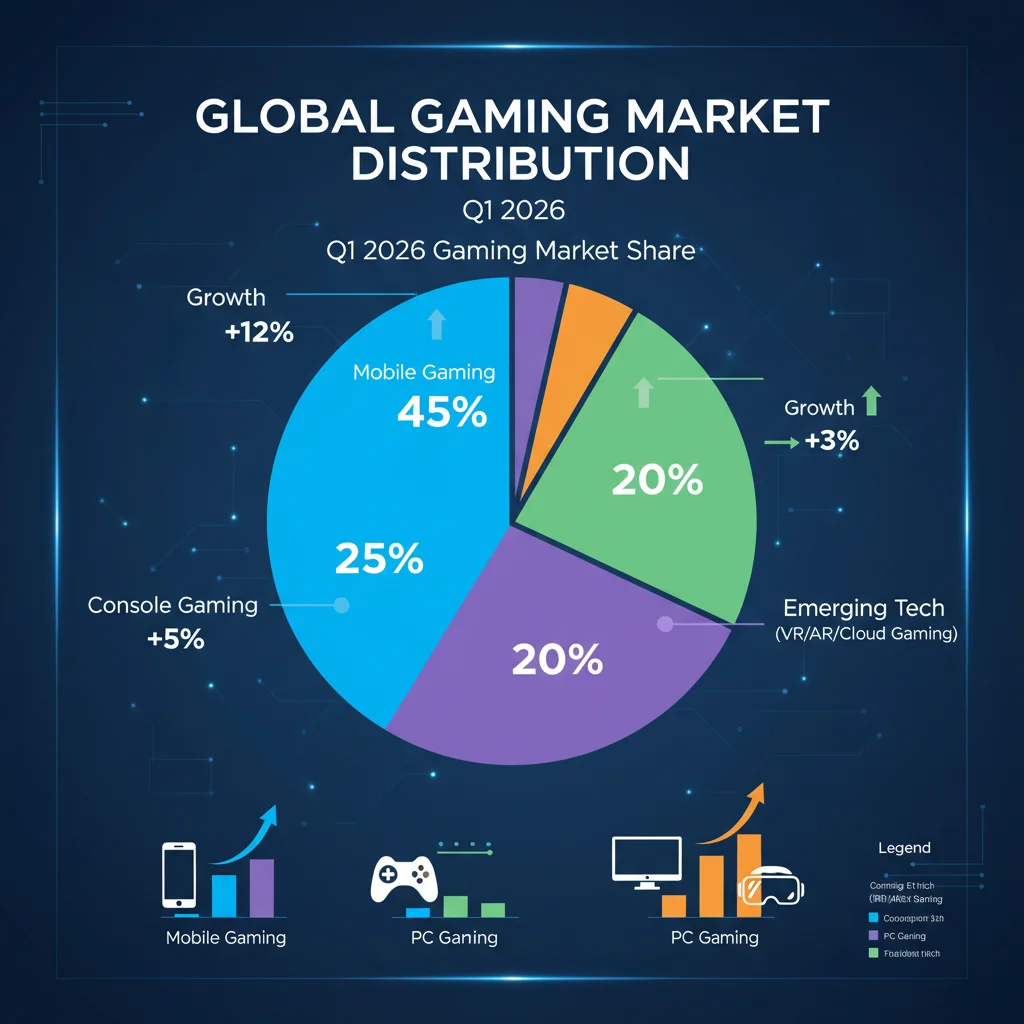
The distribution of market share in Q1 2026 further underscores these trends. Mobile gaming continued to command the largest slice of the pie, reflecting its accessibility and diverse appeal. Console and PC gaming, while mature, demonstrated consistent engagement, especially from core gamers. Emerging technologies like VR/AR, though smaller, showed promising growth rates, indicating future potential. Understanding this market segmentation is vital for targeted investment within the US Gaming Market.
Challenges and Risks for Investors
While the US Gaming Market offers immense opportunities, it is not without its challenges and risks. Investors must be acutely aware of these factors to mitigate potential downsides.
Market Saturation and Competition
The sheer volume of games released annually means that standing out is increasingly difficult. Market saturation leads to intense competition for player attention and spending. This necessitates strong marketing, innovative gameplay, and effective post-launch support. Investing in companies with proven track records of successful game launches and sustainable engagement models is crucial.
Talent Acquisition and Retention
The demand for skilled game developers, designers, and artists continues to outpace supply. Attracting and retaining top talent remains a significant challenge for studios. Companies with strong workplace cultures, competitive compensation packages, and opportunities for professional growth are better positioned to succeed in the highly competitive US Gaming Market.
Monetisation Model Evolution
The optimal monetisation model is constantly evolving. What works today might not work tomorrow. Companies must be agile and willing to experiment with different approaches, from premium sales to free-to-play with microtransactions, subscriptions, or hybrid models. Investors should look for companies that demonstrate flexibility and a deep understanding of player economics within the US Gaming Market.
Technological Obsolescence
The rapid pace of technological change means that hardware and software can quickly become obsolete. Investing in companies that are future-proofing their technology stacks and are adaptable to new platforms and paradigms is essential to avoid being left behind in the fast-moving US Gaming Market.
Strategic Investment Approaches for Q1 2026 and Beyond
Given the nuanced landscape of the US Gaming Market in Q1 2026, several strategic investment approaches emerge as particularly promising.
Diversification Across Segments
Rather than concentrating investments in a single segment, a diversified approach across mobile, console, PC, and emerging technologies can mitigate risk and capture growth from multiple vectors. This allows investors to capitalise on both established revenue streams and high-growth, albeit higher-risk, opportunities within the US Gaming Market.
Focus on IP and Content Creators
Intellectual property remains king. Investing in companies that own strong, beloved IPs or those that are adept at creating new, compelling franchises offers long-term value. Furthermore, supporting platforms and businesses that empower content creators can yield significant returns due to their growing influence on player acquisition and engagement in the US Gaming Market.
Infrastructure and Enabling Technologies
Beyond game development itself, investing in the underlying infrastructure and enabling technologies is a smart play. This includes cloud gaming platforms, AI development tools, analytics providers, cybersecurity solutions for gaming, and robust networking infrastructure. These "picks and shovels" businesses often provide more stable returns regardless of individual game success within the volatile US Gaming Market.
Esports Ecosystem Investments
The esports ecosystem is multifaceted, offering investment opportunities in teams, leagues, event organisers, streaming platforms, and analytics firms. As esports continues to professionalise and attract larger audiences, strategic investments in this area are likely to see substantial growth. The increasing commercialisation and viewership of competitive gaming make it a key area for growth in the US Gaming Market.
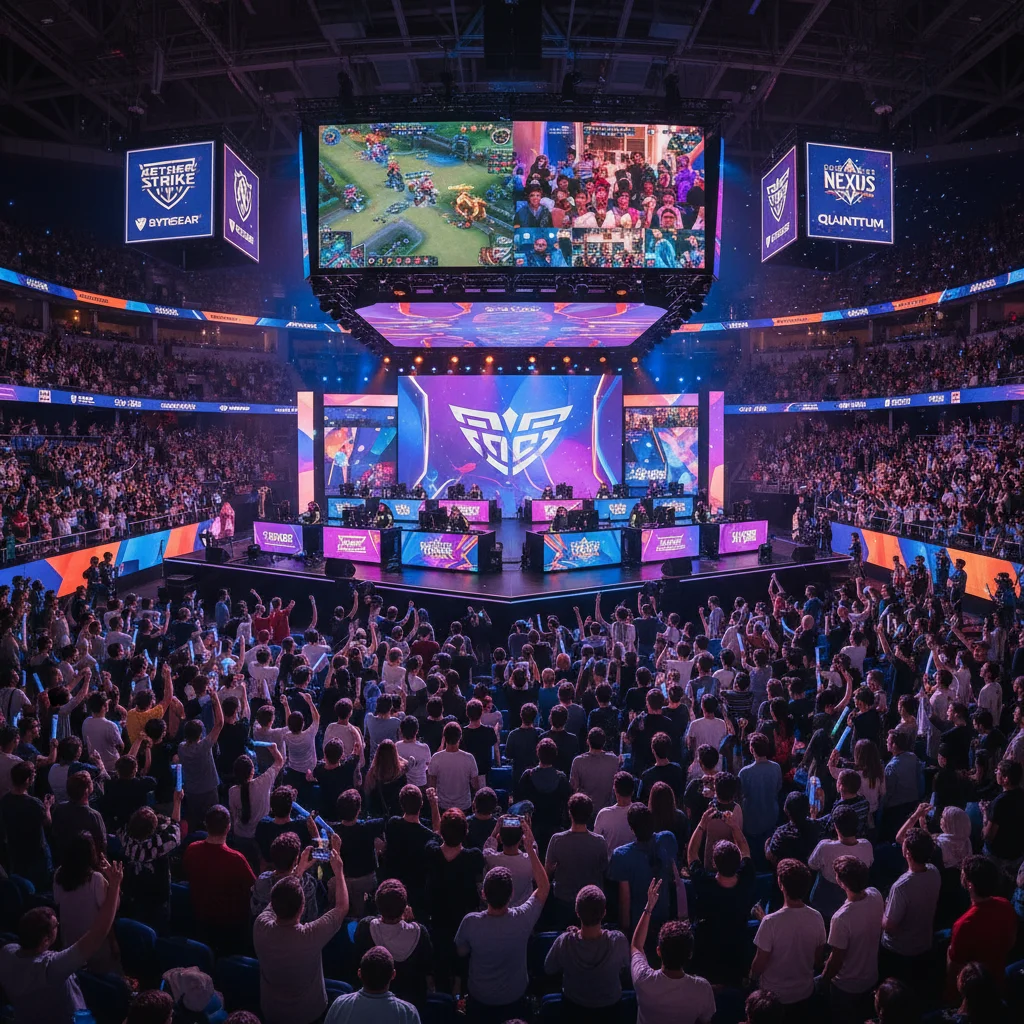
The energy and engagement at esports events are palpable. Q1 2026 saw record viewership numbers for major tournaments, reinforcing the cultural and economic significance of competitive gaming. This is not just about professional players; it’s about a global community rallying around shared passion, creating a powerful dynamic within the US Gaming Market.
Conclusion: Navigating the Future of the US Gaming Market
The US Gaming Market in Q1 2026 presented a landscape of intricate challenges and exhilarating opportunities. From the steady hand of mobile gaming to the innovative whispers of Web3 and the roaring crowds of esports, the industry continues its dynamic evolution. For investors, success hinges on a keen understanding of these shifts, a willingness to embrace technological change, and a strategic approach to capital allocation.
The trends identified in this analysis – the maturation of cloud gaming, the steady rise of VR/AR, the diversification of the player base, the increasing importance of the creator economy, and the evolving regulatory framework – are not isolated phenomena. They are interconnected forces that collectively shape the future of interactive entertainment. By carefully considering these factors, investors can position themselves to not only weather the inevitable market fluctuations but also to capitalise on the immense growth potential that the US Gaming Market unequivocally offers. The journey ahead promises to be as engaging and unpredictable as the games themselves, demanding foresight, adaptability, and a deep appreciation for the power of play.