Game Engine Evolution 2026: Unreal Engine 6 & Unity’s Next-Gen Graphics
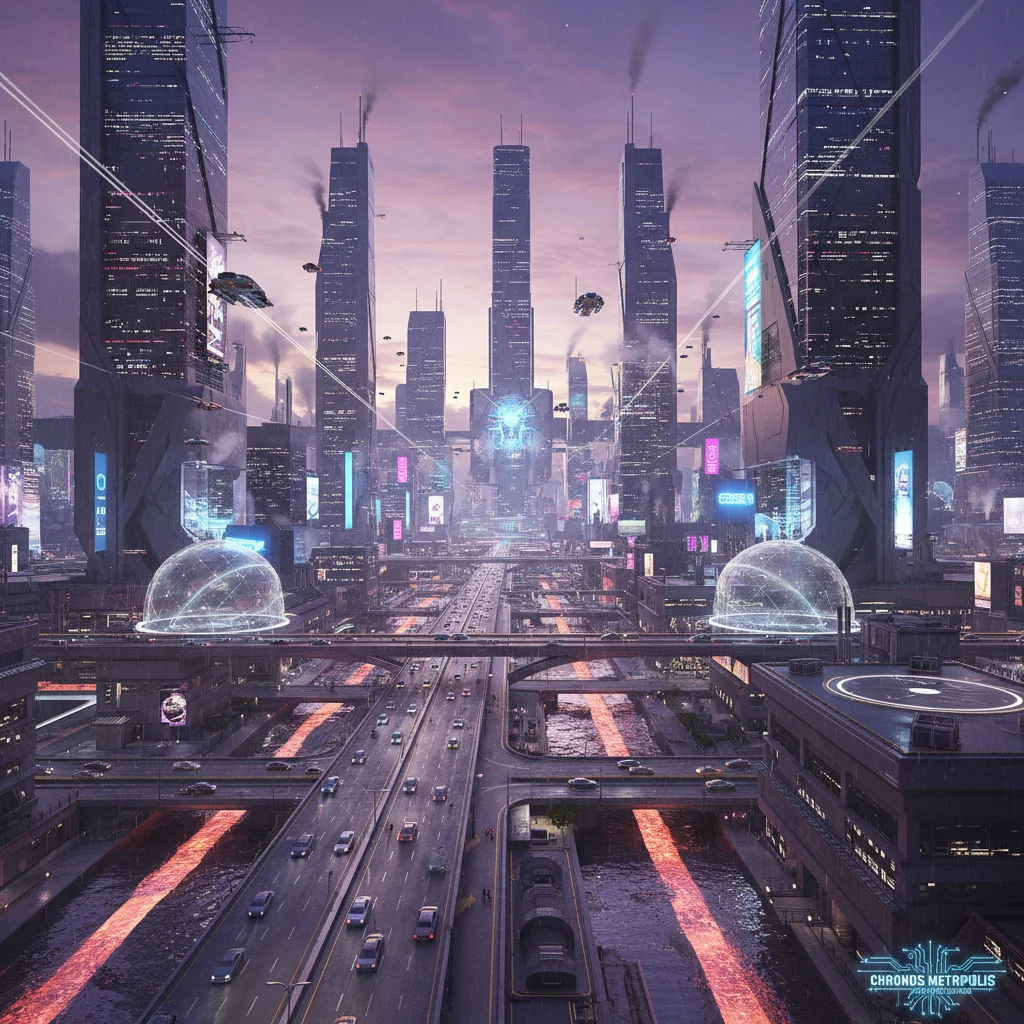
The year 2026 is rapidly approaching, and with it, a new era in interactive entertainment is dawning. The relentless march of technological progress, particularly in the realm of game development, promises experiences that once seemed confined to the pages of science fiction. At the forefront of this revolution are the titans of game engine technology: Unreal Engine and Unity. Both are pushing the boundaries of what’s possible, with anticipated releases like Unreal Engine 6 and significant updates to Unity’s core architecture poised to redefine next-gen graphics and interactive gameplay. This article delves deep into the anticipated advancements, exploring how these powerful platforms are shaping the future of gaming and beyond.
The concept of game engine evolution is not new. From the rudimentary engines of early arcade games to the sophisticated tools of today, each generation has built upon the last, adding layers of complexity, fidelity, and accessibility. However, the current trajectory suggests an acceleration unlike anything seen before. We are moving towards a future where the line between virtual and reality blurs, where narratives are profoundly interactive, and where creators have unprecedented power to bring their visions to life.
The Dawn of Unreal Engine 6: A Leap in Realism and Productivity
While specific details about Unreal Engine 6 (UE6) remain largely speculative, Epic Games’ track record with Unreal Engine 5 (UE5) provides a strong foundation for educated predictions. UE5 introduced groundbreaking technologies such as Nanite for virtualised geometry and Lumen for fully dynamic global illumination. These innovations alone set a new standard for detail and lighting fidelity, making it possible to create cinematic-quality visuals in real-time. Unreal Engine 6 is expected to build upon these foundations, pushing them to their logical extremes and introducing new paradigms for content creation.
Hyper-Realistic Graphics: Nanite and Lumen Evolved
In UE6, we can anticipate a further refinement of Nanite. Imagine environments where every pebble, every leaf, and every architectural detail is rendered with an unimaginable level of geometric precision, without the traditional performance overheads. This would mean truly photorealistic worlds, where the distinction between an in-game asset and a real-world photograph becomes increasingly difficult to discern. The optimisation of Nanite will likely focus on even more efficient streaming and rendering of massive, highly detailed assets, enabling truly expansive and intricate open-world experiences.
Lumen, UE5’s dynamic global illumination system, was a game-changer. For UE6, expect Lumen to become even more sophisticated, offering unparalleled realism in lighting and reflections. This could involve advancements in volumetric lighting, more accurate subsurface scattering for organic materials, and even more nuanced interactions between light and various surfaces. The goal will be to achieve a level of lighting fidelity that mimics the real world in every conceivable way, from the subtle glow of a setting sun to the complex refractions of light through water.
AI-Powered Content Creation and Procedural Generation
One of the most exciting prospects for Unreal Engine 6 lies in the integration of advanced artificial intelligence (AI) and machine learning (ML) into the development pipeline. AI could revolutionise everything from asset generation to character animation and even level design. Imagine tools that can intelligently generate realistic textures based on simple prompts, or AI-driven systems that can procedurally create vast, diverse landscapes complete with flora, fauna, and geological formations, all adhering to specific artistic styles and parameters.
Furthermore, AI could play a crucial role in animating characters. Instead of laborious manual keyframing, developers might leverage AI to generate highly realistic and context-aware animations, from subtle facial expressions to complex locomotion cycles, significantly reducing development time and increasing the quality of character performances. This would free up artists to focus on creative direction rather than repetitive tasks, accelerating the game engine evolution.
Enhanced Virtual Production and Simulation Capabilities
Unreal Engine has already established itself as a powerhouse in virtual production, enabling filmmakers to create stunning visual effects and virtual sets in real-time. UE6 will likely push these capabilities even further. We could see tighter integration with motion capture technologies, more robust tools for real-time VFX, and advanced simulation capabilities that allow for incredibly realistic physics, fluid dynamics, and destruction. This expansion will not only benefit game developers but also extend Unreal Engine’s influence across film, television, and architectural visualisation.
Unity’s Evolving Ecosystem: Performance, Scalability, and Cross-Platform Dominance
While Unreal Engine often captures headlines for its cutting-edge graphics, Unity remains a dominant force, especially in mobile, indie, and enterprise sectors. Unity’s strength lies in its versatility, ease of use, and robust cross-platform support. The future of Unity, as we approach 2026, will likely focus on enhancing performance, further solidifying its data-oriented technology stack (DOTS), and expanding its reach into new interactive experiences.
DOTS and Performance Optimisation
Unity’s Data-Oriented Technology Stack (DOTS), encompassing the Entity Component System (ECS), C# Job System, and Burst Compiler, represents a fundamental shift in how games are built. For 2026, Unity will continue to mature DOTS, making it even more accessible and powerful for developers. This means significantly improved performance, allowing for incredibly complex simulations, massive numbers of on-screen entities, and highly detailed worlds that run smoothly across a wide range of hardware.
The ongoing optimisation of DOTS will enable developers to create games with unprecedented scale and sophistication, without sacrificing frame rates. This is particularly crucial for mobile gaming and emerging platforms where hardware constraints are more pronounced. The continued refinement of DOTS is a cornerstone of Unity’s strategy to maintain its competitive edge and drive game engine evolution.
Enhanced Rendering Pipelines: HDRP and URP Advancements
Unity offers two primary rendering pipelines: the High Definition Render Pipeline (HDRP) for high-fidelity graphics and the Universal Render Pipeline (URP) for scalable performance across various platforms. Both are expected to see significant advancements by 2026.
HDRP will likely gain new features that bring it closer to the photorealistic capabilities of Unreal Engine. This could include more advanced real-time ray tracing implementations, sophisticated volumetric effects, and improved post-processing tools that allow for cinematic-grade visuals. URP, on the other hand, will continue to focus on optimisation and flexibility, ensuring that developers can achieve excellent visual quality on everything from high-end PCs to entry-level mobile devices, without extensive customisation.
Democratising Development: Low-Code/No-Code Solutions and AI Integration
Unity has always championed accessibility for developers. Looking towards 2026, expect Unity to further democratise game development through more intuitive tools, low-code/no-code solutions, and intelligent AI assistance. This could manifest as more robust visual scripting tools, AI-driven asset generation, and intelligent optimisers that can automatically fine-tune game performance based on target platforms.
The goal is to empower a broader range of creators, from seasoned professionals to hobbyists, to bring their ideas to life. By reducing the technical barriers to entry, Unity aims to foster innovation and diversity in game development, making it easier for unique and compelling experiences to emerge. This focus on accessibility is a key driver in the ongoing game engine evolution.
Shared Trajectories: Converging Trends in Game Engine Development
While Unreal Engine and Unity have distinct strengths and target audiences, several overarching trends are shaping the future of both platforms. These shared trajectories highlight the common goals of modern game engine development: to create more immersive, interactive, and efficient experiences.
Real-Time Ray Tracing and Path Tracing
Real-time ray tracing has been a significant step forward in realistic lighting and reflections. By 2026, expect both Unreal Engine 6 and Unity’s advanced rendering pipelines to offer highly optimised and performant real-time ray tracing and potentially even path tracing solutions. Path tracing, which simulates light paths more accurately, offers even greater realism but comes with a higher computational cost. Advancements in GPU technology and engine-level optimisations will make these technologies more accessible and practical for mainstream game development.
The result will be games with unparalleled visual fidelity, where light interacts with environments and objects in a physically accurate manner, leading to more believable and immersive worlds. Shadows will be softer, reflections more precise, and global illumination more natural, all contributing to a more photorealistic aesthetic.
Advanced Physics and Destruction Systems
The next generation of games will not only look more realistic but also behave more realistically. Both engines will likely feature significantly improved physics engines capable of simulating complex interactions, from soft-body dynamics to highly detailed fluid simulations. Furthermore, advanced destruction systems will become more commonplace, allowing for dynamic and interactive environments where every bullet hole, every explosion, and every structural collapse feels authentic and impactful.
Imagine environments that genuinely react to player actions, where buildings crumble realistically, and debris scatters in a physically accurate manner. These advancements will add a new layer of immersion and tactical depth to gameplay, making worlds feel more alive and responsive.
AI for Game Logic and Dynamic Storytelling
Beyond asset generation and animation, AI is poised to revolutionise game logic and storytelling. Both Unreal Engine and Unity will likely integrate more sophisticated AI frameworks that enable developers to create more intelligent NPCs, dynamic quests, and adaptive narratives. NPCs could learn from player behaviour, evolve over time, and react in genuinely unpredictable ways, leading to more emergent gameplay. Dynamic storytelling systems could procedurally generate plotlines, alter events based on player choices, and create unique experiences for each playthrough.
This shift towards AI-driven game logic will move us away from static, pre-scripted experiences towards truly interactive and evolving worlds, where the narrative is shaped by the player’s actions in real-time. This is a monumental step in game engine evolution.
Cloud-Native Development and Streaming
The rise of cloud gaming and distributed development workflows means that game engines need to adapt to a more connected future. Both Unreal Engine and Unity are investing in cloud-native development tools, allowing teams to collaborate more seamlessly, access powerful cloud computing resources, and potentially even stream game content directly from the cloud for development and testing purposes.
This trend also extends to the end-user experience, with cloud streaming services becoming more prevalent. Game engines will need to be optimised for low-latency streaming, ensuring that even graphically intensive games can be played smoothly on a variety of devices without requiring powerful local hardware. This represents a significant paradigm shift in how games are developed, distributed, and consumed.
The Impact on Game Developers and the Industry
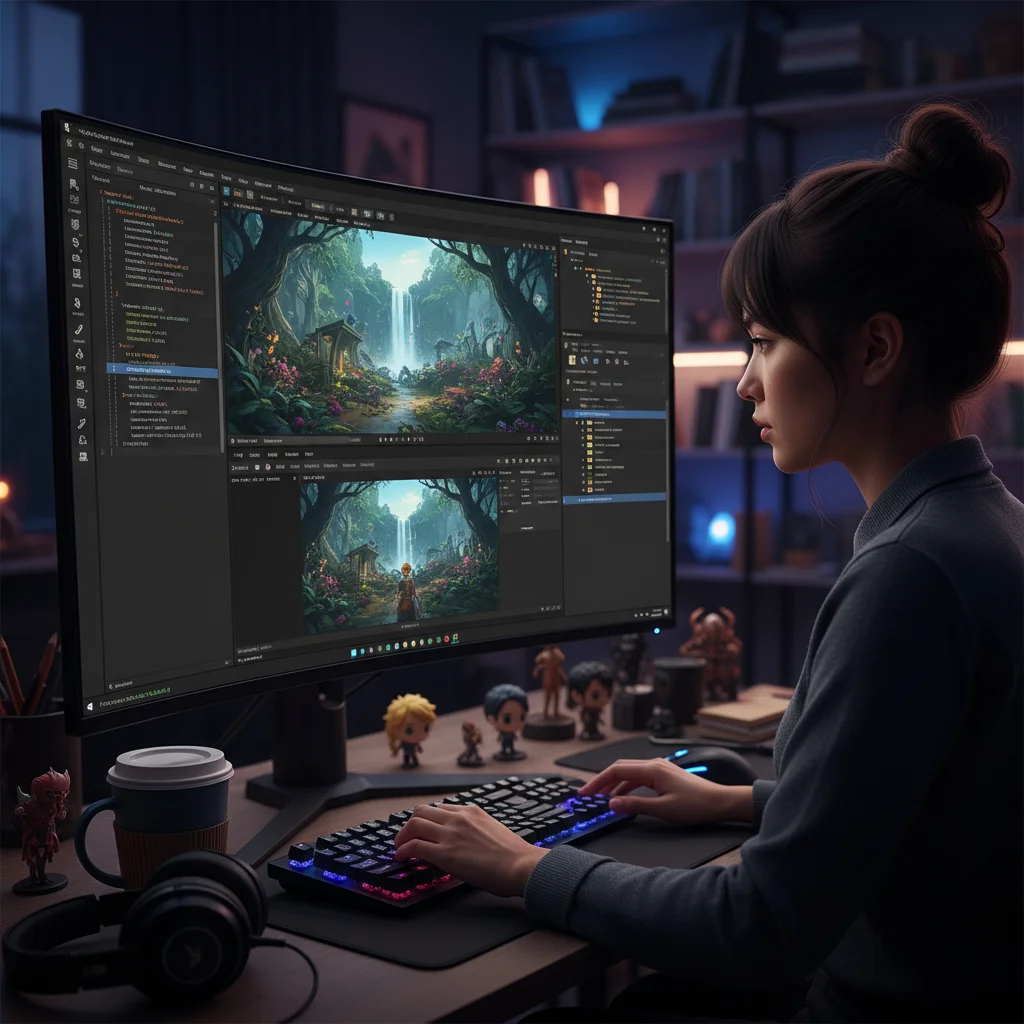
The advancements in Unreal Engine 6 and Unity’s latest iterations will have profound implications for game developers and the industry as a whole. While these powerful tools offer unprecedented creative freedom, they also present new challenges and opportunities.
Increased Fidelity, Increased Demands
The ability to create hyper-realistic graphics and complex simulations comes with a corresponding increase in the demand for high-quality assets and sophisticated design. Developers will need to invest more in detailed models, high-resolution textures, and intricate animations to fully leverage the capabilities of these new engines. This could lead to larger production teams and longer development cycles for AAA titles, further pushing the boundaries of what’s considered a ‘standard’ development budget.
However, the AI-powered content creation tools discussed earlier could help mitigate some of these demands, automating tedious tasks and allowing artists to focus on creative refinement rather than raw asset production. This balance between increased fidelity and enhanced productivity will be crucial for the sustainable growth of the industry.
New Skill Sets and Specialisations
As game engines evolve, so too must the skill sets of developers. Expertise in AI, machine learning, advanced physics simulations, and cloud-native development will become increasingly valuable. Educational institutions and training programs will need to adapt to prepare the next generation of game developers for these emerging technologies. We may see new specialisations emerge, such as ‘AI Game Designer’ or ‘Cloud Integration Engineer,’ reflecting the changing landscape of development roles.
Opportunities for Indie Developers
Despite the potential for increased complexity, these advancements also present significant opportunities for indie developers. The democratisation of powerful tools, coupled with AI assistance, can level the playing field, allowing smaller teams to achieve levels of visual fidelity and gameplay sophistication that were once exclusive to large studios. Platforms like Unity, with its continued focus on accessibility, will remain vital for fostering innovation in the indie scene.
Furthermore, the rise of procedural generation and AI-driven content creation can enable indie developers to create vast and dynamic worlds with fewer resources, focusing their efforts on unique gameplay mechanics and compelling narratives rather than brute-force asset creation. This transformative aspect of game engine evolution is particularly exciting for the independent sector.
Beyond Gaming: The Metaverse and Digital Twins
The capabilities of Unreal Engine 6 and Unity extend far beyond traditional gaming. These engines are foundational technologies for the emerging metaverse, enabling the creation of persistent, interconnected virtual worlds. From social experiences to virtual concerts and digital marketplaces, the metaverse will rely heavily on the real-time rendering and interactive capabilities of these engines.
Moreover, the concept of ‘digital twins’ – virtual replicas of physical assets, processes, or systems – is gaining traction in various industries. Unreal Engine and Unity are perfectly positioned to power these digital twins, offering highly accurate simulations for manufacturing, architecture, engineering, and urban planning. Imagine simulating an entire factory floor in real-time or designing a new city block with instant visual feedback and performance analysis. This broader application highlights the expansive impact of game engine evolution.
Conclusion: The Future is Interactive, Immersive, and Intelligent
The journey towards 2026 promises to be thrilling for anyone involved in or passionate about interactive entertainment. Unreal Engine 6 and Unity’s continuous advancements are not just about prettier graphics; they are about fundamentally transforming how we create, experience, and interact with digital worlds. From hyper-realistic visuals and physics to AI-driven content and dynamic narratives, these engines are paving the way for truly immersive and intelligent experiences.
The competition between these two giants will undoubtedly push each other to innovate further, benefiting developers and players alike. As we look ahead, the future of gaming and interactive media is one where the boundaries of imagination are increasingly the only limits. The ongoing game engine evolution is a testament to human ingenuity, pushing the frontiers of digital creativity and bringing us closer to virtual worlds indistinguishable from reality.