Retro Gaming Resurgence 2026: Why 10-Year-Old Titles Are Thriving
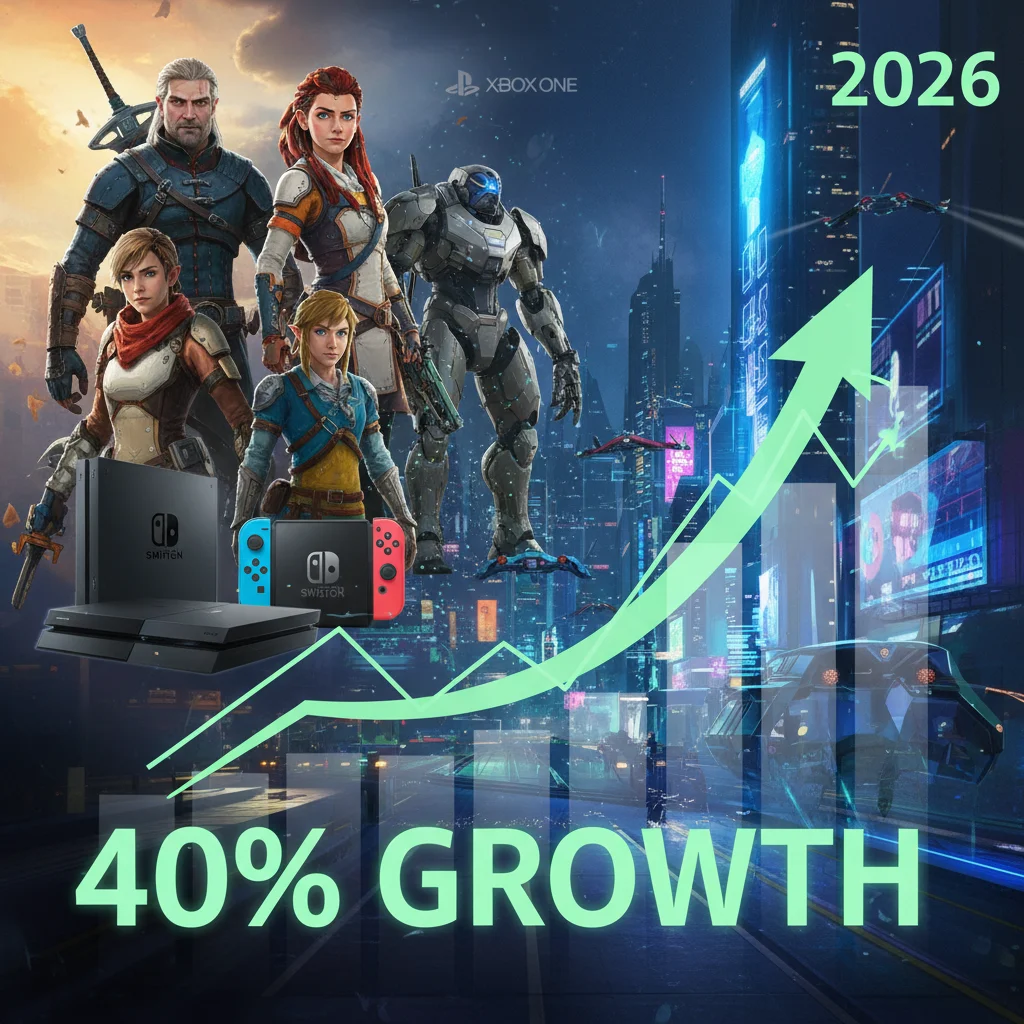
In the ever-evolving landscape of digital entertainment, where cutting-edge graphics and immersive virtual realities typically dominate headlines, an unexpected and compelling phenomenon has taken hold: the retro gaming resurgence. As we navigate through 2026, an astonishing trend has emerged, capturing the hearts and screens of millions. Data indicates a remarkable 40% increase in player numbers for video game titles that are now a decade old. This isn’t merely a fleeting fad; it represents a significant cultural shift, a powerful wave of nostalgia, and a testament to the enduring quality of games from a bygone era. Why are players, both new and old, flocking back to titles released in the mid-2010s? What makes these games so captivating that they can compete, and even thrive, against the technological marvels of today? This comprehensive exploration delves into the multifaceted reasons behind this fascinating retro gaming resurgence, examining the psychological, sociological, and technological factors at play. From the comforting embrace of nostalgia to the accessibility of emulators and re-releases, and the vibrant communities that have formed around these beloved classics, we will uncover the essence of why ten-year-old games are not just surviving but flourishing in 2026.
The Irresistible Pull of Nostalgia: A Comforting Escape
One of the most potent drivers behind the retro gaming resurgence is undeniably nostalgia. For many, titles from the mid-2010s represent a simpler time, a period free from the complexities and anxieties of modern life. These games evoke powerful memories of childhood or adolescence, of discovering new worlds, mastering challenging levels, and sharing experiences with friends and family. The emotional connection to these past experiences is profound. When players revisit these games, they’re not just engaging with pixels and code; they’re reliving cherished moments, tapping into a wellspring of comfort and familiarity. This psychological phenomenon is particularly relevant in 2026, a year that, like any other, undoubtedly comes with its own unique set of global and personal challenges. Escaping into a familiar, predictable, and often joyful digital world offers a much-needed respite, a mental vacation to a time when worries seemed smaller and possibilities endless.
Furthermore, this isn’t just about older generations returning to their roots. A significant portion of the new player base consists of younger gamers who are discovering these titles for the first time. For them, it’s a journey into gaming history, an exploration of the foundational experiences that shaped the industry. They are drawn to the unique aesthetics, gameplay mechanics, and storytelling of a different era, often appreciating the distinct charm that sets these games apart from contemporary blockbusters. This cross-generational appeal further solidifies the retro gaming resurgence, demonstrating that the allure of these games transcends age and initial exposure.
The mid-2010s, in particular, was a golden age for many genres. It saw the release of critically acclaimed RPGs, innovative indie titles, groundbreaking open-world adventures, and competitive multiplayer experiences that laid the groundwork for today’s esports scene. These games often boasted compelling narratives, memorable characters, and innovative gameplay loops that have stood the test of time. Their enduring quality ensures that even without the veneer of nostalgia, they offer a rich and rewarding experience, capable of captivating new audiences and reigniting the passion of returning players. The sheer volume of high-quality titles released during this period provides a vast library for players to explore, contributing significantly to the sustained interest in the retro gaming resurgence.
Accessibility and Availability: Lowering the Barrier to Entry
Another crucial factor fueling the retro gaming resurgence is the unprecedented accessibility of these older titles. In 2026, playing a ten-year-old game is often easier than ever before. Unlike the challenges of finding obscure cartridges or setting up vintage hardware in previous decades, modern technology has streamlined the process significantly. Digital storefronts, both official and unofficial, host vast libraries of classic games, often at affordable prices. Platforms like Steam, GOG, and various console marketplaces regularly feature sales and bundles that make acquiring these titles incredibly convenient.
Emulation has also played a pivotal role. Advanced emulators, often developed by dedicated communities, allow players to run games from almost any platform on their modern PCs, smartphones, or even dedicated emulation devices. These emulators often come with quality-of-life improvements, such as enhanced graphics, save states, and controller support, making the experience even more enjoyable than the original. While the legality of emulation can be a grey area, its widespread availability has undeniably lowered the barrier to entry for countless players eager to explore the history of gaming.
Furthermore, many publishers have recognized the growing demand for older titles and have actively contributed to the retro gaming resurgence through official re-releases, remasters, and even full-blown remakes. These updated versions often breathe new life into beloved classics, making them compatible with modern operating systems and hardware, and sometimes even adding new content or graphical enhancements. This dual approach – community-driven emulation and official publisher support – creates a highly accessible ecosystem where almost any ten-year-old game is within reach for interested players. This ease of access significantly contributes to the 40% increase in player numbers, as the friction between desire and play has been dramatically reduced.

Community and Content Creation: Fostering Engagement
The retro gaming resurgence isn’t just about individual play; it’s deeply intertwined with thriving online communities and a booming content creation scene. Social media platforms, forums, Discord servers, and streaming services are buzzing with activity centered around ten-year-old games. Players are sharing their experiences, strategies, speedruns, and fan art, creating a vibrant ecosystem that keeps these titles relevant and engaging. This communal aspect adds a significant layer of enjoyment, transforming solitary gaming into a shared cultural experience.
Content creators, particularly on platforms like YouTube and Twitch, have become instrumental in popularizing older games. Streamers playing through classic titles, speedrunners showcasing their mastery, and video essayists delving into the design philosophies of these games introduce them to new audiences and provide fresh perspectives for long-time fans. These creators often highlight hidden gems, reveal fascinating development stories, or offer comedic commentary that makes old games feel new again. The sheer volume of content dedicated to the retro gaming resurgence acts as a powerful discovery engine, drawing in curious viewers who then convert into players.
Moreover, the modding community continues to breathe new life into many of these older games. Fan-made patches, graphical overhauls, new levels, and even entirely new game modes extend the longevity and replayability of titles that might otherwise have faded into obscurity. This ongoing user-generated content ensures that even after a decade, these games continue to evolve and offer novel experiences, keeping the community engaged and attracting new participants to the retro gaming resurgence. The collaborative spirit of these communities underscores the enduring appeal of these games, proving that their cultural impact extends far beyond their initial release window.
Simplicity and Focused Design: A Refreshing Contrast
In an era where many modern games strive for hyper-realism, sprawling open worlds, and complex mechanics, the relative simplicity and focused design of ten-year-old titles offer a refreshing contrast. The mid-2010s often saw games that, while visually impressive for their time, prioritised engaging gameplay loops and tight narratives over sheer graphical fidelity or overwhelming feature sets. This focus on core mechanics and clear objectives can be incredibly appealing, especially for players feeling fatigued by the demands of contemporary gaming.
Many older games from this period presented a more straightforward challenge, often with clearer progression paths and less emphasis on microtransactions or endless grind. This directness allows players to jump in and enjoy the experience without feeling overwhelmed by tutorials, expansive menus, or the pressure to constantly optimize their loadouts. The learning curve is often gentler, making these games more approachable for casual players or those looking for a less demanding gaming session. This aspect is crucial for the retro gaming resurgence, as it broadens the appeal beyond hardcore enthusiasts.
Furthermore, the artistic styles prevalent in the mid-2010s – ranging from early adopters of stylised realism to the burgeoning indie scene’s embrace of pixel art and unique visual aesthetics – often possess a timeless quality. Unlike games that aimed for absolute realism and quickly became dated, titles with a strong artistic direction tend to age more gracefully. This visual charm, combined with solid gameplay, ensures that these games remain aesthetically pleasing and enjoyable even a decade later, further contributing to the sustained interest and the 40% increase in players observed in the retro gaming resurgence. The deliberate design choices of that era resonate powerfully with today’s audience seeking authentic and carefully crafted experiences.
Economic Factors: Value and Affordability
Economic considerations also play a significant role in the retro gaming resurgence. In 2026, the cost of new triple-A titles can be substantial, often requiring significant upfront investment in both the game itself and the hardware to run it optimally. Ten-year-old games, by contrast, are typically much more affordable. As mentioned, they are frequently available at discounted prices on digital storefronts, and their system requirements are generally far less demanding, meaning players can enjoy them on older or less powerful hardware.
This cost-effectiveness makes retro gaming an attractive option for a wide demographic, including budget-conscious gamers, students, or those who simply prefer to spend less on their entertainment. The perceived value is high: for a fraction of the cost of a new release, players can access a vast library of acclaimed titles that offer hundreds, if not thousands, of hours of gameplay. This economic advantage is a powerful motivator, especially when combined with the other factors driving the retro gaming resurgence.
Moreover, the absence of aggressive monetisation schemes, loot boxes, or battle passes that are common in many modern titles can be a breath of fresh air for players. Many games from the mid-2010s offered complete experiences out of the box, with all content accessible through gameplay rather than additional purchases. This straightforward pricing model and the sense of completeness contribute to a more satisfying consumer experience, further cementing the appeal of these older games and contributing to their remarkable player growth in the retro gaming resurgence. It’s a return to a time when the initial purchase guaranteed a full and uncompromised gaming adventure.

The Enduring Power of Storytelling and Innovation
Beyond nostalgia and accessibility, the sheer quality of storytelling and the innovative spirit present in many mid-2010s titles are undeniable contributors to the retro gaming resurgence. This period was marked by a significant maturation of video game narratives, with developers pushing the boundaries of interactive storytelling. Games from this era often explored complex themes, featured nuanced characters, and presented players with meaningful choices that impacted the narrative.
These compelling stories resonate deeply with players, offering experiences that are often as rich and impactful as those found in literature or film. The ability to immerse oneself in a well-crafted world, follow a captivating plot, and connect with memorable characters is a timeless draw, regardless of a game’s age. The emotional investment generated by these narratives ensures that players return to these titles years later, eager to re-experience their favorite moments or discover new layers of meaning.
Furthermore, the mid-2010s was a period of significant innovation in game design. Developers were experimenting with new mechanics, genre blending, and unique artistic expressions. Indie games, in particular, flourished, offering fresh perspectives and challenging established conventions. Many of these innovative titles introduced concepts that are now commonplace in modern gaming, making them historically significant and still enjoyable to play today. The blend of strong narratives and groundbreaking mechanics ensures that these ten-year-old games offer enduring value, solidifying their place in the ongoing retro gaming resurgence and explaining their remarkable 40% surge in player numbers.
Technological Advancements and Preservation Efforts
It’s somewhat ironic that modern technological advancements are a key factor in the retro gaming resurgence. High-definition displays, powerful processors, and advanced operating systems in 2026 provide the ideal environment for experiencing older games, often enhancing them beyond their original capabilities. Compatibility layers, API wrappers, and community patches ensure that games designed for older systems run smoothly and look surprisingly good on contemporary hardware. This technological bridge effectively closes the gap between past and present, making the transition seamless for players.
Beyond individual efforts, the broader movement of video game preservation has also contributed significantly. Organizations, museums, and dedicated groups are working tirelessly to archive, document, and make playable historical video games. This collective effort ensures that titles from the mid-2010s, and indeed all eras, are not lost to time. As these preservation efforts gain momentum and visibility, they naturally draw attention to older games, encouraging both academic interest and casual play. This institutional support helps to legitimize and popularize the retro gaming resurgence, transforming it from a niche hobby into a recognized cultural phenomenon.
The synergy between individual players seeking nostalgic experiences, content creators showcasing classic titles, and preservationists ensuring their longevity creates a self-reinforcing cycle. Modern technology provides the means, preservation efforts provide the access, and passionate communities provide the continued interest, all contributing to the robust health of the retro gaming resurgence. This ecosystem is a powerful testament to the enduring appeal and cultural significance of video games as an art form and entertainment medium.
The Future of Retro Gaming: Sustained Growth?
Given the current trajectory, the retro gaming resurgence shows no signs of slowing down. The 40% increase in player numbers for ten-year-old titles is a strong indicator that this trend is deeply rooted and multifaceted. As gaming continues to evolve, the appeal of looking back will likely remain a constant. The cycle of nostalgia ensures that games from every era will eventually find their audience again, propelled by new generations discovering classics and older generations revisiting cherished memories.
Developers and publishers are also likely to continue investing in re-releases, remasters, and even spiritual successors to popular retro titles, further fueling the market. The success of these older games serves as a reminder that innovative gameplay and compelling narratives can transcend graphical limitations and technological obsolescence. It encourages a broader appreciation for the history of gaming and fosters a more diverse and inclusive gaming landscape.
In conclusion, the retro gaming resurgence of 2026 is a fascinating and complex phenomenon. It is a testament to the timeless appeal of well-designed games, the powerful pull of nostalgia, the democratizing effect of technology, and the strength of dedicated communities. As we look ahead, it’s clear that the pixels of the past will continue to shine brightly, offering endless hours of enjoyment and reminding us that truly great games never truly die. The mid-2010s, once merely a chapter in gaming history, have now become a vibrant and active playground for millions, proving that sometimes, the best way forward is to take a joyful step back.