AI Revolutionising Game Development: Cutting Cycles by 20% by 2026
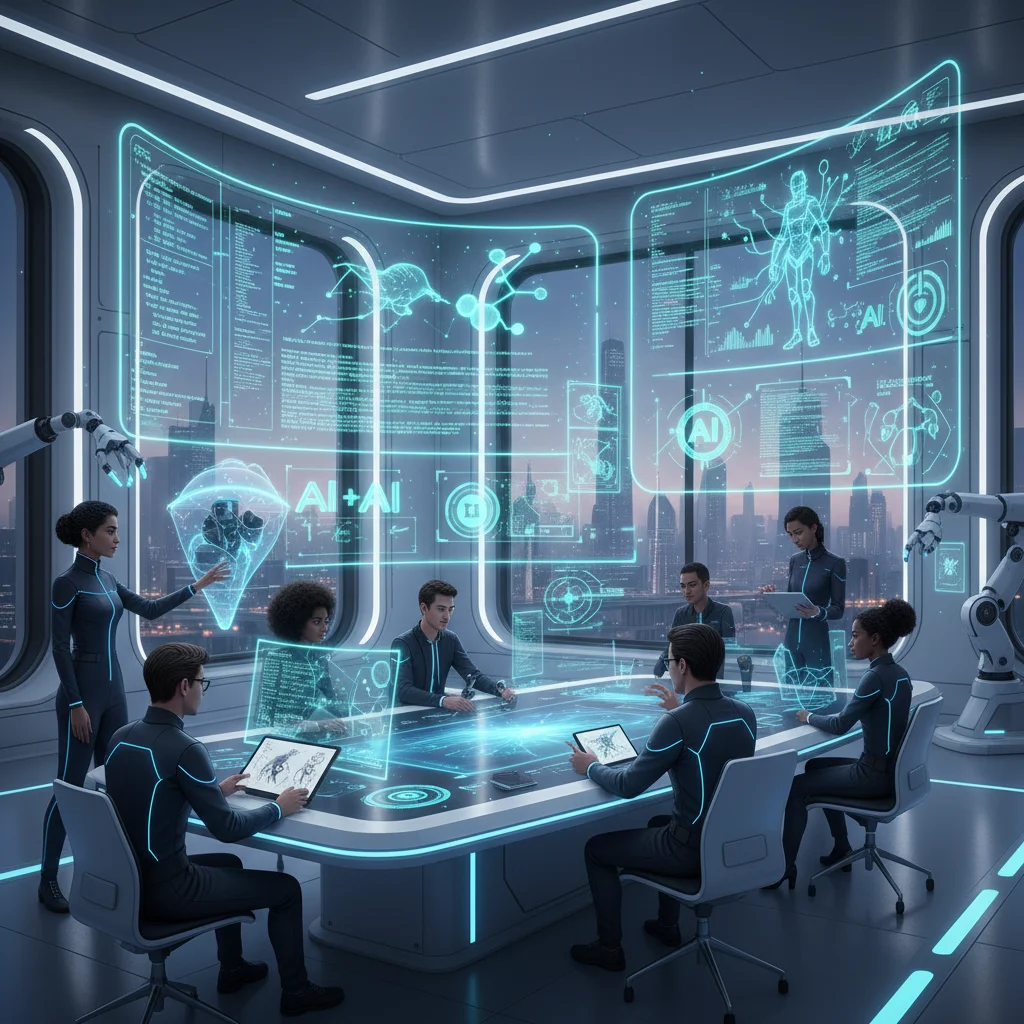
The landscape of game development is on the cusp of a profound transformation, largely driven by the accelerating integration of Artificial Intelligence (AI). This isn’t merely an incremental improvement; it’s a paradigm shift poised to redefine how games are conceived, created, and delivered. By 2026, industry experts predict that AI will reduce overall game development cycles by an estimated 20%, a figure that underscores the immense potential and tangible benefits AI brings to the table. This reduction is not just about speed; it’s about fostering greater innovation, enabling smaller teams to achieve more, and ultimately, delivering richer, more engaging experiences to players.
The impact of AI on game development is multifaceted, touching every stage of the production pipeline, from initial concept and design to asset creation, testing, and even post-launch support. For decades, game development has been a labour-intensive process, often fraught with delays, budget overruns, and the inherent complexities of managing vast creative and technical teams. AI offers a powerful antidote to many of these challenges, automating repetitive tasks, optimising workflows, and providing intelligent assistance that augments human creativity rather than replacing it. This article delves into the various ways AI is set to revolutionise the industry, focusing on how this technology will drive down development times, enhance quality, and open new avenues for creative expression in the coming years.
The Core Drivers: How AI Streamlines Development
To understand how AI will achieve a 20% reduction in development cycles, it’s crucial to examine the specific areas where its influence is most potent. The primary drivers of this efficiency gain lie in automation, intelligent assistance, and predictive analytics.
Automated Content Generation and Asset Creation
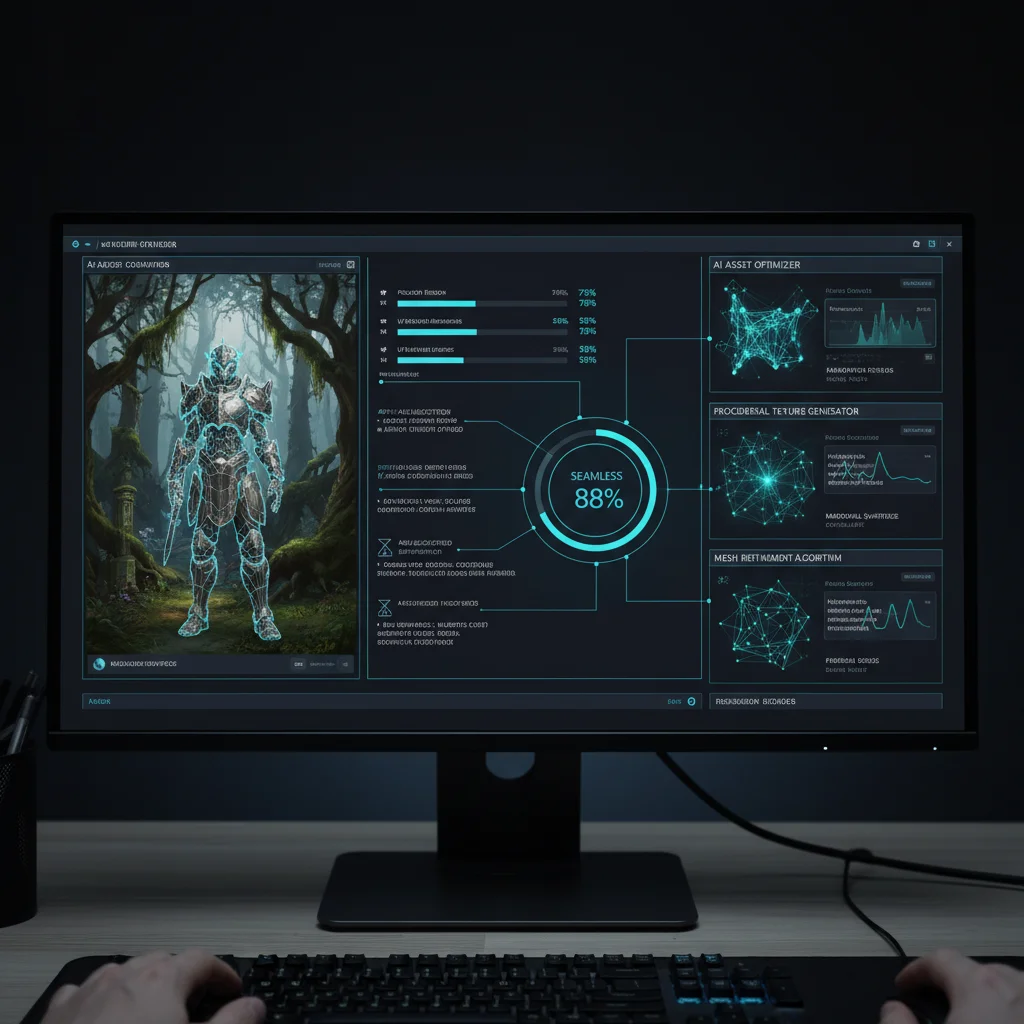
One of the most time-consuming aspects of game development is the creation of assets: 3D models, textures, animations, sound effects, and dialogue. Traditionally, these elements require significant artistic talent and countless hours of manual labour. AI is rapidly changing this. Generative AI models can now produce high-quality assets with remarkable speed and consistency.
For instance, AI-powered tools can generate intricate 3D environments based on simple prompts, or create variations of character models and props, significantly reducing the burden on environmental artists and modellers. Texture generation, a process that once involved meticulous hand-painting or photogrammetry, can now be largely automated, with AI creating realistic and stylised textures that seamlessly integrate into the game world. Similarly, AI can assist in generating animations, from basic movement cycles to complex facial expressions, by learning from existing animation data and applying it to new characters or scenarios. This accelerates the pre-production and production phases, allowing artists to focus on refining unique elements rather than mundane, repetitive tasks. The impact of AI Game Development Impact here is profound, freeing up valuable human resources for more strategic and creative endeavours.
Procedural Generation Enhanced by AI
While procedural generation has existed in games for some time, AI takes it to an entirely new level. Instead of relying on static algorithms, AI-driven procedural generation can learn from player behaviour, design principles, and existing content to create more dynamic, engaging, and contextually relevant game worlds. This means AI can generate not just random terrain, but entire levels, quests, and even narrative elements that adapt to the player’s progress and choices. This capability dramatically reduces the manual effort required for level design and content creation, especially in open-world games or titles with high replayability. The efficiency gains in this area alone contribute significantly to shortening development cycles.
Accelerating Game Design and Prototyping
The initial stages of game development, encompassing design and prototyping, are critical for establishing the core mechanics and overall vision. AI is proving to be an invaluable tool for accelerating these foundational processes.
AI-Powered Design Assistance
AI can act as an intelligent assistant for game designers, suggesting new mechanics, optimising existing ones, and even predicting potential player reactions. By analysing vast datasets of game design patterns, player feedback, and successful game elements, AI can offer insights that might otherwise take extensive experimentation and playtesting to uncover. This proactive approach helps designers identify promising avenues and discard less effective ideas early in the cycle, saving considerable time and resources. Imagine an AI suggesting a balanced weapon system or an engaging puzzle mechanic based on the game’s genre and target audience – this is the future AI is building.
Rapid Prototyping with AI
Creating prototypes to test core gameplay loops is a fundamental part of development. AI can significantly speed up this process by automating the creation of placeholder assets, basic level layouts, and even rudimentary AI for non-player characters (NPCs). This allows designers to quickly iterate on ideas, test hypotheses, and gather early feedback without waiting for polished assets or complex systems to be fully developed. The ability to rapidly prototype, test, and refine concepts is a direct contributor to the projected 20% reduction in development cycles, as it minimises the risk of pursuing unviable ideas too far into production. The overall AI Game Development Impact on this stage is revolutionary.
Revolutionising Quality Assurance and Testing
Testing is notoriously one of the most time-consuming and resource-intensive phases of game development. Identifying and fixing bugs, ensuring balance, and optimising performance require countless hours of manual playtesting and sophisticated QA processes. AI is poised to transform this bottleneck.
Automated AI Playtesting
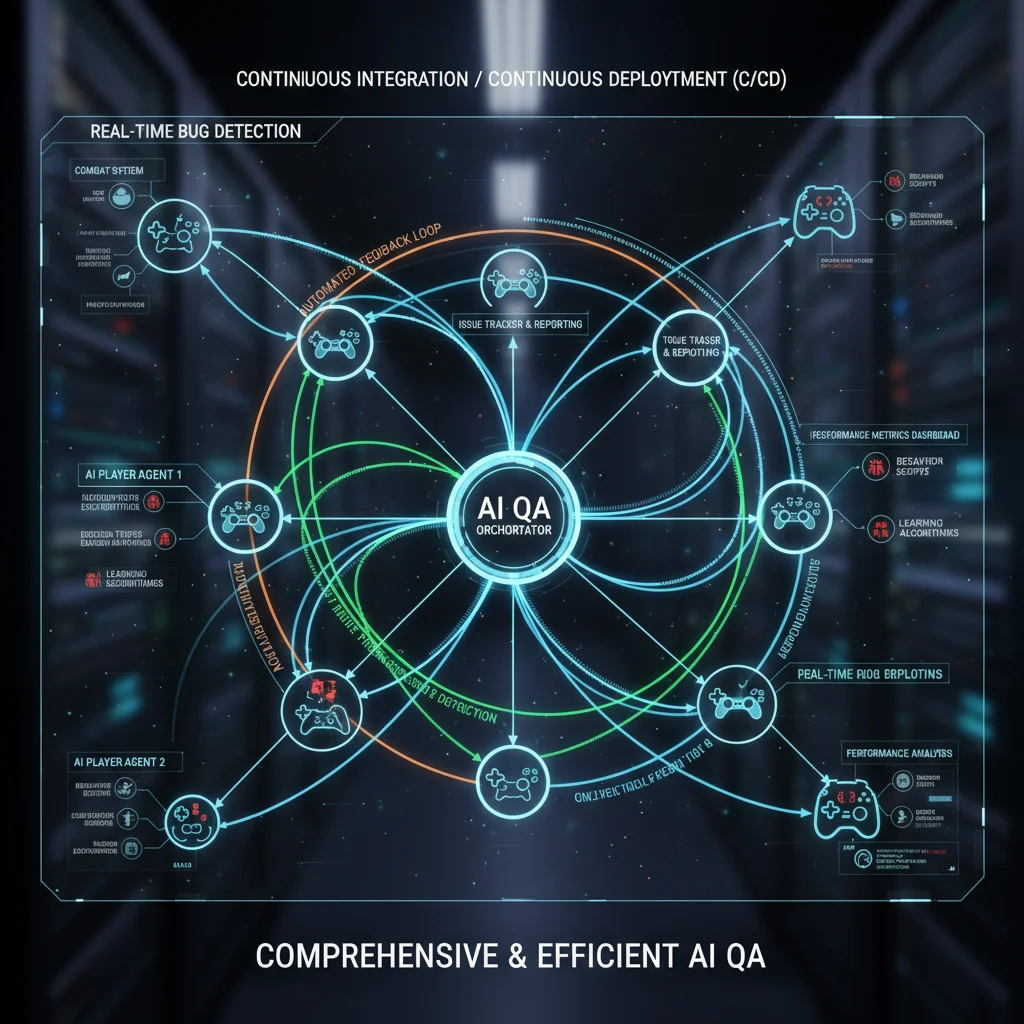
Traditional QA often involves human testers repeatedly playing through sections of a game, attempting to break it or find glitches. AI can automate this process with unparalleled efficiency. AI agents can be trained to play games autonomously, navigating levels, interacting with game mechanics, and performing actions far more consistently and rapidly than any human. These agents can identify bugs, expose exploits, and report on performance issues across a multitude of scenarios, often discovering problems that might be missed by human testers.
Furthermore, AI can be trained to perform ‘fuzz testing’, where it inputs random or unexpected actions to stress-test the game’s systems and uncover edge cases that could lead to crashes or unexpected behaviour. This significantly reduces the time spent on manual testing, allowing human QA specialists to focus on more nuanced issues like player experience, narrative coherence, and overall game feel. The efficiency gains here are enormous, directly contributing to the accelerated development timelines.
Predictive Bug Detection and Optimisation
Beyond simply finding bugs, AI can also predict where bugs are likely to occur based on code patterns, historical data, and changes made during development. Machine learning algorithms can analyse game codebases and identify areas of high complexity or frequent modifications that are prone to errors. This allows developers to proactively address potential issues before they even manifest as bugs, further streamlining the QA process. AI can also assist in performance optimisation by identifying resource-intensive areas of the game and suggesting code improvements or asset optimisations. This predictive capability is a game-changer for maintaining code quality and ensuring a smooth, performant game experience.
Enhancing Player Experience and Personalisation
While the focus on reducing development cycles is primarily on efficiency, AI also plays a crucial role in enhancing the final product, leading to more engaging and personalised player experiences. This, in turn, can reduce post-launch development for patches and content updates that address player dissatisfaction.
Dynamic AI for NPCs and World Interaction
AI can create more believable and responsive non-player characters (NPCs). Instead of following rigid scripts, AI-powered NPCs can exhibit more complex behaviours, adapt to player actions, and even learn from their environment. This leads to more dynamic quests, emergent gameplay scenarios, and a richer, more immersive game world. Imagine NPCs remembering past interactions, reacting realistically to environmental changes, or even forming alliances and rivalries among themselves. This level of dynamic interaction enhances replayability and keeps players engaged for longer periods.
Personalised Content and Adaptive Difficulty
AI can tailor the game experience to individual players. By analysing player data—such as playstyle, skill level, preferences, and progress—AI can dynamically adjust difficulty, recommend content, or even subtly alter narrative paths. For a new player, this might mean a gentler learning curve; for a veteran, it could mean more challenging encounters. This level of personalisation ensures that each player receives an optimal experience, reducing frustration and increasing enjoyment. This adaptive quality contributes indirectly to shorter development cycles by reducing the need for multiple fixed difficulty settings or extensive manual balancing. The positive AI Game Development Impact on player retention is a major benefit.
Overcoming Challenges and Ethical Considerations
While the benefits of AI in game development are clear, its widespread adoption also comes with challenges and ethical considerations that need to be addressed.
Data Dependency and Training
AI models require vast amounts of high-quality data for training. For asset generation, this means large libraries of 3D models, textures, and animations. For AI playtesting, it requires data from human gameplay sessions or simulated environments. Acquiring, curating, and labelling this data can be a significant undertaking. Developers will need to invest in robust data pipelines and potentially collaborate to build shared datasets to fully leverage AI’s capabilities.
Job Displacement and Reskilling
The automation brought by AI will undoubtedly change the nature of many roles within game development. While AI is unlikely to fully replace human creativity, certain repetitive tasks performed by junior artists, animators, and QA testers may be taken over by machines. This necessitates a proactive approach to reskilling and upskilling the workforce, focusing on roles that involve AI supervision, prompting, ethical oversight, and higher-level creative direction. The industry must prepare for this shift to ensure a smooth transition and harness the full potential of human-AI collaboration.
Ethical AI and Bias
AI models are only as unbiased as the data they are trained on. If training data contains biases, these biases can be perpetuated or even amplified in AI-generated content. This is particularly critical in character design, narrative elements, and representation within games. Developers must implement rigorous ethical guidelines and auditing processes to ensure that AI-generated content is fair, inclusive, and free from harmful stereotypes. The responsible deployment of AI is paramount to maintaining trust and fostering a positive gaming environment.
The Future Landscape: Beyond 2026
The projected 20% reduction in development cycles by 2026 is just the beginning. As AI technology continues to mature, its integration into game development will deepen and become even more sophisticated. We can anticipate several key trends emerging beyond this initial phase.
Smarter AI Co-Creativity
Future AI systems will move beyond automation to become true co-creators. Imagine an AI that can understand complex creative briefs, generate multiple design concepts, and even engage in iterative feedback loops with human designers. This level of collaboration will push the boundaries of what’s possible in game design, allowing for unprecedented levels of complexity and innovation without proportional increases in development time.
Hyper-Personalised Game Worlds
The concept of personalised content will evolve into hyper-personalised game worlds. AI will be able to dynamically generate entire game experiences tailored to an individual player’s mood, cognitive state, and even biometric data. This could lead to games that adapt not just difficulty, but also narrative tone, environmental aesthetics, and even character relationships in real-time, offering a truly unique experience for every playthrough.
AI-Driven Marketing and Monetisation
Beyond development, AI will increasingly impact game marketing and monetisation strategies. AI can analyse player data to identify optimal times for content releases, personalise marketing messages, and even suggest dynamic pricing models for in-game purchases. This data-driven approach will maximise player engagement and revenue, creating a more sustainable ecosystem for game developers.
Reduced Entry Barriers for Indie Developers
One of the most exciting long-term prospects of AI in game development is the potential to significantly lower the barrier to entry for independent developers. With AI automating many of the technical and artistic hurdles, small teams or even individual creators will be able to produce games of a quality and scope that were previously only achievable by large studios. This democratisation of game creation could lead to an explosion of creativity and diverse gaming experiences, fostering a vibrant and innovative indie scene. The long-term AI Game Development Impact on the industry’s structure will be monumental.
Conclusion: A New Era for Game Development
The integration of AI into game development is not a distant dream but a rapidly unfolding reality. The prediction of a 20% reduction in development cycles by 2026 is a conservative estimate of the transformative power AI holds. From automating asset creation and accelerating prototyping to revolutionising quality assurance and enhancing player experiences, AI is fundamentally reshaping the entire development pipeline. While challenges related to data, job roles, and ethics need careful navigation, the benefits—in terms of efficiency, innovation, and creative freedom—are undeniable.
Game developers who embrace AI will be better positioned to deliver higher quality games faster, more cost-effectively, and with greater appeal to a diverse global audience. The future of game development is one where human creativity is amplified by intelligent machines, leading to a new era of interactive entertainment that is richer, more dynamic, and more accessible than ever before. This profound AI Game Development Impact will not only change how games are made but also how we experience them, paving the way for truly remarkable digital worlds.