Gaming Chair Ergonomics 2026: Ultimate Comfort & Performance

The Evolution of Gaming Chairs: Ergonomic Innovations and 4 Key Features for 2026 Comfort
The world of gaming has evolved dramatically, transforming from a casual pastime into a serious profession for many. With this transformation comes an increased demand for equipment that not only enhances performance but also safeguards the health and well-being of players. At the forefront of this evolution is the gaming chair, a piece of furniture that has transcended its initial role as a mere seat to become a sophisticated ergonomic instrument. As we look towards 2026, the focus on gaming chair ergonomics is sharper than ever, promising unparalleled comfort, support, and technological integration.
Gone are the days when a basic office chair sufficed for marathon gaming sessions. Today’s gamers, from casual enthusiasts to professional esports athletes, understand the critical importance of proper posture, spinal health, and sustained comfort. The market is burgeoning with innovations, each designed to address the unique physical demands placed on the human body during extended periods of intense focus and rapid movement. This article delves into the cutting-edge advancements in gaming chair ergonomics, highlighting the four key features that will define comfort and performance in 2026.
Understanding the Core of Gaming Chair Ergonomics
Before we explore the future, it’s essential to understand what gaming chair ergonomics truly means. Ergonomics, in general, is the science of designing and arranging things people use so that the people and things interact most efficiently and safely. For gaming chairs, this translates into a design that supports the natural curvature of the spine, promotes healthy blood circulation, reduces pressure points, and allows for dynamic movement without compromising stability. The goal is to minimise fatigue, prevent musculoskeletal disorders, and ultimately, enhance a gamer’s focus and reaction times.
The human body is not designed for prolonged static sitting. Repetitive strain injuries (RSIs), back pain, neck pain, and even carpal tunnel syndrome are common ailments among gamers and office workers alike. A truly ergonomic gaming chair mitigates these risks by adapting to the user’s body, rather than forcing the user to adapt to the chair. This adaptability is key to the advancements we’re seeing, pushing beyond simple adjustability to a more intuitive, responsive, and personalised experience. The future of gaming chair ergonomics is about proactive health management, not just reactive comfort.
The Scientific Basis of Comfort and Support
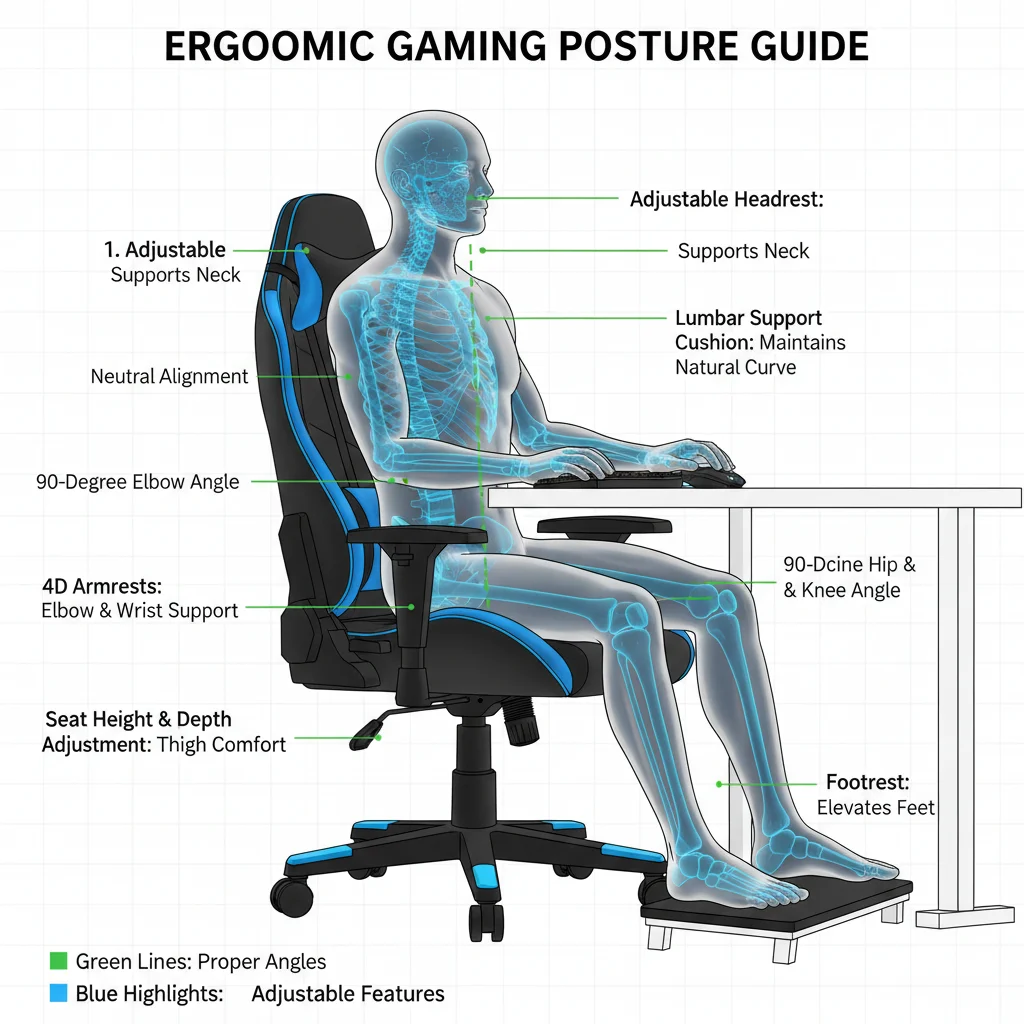
The design principles behind advanced gaming chair ergonomics are rooted in biomechanics, anthropometry, and physiology. Designers consider the average human body dimensions, how the body moves during gaming, and the physiological impact of prolonged sitting. This involves detailed studies of spinal alignment, muscle engagement, and pressure distribution. For instance, maintaining the natural ‘S’ curve of the spine is paramount. Lumbar support, therefore, isn’t just a cushion; it’s a carefully engineered system designed to keep the lower back in its optimal position, preventing slouching and reducing disc compression.
Similarly, seat pan design is crucial. A well-designed seat pan distributes weight evenly across the thighs and buttocks, preventing undue pressure on the sciatic nerve and improving blood flow to the legs. Armrests are no longer just for resting arms; they are articulately designed to support the forearms, shoulders, and neck, allowing gamers to maintain a relaxed posture while operating their mouse and keyboard. Every element of a modern gaming chair, from the headrest to the base, is meticulously crafted with the user’s long-term health and performance in mind. This holistic approach is what sets leading ergonomic designs apart, making gaming chair ergonomics a central pillar of a healthy gaming lifestyle.
Key Feature 1: Adaptive Lumbar and Cervical Support Systems
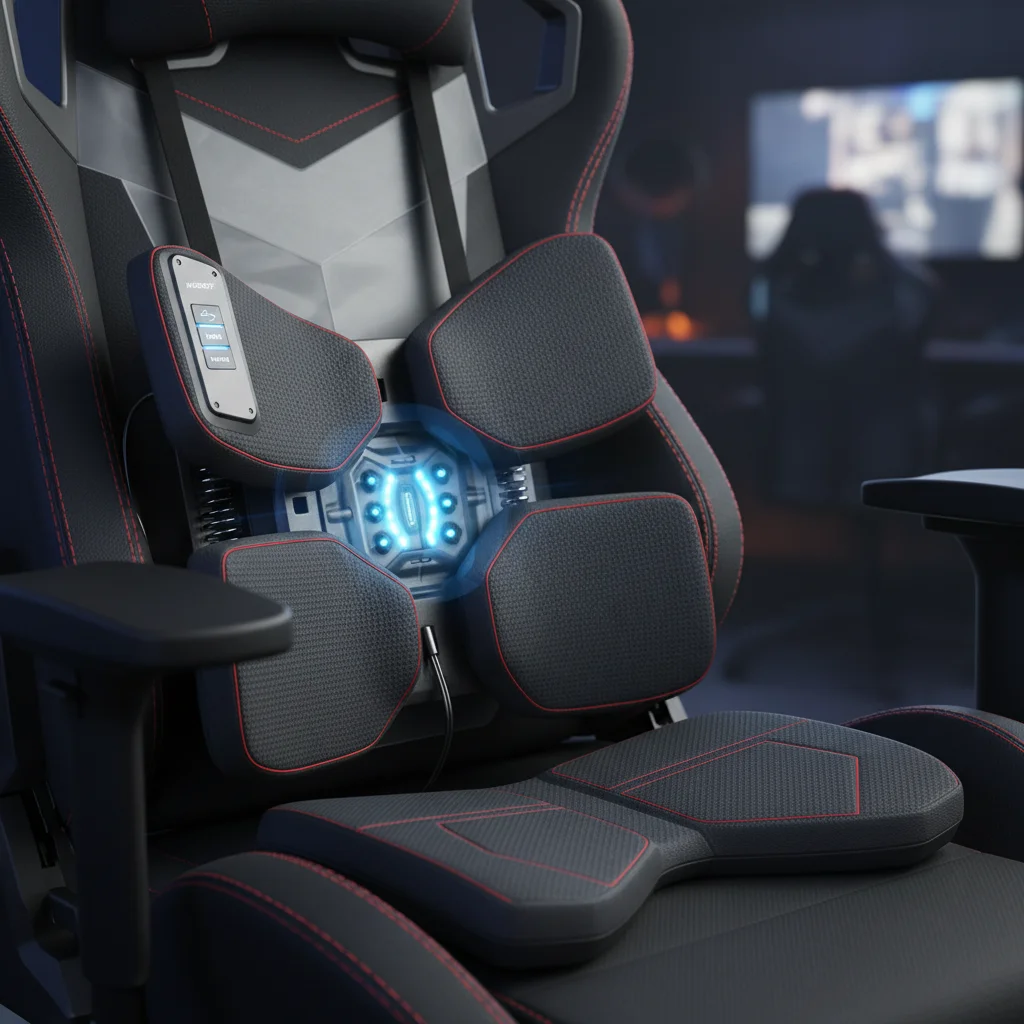
One of the most significant advancements in gaming chair ergonomics for 2026 lies in its adaptive support systems. Static lumbar and cervical pillows are becoming relics of the past. The new generation of chairs features dynamic, self-adjusting mechanisms that respond to the user’s movements and body shape in real-time. Imagine a chair that intuitively understands when you lean forward in intense focus or recline during a brief pause, adjusting its support to maintain optimal spinal alignment continuously.
These systems often incorporate pressure sensors and AI algorithms to predict and adapt to postural changes. Some advanced models even use pneumatic or motorised components that can subtly shift the shape and firmness of the support areas. This ensures that the natural ‘S’ curve of the spine is always maintained, significantly reducing the risk of lower back pain and neck strain. The cervical support is equally sophisticated, cradling the neck and head without pushing it forward, a common flaw in older designs. This proactive approach to support is a game-changer for long gaming sessions, making gaming chair ergonomics truly intelligent.
The Technology Behind Dynamic Support
The technology enabling these adaptive systems is a blend of mechanical engineering, sensor technology, and sometimes even haptic feedback. Miniature air bladders, similar to those found in high-end office chairs, can inflate and deflate to conform to the user’s back. Pressure mapping sensors embedded within the chair’s fabric detect areas of high pressure, prompting adjustments to redistribute weight more evenly. Some chairs are even integrating small, silent motors that can subtly shift the internal structure of the foam or mesh to provide targeted support where it’s needed most.
Furthermore, connectivity plays a role. Certain chairs might connect to a companion app on a smartphone or PC, allowing users to fine-tune their preferences or even receive recommendations based on their typical sitting patterns. This data-driven approach to comfort allows for an unprecedented level of personalization, transforming the chair from a static piece of furniture into an active participant in the gamer’s well-being. The synergy of these technologies ensures that the adaptive lumbar and cervical support systems are not just a gimmick but a fundamental improvement in gaming chair ergonomics.
Key Feature 2: Advanced Material Science for Breathability and Pressure Relief
The materials used in gaming chairs are undergoing a revolution. Traditional PU leather, while aesthetically pleasing, often suffers from poor breathability, leading to discomfort during extended use. 2026 will see a widespread adoption of advanced textiles and foams specifically engineered for superior breathability, moisture-wicking properties, and exceptional pressure relief. Think of multi-layered mesh fabrics that allow for maximum airflow, combined with adaptive memory foams that contour to the body while dissipating heat.
Innovations include phase-change materials embedded in foam, which absorb and release heat to regulate temperature, keeping the user cool. There are also self-healing foams that retain their shape and support characteristics over prolonged periods, resisting compression and sagging. These materials not only enhance comfort but also contribute to the longevity of the chair, making it a sustainable investment. The focus on material science ensures that the physical interaction with the chair is always pleasant, even during the most intense gaming marathons. This dedication to material innovation is integral to superior gaming chair ergonomics.
Beyond Traditional Foams and Fabrics
The next generation of gaming chairs will feature materials that are not only comfortable but also smart. Imagine fabrics that are antimicrobial, preventing the build-up of bacteria and odours, or stain-resistant coatings that make maintenance a breeze. Some research even explores the integration of conductive fabrics that can monitor vital signs or provide gentle electrical stimulation to reduce muscle fatigue, though these are still largely experimental.
Gel-infused foams are becoming more common, offering a cooler sitting experience and superior pressure distribution compared to standard high-density foam. Furthermore, the construction of the chair frames themselves is evolving, with lighter yet stronger composite materials replacing heavier steel, making chairs easier to move and adjust without sacrificing durability. The synergy of these material advancements results in a chair that is not only robust but also incredibly user-friendly and hygienic, redefining what’s possible in gaming chair ergonomics.
Key Feature 3: Hyper-Adjustable 4D/5D Armrests and Integrated Controls
Armrests are no longer simple fixtures; they are critical components of a comprehensive ergonomic setup. By 2026, hyper-adjustable 4D and even 5D armrests will be standard, offering an unprecedented range of motion: up/down, forward/backward, pivot in/out, and even angle left/right. The 5th dimension might involve a slight rotational capability or a dynamic height adjustment that responds to the user’s arm movements. This extensive adjustability ensures that gamers can find the perfect support for their forearms and wrists, reducing strain on shoulders and neck, regardless of their desk height or input device setup.
Beyond adjustability, these armrests will integrate controls for various chair functions. Imagine adjusting your recline, lumbar support, or even activating a subtle vibration massage directly from a button or touch panel on your armrest. This seamless integration of controls enhances convenience and allows for quick adjustments without interrupting gameplay. Furthermore, some armrests might feature modular attachments, allowing users to add cup holders, phone stands, or even small accessory trays, further customising their gaming environment. This level of user-centric design makes gaming chair ergonomics incredibly intuitive.
The Future of Armrest Interaction
The evolution of armrests isn’t just about more movement; it’s about smarter interaction. Haptic feedback might be integrated into armrest controls, providing tactile confirmation for adjustments without needing to look away from the screen. Wireless charging pads could be built into the armrest surface, allowing gamers to keep their smartphones or other devices topped up during long sessions.
Some innovative designs might even feature pressure-sensitive surfaces that can be programmed for in-game commands, offering an additional layer of control for complex simulations or strategy games. The modularity aspect is also crucial; imagine being able to swap out different armrest tops for varying levels of cushioning or material finishes. This adaptability ensures that the armrests are not just supportive but also integral to the overall gaming experience, demonstrating the depth of thought going into gaming chair ergonomics.
Key Feature 4: Integrated Health Monitoring and Biofeedback Systems
Perhaps the most revolutionary aspect of gaming chair ergonomics for 2026 will be the integration of health monitoring and biofeedback systems. Chairs will no longer just support your body; they will actively monitor it. Sensors embedded within the seat and backrest could track heart rate, breathing patterns, and even subtle changes in posture that indicate fatigue or stress. This data could then be used to provide real-time feedback to the gamer, perhaps through gentle vibrations, visual cues on an app, or even subtle audio prompts.
Imagine a chair that detects you’ve been sitting in a suboptimal posture for too long and gently reminds you to adjust, or one that senses rising stress levels and initiates a calming vibration pattern. Some chairs might even offer guided stretching routines or suggest short breaks based on your biometric data. This proactive approach to health and wellness transforms the gaming chair into a personal health coach, ensuring that gamers maintain peak physical and mental condition during their sessions. This blend of technology and wellness elevates gaming chair ergonomics to an entirely new level.
Personalised Wellness Through Data
The data collected by these biofeedback systems could be invaluable for long-term health management. Users could track their postural habits over time, identify patterns that lead to discomfort, and make informed adjustments to their gaming setup or routine. This data could also be anonymised and aggregated to further refine future gaming chair designs, creating a feedback loop that continually improves gaming chair ergonomics for everyone.
Beyond simple monitoring, some advanced systems might offer personalised recommendations for hydration, nutrition, or even mental breaks tailored to the individual’s physiological responses during gameplay. The integration could extend to smart home ecosystems, perhaps dimming lights or playing ambient sounds when stress levels are detected. The potential for these systems is vast, moving beyond mere physical support to holistic well-being, making the gaming chair an indispensable tool for serious gamers.
The Broader Impact of Advanced Gaming Chair Ergonomics
The advancements in gaming chair ergonomics are not just about individual comfort; they have broader implications for the entire gaming industry. For esports, where fractions of a second and sustained focus can mean the difference between victory and defeat, an ergonomic chair is a performance enhancer. Reducing fatigue and discomfort allows players to maintain peak cognitive function and reaction times for longer, directly translating to improved in-game performance.
For casual gamers, these innovations mean a healthier, more enjoyable experience. The barrier to entry for long gaming sessions becomes lower when physical discomfort is no longer a major concern. This could lead to a broader appeal for gaming as a hobby, as more people can engage without fear of physical repercussions. Furthermore, the technologies developed for gaming chairs often trickle down into general office furniture, benefiting a much wider population that spends significant time sitting. The focus on gaming chair ergonomics is therefore not just for gamers, but for anyone who values health and comfort in a seated environment.
Sustainability and Ethical Considerations in Design
As gaming chair ergonomics evolves, so too does the industry’s awareness of sustainability and ethical considerations. Future chairs will likely incorporate more recycled and sustainably sourced materials, reducing their environmental footprint. Manufacturers are also focusing on modular designs, allowing components to be easily replaced or upgraded, thereby extending the lifespan of the chair and reducing waste.
Ethical manufacturing practices, including fair labour standards, are also gaining prominence. Consumers are increasingly demanding transparency from brands, and this trend will undoubtedly influence the design and production of gaming chairs. A truly advanced ergonomic chair in 2026 will not only be comfortable and technologically sophisticated but also responsibly produced. This holistic approach ensures that the benefits of improved gaming chair ergonomics extend beyond the user to the planet and its people.
Choosing Your Ergonomic Gaming Throne for 2026
With such a plethora of advanced features available, choosing the right gaming chair in 2026 will require careful consideration. It won’t just be about aesthetics or brand loyalty; it will be about understanding your individual needs, your typical gaming habits, and the specific ergonomic features that will benefit you most. Consider whether adaptive lumbar support is more crucial for you than integrated health monitoring, or if hyper-adjustable armrests are a must-have for your unique setup.
Investing in a high-quality ergonomic gaming chair is an investment in your health, your performance, and your overall enjoyment of gaming. It’s about creating a personal sanctuary where you can immerse yourself in virtual worlds without the distractions of physical discomfort. As the technology continues to advance, the line between a mere chair and a sophisticated piece of personal wellness technology will blur, making the gaming chair an indispensable part of any serious gamer’s arsenal. Embrace the future of gaming chair ergonomics and elevate your gaming experience to new heights.
Conclusion: The Future is Comfortable and Smart
The landscape of gaming chair ergonomics is undergoing a profound transformation. As we head towards 2026, the focus on user-centric design, advanced material science, and intelligent technology integration is set to redefine what it means to sit comfortably and healthily during gaming sessions. The four key features – adaptive lumbar and cervical support, advanced breathable and pressure-relieving materials, hyper-adjustable armrests with integrated controls, and integrated health monitoring and biofeedback systems – represent the pinnacle of this evolution.
These innovations are not just about luxury; they are about necessity. They address the growing health concerns associated with prolonged sitting, empower gamers to perform at their best, and contribute to a more sustainable and ethical industry. The gaming chair of 2026 will be more than just a seat; it will be a dynamic, intelligent partner in your gaming journey, ensuring that your passion for gaming never comes at the expense of your well-being. Embrace the future of gaming chair ergonomics and experience gaming like never before.