Beyond the Mouse: 2026’s Top 5 Alternative Gaming Controllers and Their Impact on Gameplay for US Players

Beyond the Mouse: 2026’s Top 5 Alternative Gaming Controllers and Their Impact on Gameplay for US Players
The landscape of video gaming is in a constant state of flux, driven by relentless innovation and a desire for ever-deeper immersion. For decades, the mouse and keyboard, alongside the ubiquitous gamepad, have been the undisputed kings of input. However, as we venture further into 2026, a new breed of alternative gaming controllers is emerging, challenging these traditional paradigms and fundamentally reshaping how US players interact with their virtual worlds. These aren’t just incremental upgrades; they represent a paradigm shift, promising experiences that were once confined to science fiction.
This article delves into the cutting edge of gaming input, exploring the top five alternative gaming controllers poised to dominate the market and redefine gameplay for American gamers in 2026. We’ll examine their unique features, the specific genres they’re revolutionizing, and the broader impact they’re having on accessibility, immersion, and competitive play. From haptic suits that let you feel every impact to brain-computer interfaces that translate thought into action, prepare to embark on a journey into the future of gaming.
The Evolution of Gaming Input: Why Alternative Controllers Are Crucial
To understand the significance of these new alternative gaming controllers, it’s essential to appreciate the historical trajectory of gaming input. Early video games relied on simple joysticks and buttons. The advent of the gamepad brought multi-directional control and more complex button layouts, while the mouse and keyboard offered unparalleled precision for genres like first-person shooters and strategy games. Each innovation opened up new possibilities for game design and player engagement.
However, traditional controllers, while refined, have inherent limitations. They often create a disconnect between the player and the game world, acting as a barrier rather than a seamless extension of intent. The pursuit of greater immersion, realism, and accessibility has spurred developers and hardware manufacturers to explore new frontiers. This drive is particularly strong in the US market, where gamers are often early adopters of new technologies and demand cutting-edge experiences.
The rise of virtual reality (VR) and augmented reality (AR) has been a significant catalyst for this evolution, demanding more intuitive and natural forms of interaction. Beyond VR, the desire to cater to diverse player needs, including those with disabilities, has also fueled the development of innovative alternative gaming controllers. These devices aren’t just about novelty; they’re about expanding the very definition of what gaming can be.
1. Haptic Feedback Suits and Gloves: Feeling the Game
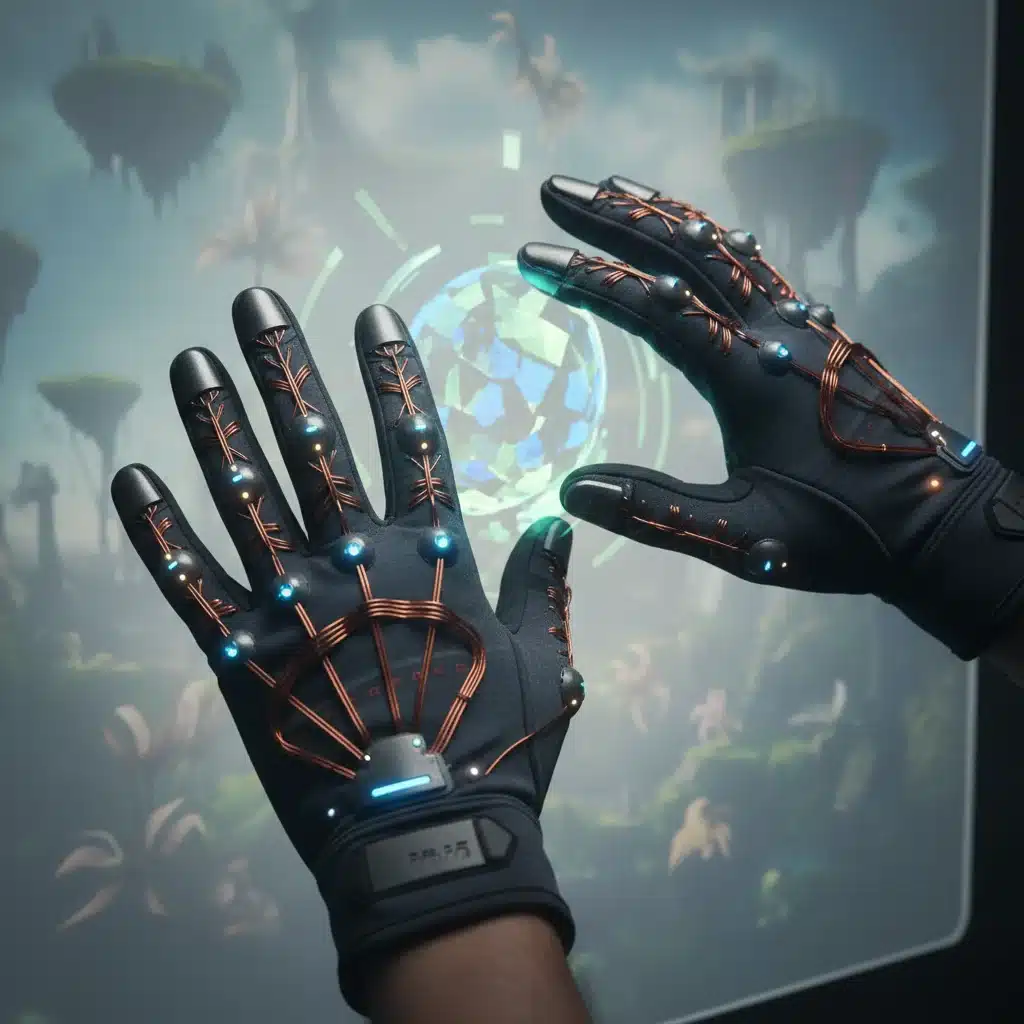
Imagine feeling the recoil of a shotgun, the gentle patter of rain, or the impact of a punch directly on your body. This is the promise of haptic feedback suits and gloves, which are rapidly moving from niche prototypes to consumer-ready products in 2026. These full-body or limb-specific wearables integrate an array of actuators that generate vibrations, pressure, and even temperature changes, translating in-game events into tangible physical sensations.
Key Features and Technology:
- Localized Vibrations: Hundreds of small motors provide precise tactile feedback to specific areas of the body, simulating everything from bullet impacts to environmental textures.
- Force Feedback: Advanced models incorporate pneumatic or electromechanical systems to create resistance or pressure, mimicking the weight of objects or the strain of physical exertion.
- Thermal Feedback: Some suits can simulate changes in temperature, adding another layer of realism to environments or elemental attacks.
- Wireless Connectivity: Seamless integration with gaming platforms via low-latency wireless protocols.
Impact on Gameplay for US Players:
For US players, haptic suits are revolutionizing immersion, particularly in action, adventure, and horror genres. The ability to physically feel the game world breaks down the barrier between player and avatar. In a first-person shooter, feeling the direction of incoming fire can enhance situational awareness. In a horror game, the subtle vibrations of a creature approaching can amplify tension to unprecedented levels. For VR experiences, these suits elevate presence to new heights, making virtual worlds feel truly tangible.
This technology also has significant implications for accessibility, allowing players with visual or auditory impairments to experience game cues through touch. The competitive scene is also taking notice, with professional players exploring how haptic feedback can provide a distinct advantage by offering additional sensory information.
2. Brain-Computer Interfaces (BCIs): Gaming with Your Mind
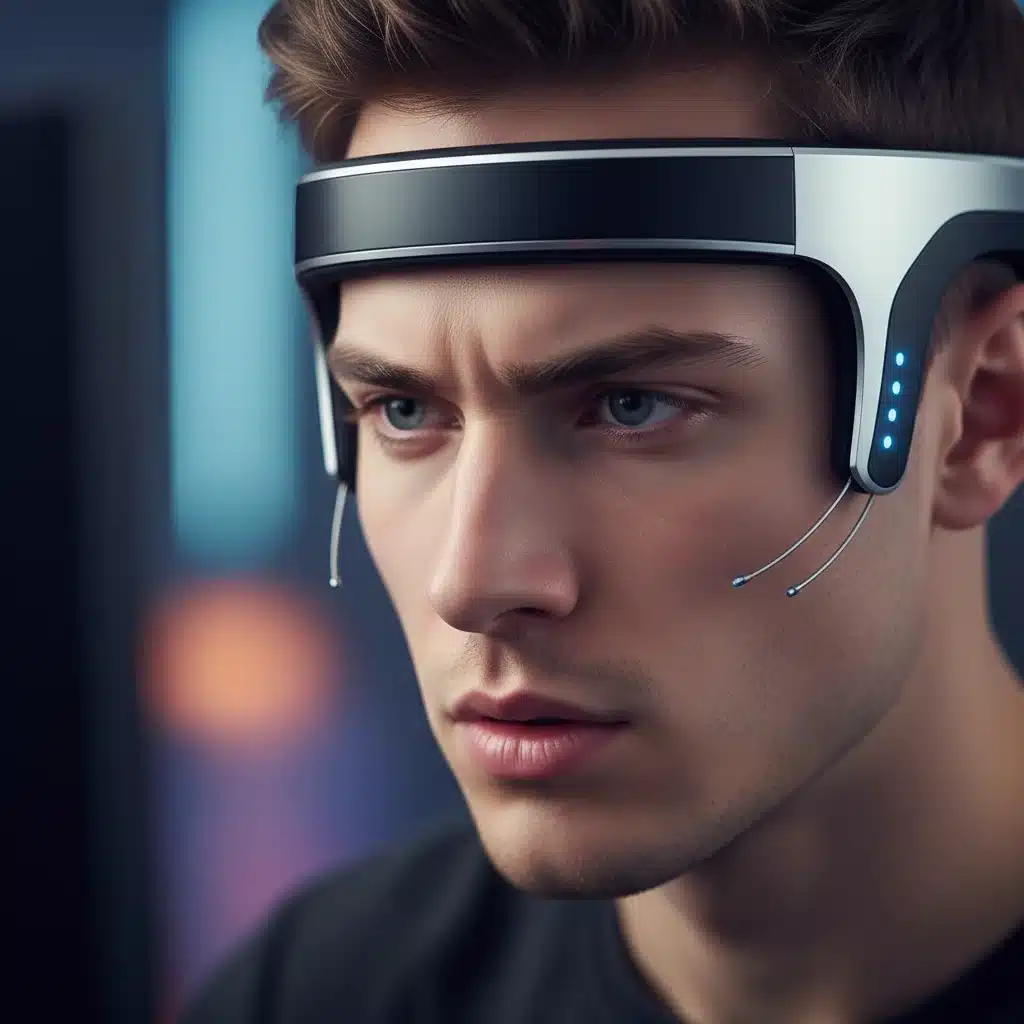
Perhaps the most revolutionary of all alternative gaming controllers, Brain-Computer Interfaces (BCIs) are no longer the stuff of pure science fiction. In 2026, consumer-grade BCIs are becoming increasingly sophisticated, allowing players to control certain aspects of games using only their thoughts. These devices typically involve non-invasive headsets that read electrical activity in the brain (EEG signals) and translate them into in-game commands.
Key Features and Technology:
- EEG Signal Processing: Advanced algorithms interpret specific brainwave patterns associated with intention, focus, or even emotional states.
- Targeted Control: Initially, BCIs are used for simple commands like menu navigation, character movement, or activating abilities, freeing up hands for other actions.
- Adaptive Learning: Many BCI systems employ machine learning to adapt to individual brainwave patterns, improving accuracy and responsiveness over time.
- Integration with Traditional Inputs: Often designed to complement, rather than replace, existing controllers, adding an extra layer of control.
Impact on Gameplay for US Players:
The potential impact of BCIs on US players is immense. Imagine navigating a complex strategy game by simply thinking about your next move, or casting a spell in an RPG with a focused mental command. This technology offers unparalleled levels of immersion, blurring the lines between thought and action. For players with severe motor disabilities, BCIs represent a monumental leap in accessibility, opening up gaming worlds that were previously inaccessible.
While still in its early stages for complex control, the ability to augment traditional input with mental commands offers a competitive edge and a truly futuristic gaming experience. Early adopters among US players are already experimenting with BCIs in niche titles and simulation games, showcasing its potential for a more intuitive and direct connection to the game world.
3. Advanced Motion-Sensing Systems: Precision and Full-Body Engagement
Building upon the foundations laid by earlier motion controllers, 2026’s advanced motion-sensing systems offer unparalleled precision, full-body tracking, and naturalistic interaction. These systems often combine external sensors (like improved LiDAR or depth cameras) with wearable trackers on limbs and joints, creating a highly accurate digital representation of the player’s movements.
Key Features and Technology:
- High-Fidelity Tracking: Sub-millimeter accuracy for tracking body and limb movements, allowing for nuanced gestures and actions.
- Full-Body Avatars: Real-time mapping of player movements onto in-game avatars, enhancing social VR and immersive simulation.
- AI-Powered Gesture Recognition: Sophisticated AI interprets complex human gestures, translating them into specific in-game commands without explicit button presses.
- Environmental Integration: Some systems can map the player’s physical environment into the game, allowing for interaction with real-world objects.
Impact on Gameplay for US Players:
Advanced motion-sensing systems are particularly transformative for sports simulations, dance games, and VR experiences. US players can now truly embody their virtual characters, swinging a virtual tennis racket with their actual arm motion or performing martial arts moves with realistic fluidity. This leads to a more active and physically engaging gaming experience, often blurring the line between exercise and entertainment.
For creative applications, such as virtual art studios or character animation, these systems offer intuitive tools for digital creation. Furthermore, in multiplayer VR environments, the ability to see and interact with other players’ full-body avatars with natural movement significantly enhances social presence and communication, fostering richer online communities.
4. Modular and Adaptive Gamepads: Personalization and Versatility
While traditional gamepads remain popular, 2026 is seeing a surge in modular and adaptive designs that push the boundaries of customization and versatility. These alternative gaming controllers allow players to reconfigure layouts, swap components, and even integrate specialized modules tailored to specific game genres or individual preferences. This approach prioritizes ergonomic comfort and optimized performance for every player.
Key Features and Technology:
- Swappable Components: Analog sticks, D-pads, face buttons, and even triggers can be swapped out for different shapes, sizes, and sensitivities.
- Modular Layouts: Sections of the controller can be rearranged or detached, allowing for asymmetrical designs or specialized attachments like macro pads or mini-keyboards.
- Haptic Feedback Modules: Enhanced haptics can be integrated into specific parts of the controller, providing more nuanced feedback than standard rumble.
- Programmable Inputs: Extensive software customization for button mapping, sensitivity curves, and macro creation.
- Accessibility Attachments: Designed with compatibility for various accessibility aids, such as one-handed modules or larger, easier-to-press buttons.
Impact on Gameplay for US Players:
The appeal of modular gamepads for US players lies in their unprecedented personalization. Competitive gamers can fine-tune their setup for optimal performance in specific titles, gaining a crucial edge. Players with specific ergonomic needs can create a controller that perfectly fits their hands and playstyle, reducing fatigue and improving comfort during long sessions.
This versatility also benefits casual gamers who might dabble in different genres, as they can adapt their controller rather than needing multiple specialized devices. The emphasis on user-driven design fosters a sense of ownership and encourages experimentation, leading to more comfortable and efficient gameplay for a wider audience.
5. Eye-Tracking and Gaze-Based Control: A New Perspective
Eye-tracking technology, once primarily used in research and accessibility, is now making significant inroads as an alternative gaming controller. In 2026, integrated eye-tracking cameras in monitors, VR headsets, and even standalone devices allow players to interact with games using their gaze. This opens up new possibilities for targeting, navigation, and even emotional expression within virtual worlds.
Key Features and Technology:
- High-Precision Gaze Tracking: Accurately detects where the player is looking on the screen or in the VR environment.
- Foveated Rendering: Optimizes graphics by rendering only the area the player is directly looking at in high detail, improving performance in VR.
- Gaze-Based Targeting: Allows players to aim weapons, select objects, or interact with UI elements simply by looking at them.
- Implicit Input: Can be used for subtle actions like highlighting interactable objects or influencing AI behavior based on where the player’s attention is focused.
Impact on Gameplay for US Players:
For US players, eye-tracking introduces a new layer of intuitive control. In competitive shooters, gaze-based aiming can provide lightning-fast target acquisition, complementing traditional mouse or stick aim. In strategy games, quickly scanning the battlefield and selecting units with a glance can dramatically improve efficiency. Furthermore, for accessibility, eye-tracking offers a vital input method for individuals with limited motor control, empowering them to engage with games in ways previously impossible.
Beyond direct control, eye-tracking also enhances immersion by allowing characters in games to react to the player’s gaze, creating more realistic interactions. It also offers potential for dynamic difficulty adjustment and personalized experiences based on player attention and focus, making games more engaging and responsive to individual playstyles.
The Broader Impact of Alternative Gaming Controllers on the US Gaming Market
The emergence of these alternative gaming controllers is not just about individual devices; it’s about a fundamental shift in the entire US gaming ecosystem. Several key impacts are already being felt and will only intensify by 2026:
Enhanced Accessibility:
Perhaps one of the most profound impacts is the dramatic improvement in accessibility. Controllers like BCIs, specialized modular gamepads, and even advanced motion sensors are opening up gaming to individuals with a wide range of physical disabilities. This inclusive approach not only enriches the gaming community but also drives innovation as developers strive to create games that can be enjoyed by everyone.
Deeper Immersion and Realism:
The drive for immersion is a core tenet of modern gaming. Haptic suits, full-body motion tracking, and even subtle gaze-based interactions contribute to a more seamless and believable connection to virtual worlds. This means that US players are experiencing games not just visually and audibly, but physically and intuitively, leading to more profound and memorable experiences.
New Game Design Paradigms:
As input methods evolve, so too must game design. Developers are no longer constrained by the limitations of traditional controllers. New genres are emerging, and existing ones are being reimagined to leverage the unique capabilities of these alternative gaming controllers. We’re seeing games designed from the ground up for haptic feedback, mental commands, or full-body movement, leading to truly novel interactive experiences.
Competitive Advantage and Esports:
In the highly competitive world of esports, even a fractional advantage can be crucial. Professional US gamers are already exploring how customized modular controllers, precise haptic feedback, or even rudimentary BCI inputs can shave milliseconds off reaction times or provide superior situational awareness. This will likely lead to new categories of competition and specialized training regimens focused on mastering these advanced input methods.
The Blurring of Lines: Gaming, Fitness, and Productivity:
Many of these alternative gaming controllers have applications beyond pure entertainment. Advanced motion-sensing systems, for example, are inherently linked to fitness and rehabilitation. BCIs hold promise for improving focus and productivity. As these technologies mature, the lines between gaming, exercise, and even professional applications will continue to blur, making gaming an even more integrated part of daily life for many US consumers.
Challenges and Future Outlook
While the future of alternative gaming controllers is bright, several challenges remain. Cost is a significant barrier for many of these cutting-edge devices, especially for full haptic suits or advanced BCIs. Standardization is also an issue, as different manufacturers often employ proprietary technologies, leading to fragmentation and compatibility concerns.
Furthermore, the learning curve for some of these controllers, particularly BCIs, can be steep. Players need time to adapt to new forms of input and develop the necessary mental discipline or physical coordination. Software support is also crucial; game developers must actively integrate these new input methods into their titles for them to gain widespread adoption.
Despite these hurdles, the trajectory is clear. As technology becomes more affordable, user-friendly, and standardized, these alternative gaming controllers will transition from niche curiosities to mainstream components of the gaming experience. The US market, with its strong appetite for innovation, will likely be at the forefront of this adoption, driving demand and further development.
Conclusion: The Dawn of a New Gaming Era
The year 2026 marks a pivotal moment in the history of gaming input. The reign of the traditional mouse, keyboard, and gamepad, while far from over, is being challenged by a wave of innovative alternative gaming controllers. From the tactile sensations offered by haptic suits to the mind-bending control of BCIs, these devices are fundamentally altering how US players engage with their favorite virtual worlds.
They promise deeper immersion, unprecedented accessibility, and entirely new ways to play. As these technologies mature and become more integrated into mainstream gaming, we can expect a richer, more diverse, and more personal gaming experience for everyone. The future of gaming isn’t just about what you see on the screen; it’s about how you feel, how you move, and how you connect with the game on a deeper, more intuitive level. Get ready to embrace the revolution in gaming input – the best is yet to come.