VR Gaming’s 2026 Outlook: How Meta Quest 3 is Shaping Immersive Experiences for US Consumers
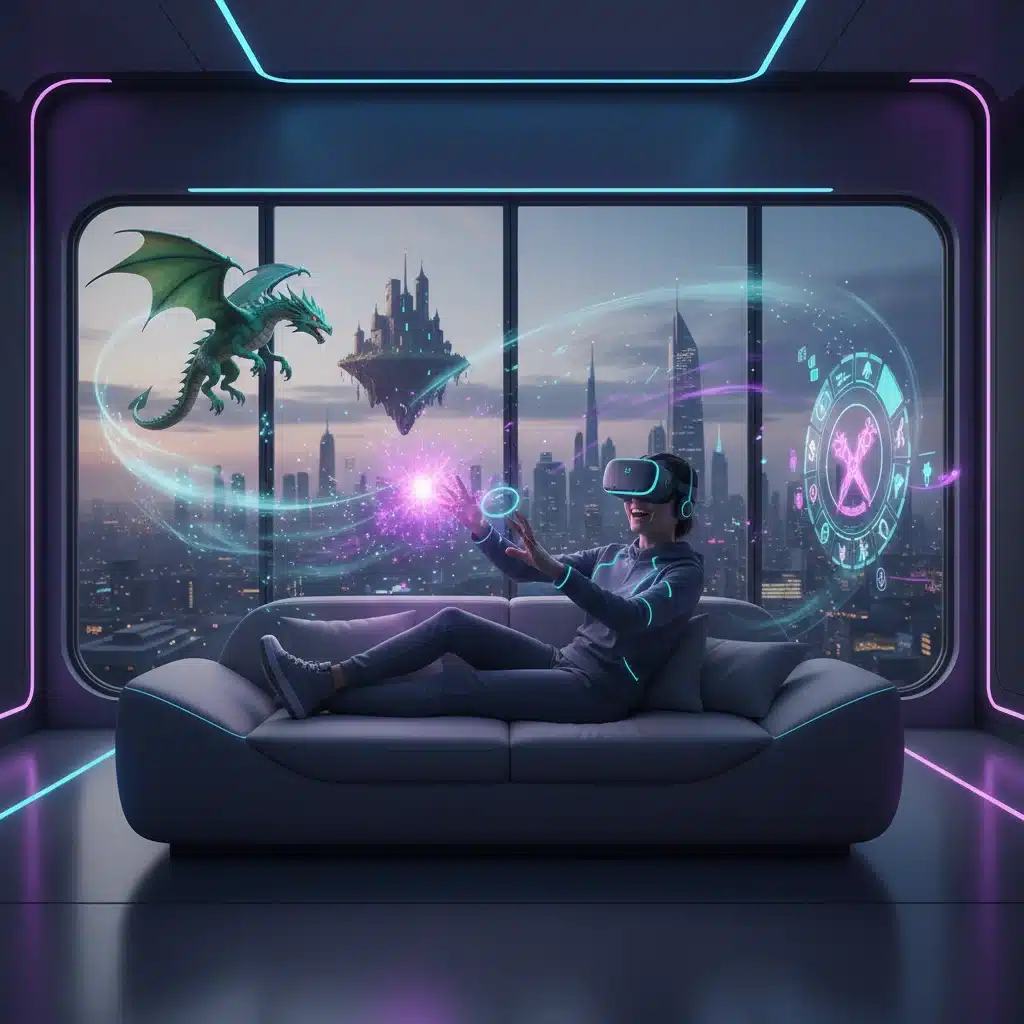
Virtual Reality (VR) gaming is no longer a niche concept confined to science fiction; it is a rapidly evolving industry that is fundamentally reshaping how we interact with digital entertainment. As we look towards 2026, the landscape of VR gaming is poised for unprecedented growth and transformation, with devices like the Meta Quest 3 leading the charge. For US consumers, this means a future filled with more immersive, accessible, and engaging experiences than ever before. This article delves deep into the 2026 outlook for VR gaming, examining the pivotal role of the Meta Quest 3 in shaping these immersive experiences and exploring the broader implications for the gaming industry.
The Current State of VR Gaming: A Foundation for Growth
Before we project into the future, it’s essential to understand where VR gaming stands today. The past few years have seen significant advancements in hardware, software, and content. Early VR headsets were often tethered, expensive, and required powerful PCs, limiting their mainstream appeal. However, the introduction of standalone headsets like the Meta Quest series has been a game-changer. These devices offer a cord-free experience, making VR more accessible and user-friendly. This ease of use has been a critical factor in expanding VR’s reach beyond hardcore enthusiasts to a broader consumer base.
Content creation has also matured, with a growing library of high-quality games spanning various genres, from action-packed adventures and intricate puzzle games to immersive simulations and social experiences. Developers are increasingly understanding the unique affordances of VR, designing games that leverage spatial awareness, motion tracking, and haptic feedback to create experiences impossible on traditional flat screens. The community around VR gaming is vibrant and growing, with online forums, dedicated content creators, and competitive leagues fostering a sense of belonging and driving engagement. This solid foundation sets the stage for the explosive growth anticipated by 2026.
Meta Quest 3: A Catalyst for Immersive Experiences
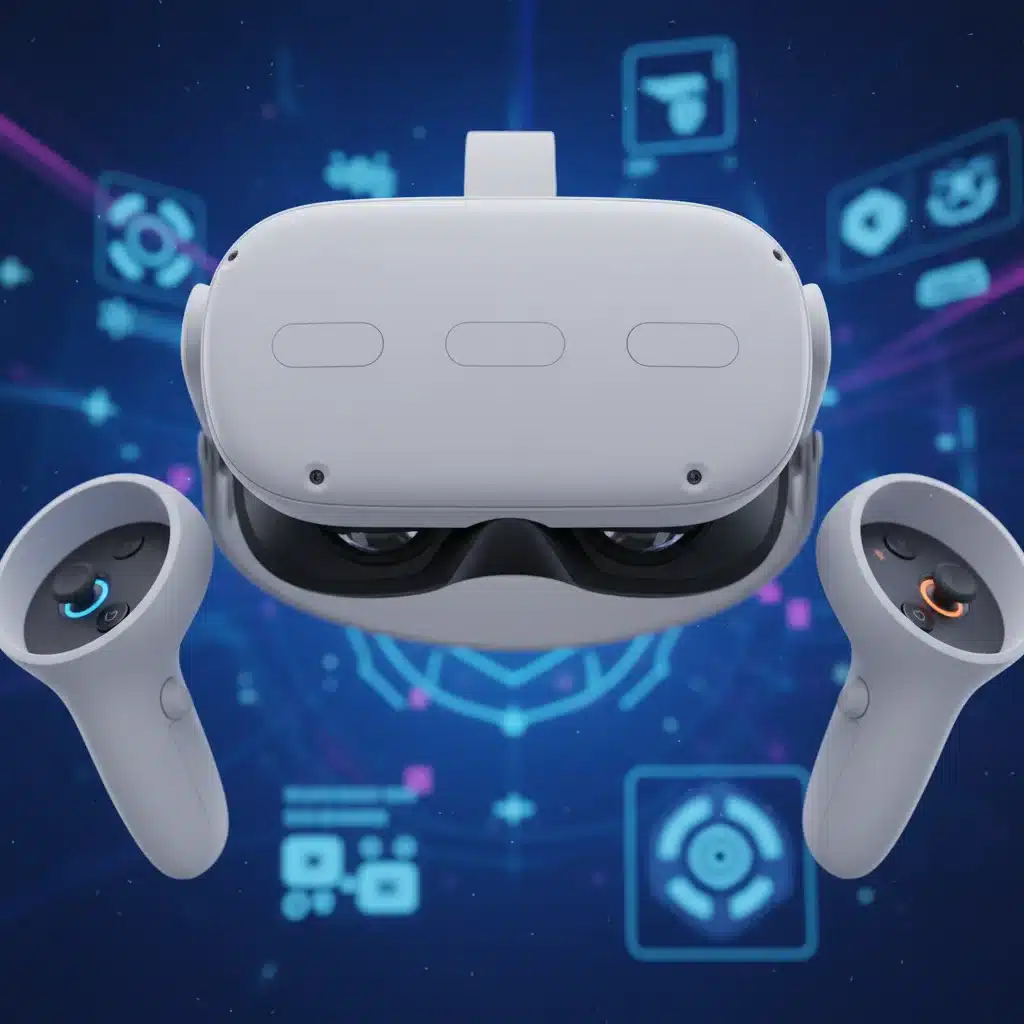
At the heart of the 2026 VR gaming outlook is the Meta Quest 3. Building upon the successes of its predecessors, the Quest 3 represents a significant leap forward in standalone VR technology. Its enhanced processing power, higher-resolution displays, improved optics, and advanced mixed reality capabilities are not just incremental upgrades; they are foundational elements that unlock new possibilities for immersive experiences. For US consumers, the Quest 3 is becoming synonymous with accessible, high-fidelity VR. The device’s ability to seamlessly blend virtual content with the real world through its passthrough cameras is particularly revolutionary, paving the way for truly innovative mixed reality applications that blur the lines between physical and digital environments.
The Quest 3’s improved comfort and design also play a crucial role in its widespread adoption. Lighter, slimmer, and with better weight distribution, it allows for longer, more comfortable gaming sessions, reducing the physical fatigue often associated with earlier VR headsets. This attention to user experience is paramount for mainstream acceptance, ensuring that VR gaming becomes a regular part of entertainment routines rather than an occasional novelty. The device’s robust ecosystem, backed by Meta’s continued investment in content and developer tools, ensures a steady stream of compelling titles that fully leverage its capabilities, solidifying its position as a dominant force in the VR market.
Technological Advancements Driving VR Gaming Forward
Beyond the Meta Quest 3, several broader technological advancements will continue to propel VR gaming towards its 2026 outlook. One key area is display technology. Expect to see even higher resolution screens, wider fields of view, and improved refresh rates, all contributing to a more visually stunning and less motion-sickness-inducing experience. Micro-OLED and pancake lenses, already seen in some high-end devices, will become more common, offering sharper images and more compact form factors.
Haptic feedback technology is another area ripe for innovation. Beyond simple vibrations in controllers, advanced haptic suits and gloves are being developed that can simulate touch, texture, and even temperature, providing an unprecedented level of immersion. Imagine feeling the impact of a sword blow or the texture of a virtual rock face – these experiences will become increasingly commonplace. Eye-tracking and foveated rendering will also become standard, allowing headsets to render only the area the user is directly looking at in high detail, significantly reducing computational demands and enabling more complex graphics without sacrificing performance.
Furthermore, advancements in artificial intelligence (AI) will enhance VR gaming in numerous ways. AI-powered NPCs will exhibit more realistic behaviors and dialogue, creating more believable and dynamic virtual worlds. AI can also be used for procedural content generation, allowing for infinitely explorable environments and adaptive storylines that respond to player actions, ensuring fresh and engaging experiences every time. The synergy between these technologies will create a richer, more believable, and deeply immersive VR Gaming Future.
Content and Game Development: The Heart of Immersion
The success of any gaming platform ultimately hinges on its content, and VR is no exception. By 2026, the VR content landscape will be vastly different. We anticipate a greater emphasis on narrative-driven experiences that fully utilize VR’s unique ability to put players directly into the story. Think of games that are less about button mashing and more about exploration, problem-solving, and emotional engagement within a truly believable world.
Multiplayer VR experiences will also see significant growth. Social VR platforms will evolve beyond simple chat rooms into dynamic virtual spaces where friends can gather, play games, attend virtual concerts, or even collaborate on projects. The Meta Quest 3’s mixed reality capabilities will further enhance these social interactions, allowing for hybrid experiences where players can see their real-world surroundings while interacting with virtual elements and friends. Esports in VR will continue to gain traction, with competitive titles leveraging the physical engagement and strategic depth that VR offers. Developers are increasingly understanding the nuances of VR game design, focusing on intuitive controls, comfortable movement mechanics, and experiences that are inherently more engaging in a 3D, interactive space.
The Role of Meta’s Ecosystem and Developer Support
Meta’s strategic investment in its VR ecosystem is a crucial factor in shaping the 2026 outlook. The company is not just selling hardware; it’s building a comprehensive platform that includes hardware, an app store, social features, and developer tools. This integrated approach ensures a consistent user experience and fosters a robust development environment. Meta’s ongoing efforts to attract and support developers with funding, SDKs, and marketing opportunities will result in a continuous influx of high-quality games and applications for the Quest 3 and future devices.
The App Lab, a platform for experimental and early-access VR content, will continue to serve as a vital incubator for innovation, allowing smaller studios and independent developers to bring their ideas to a wider audience. This open approach, coupled with the official Quest Store, creates a diverse content library that caters to a wide range of tastes and preferences. Furthermore, Meta’s long-term vision for the metaverse, while still in its nascent stages, provides a powerful incentive for developers to build interconnected experiences that transcend individual games, promising a truly persistent and expansive VR Gaming Future.
Challenges and Opportunities for VR Gaming in 2026
Despite the optimistic outlook, VR gaming faces several challenges on its path to widespread adoption by 2026. Price remains a barrier for some consumers, though devices like the Quest 3 are making VR more affordable. The need for larger play spaces can also be an issue for those living in smaller homes or apartments. Motion sickness, while significantly reduced with technological advancements, still affects a subset of users, and developers continue to innovate with comfort settings and movement options to mitigate this.
However, these challenges also present significant opportunities. As manufacturing scales and technology improves, hardware costs will continue to decrease, making VR more accessible. The development of ‘mixed reality’ experiences, as championed by the Quest 3, can allow users to enjoy VR in smaller spaces by integrating their physical environment into the virtual one. Furthermore, ongoing research into human perception and vestibular systems will lead to even more effective solutions for motion sickness, making VR a comfortable experience for almost everyone.
The opportunity for new business models in VR is also immense. Beyond traditional game sales, we can expect to see more subscription services, in-game purchases for virtual goods and customization, and even VR arcades offering premium experiences. The integration of VR with other forms of entertainment, such as live events and interactive storytelling, will further expand its market reach and appeal. The creative potential of VR is still largely untapped, and the next few years will see an explosion of innovative applications.
The US Consumer Perspective: Adoption and Engagement
For US consumers, the 2026 outlook for VR gaming is overwhelmingly positive. The Meta Quest 3’s ease of use, coupled with a growing library of compelling content, is driving adoption among a broader demographic. No longer just for tech enthusiasts, VR is attracting families, casual gamers, and those seeking unique social experiences. The shift towards standalone headsets has removed significant friction points, allowing users to simply pick up and play without complex setups.
Marketing and awareness campaigns will continue to educate consumers about the benefits and possibilities of VR, moving beyond novelty to highlight its value as a legitimate entertainment and social platform. Retail demonstrations and word-of-mouth will play a crucial role in converting skeptics into enthusiasts. The increasing presence of VR in mainstream media, from TV shows to popular culture references, will also normalize the technology and make it more appealing to a wider audience. As the price point becomes even more attractive and the content library continues to swell with AAA titles and innovative indie games, the US market is set to embrace VR gaming as a staple of digital entertainment.

Beyond Gaming: The Broader Impact of VR
While this article focuses on VR gaming, it’s important to acknowledge that the advancements driven by the gaming sector will have ripple effects across other industries. The Quest 3’s capabilities, particularly in mixed reality, are not limited to entertainment. They are paving the way for innovations in education, training, healthcare, and productivity. Imagine virtual classrooms where students can interact with 3D models, surgical simulations that provide realistic training for doctors, or remote work environments where colleagues can collaborate in shared virtual spaces as if they were in the same room.
The gaming industry has historically been a proving ground for new technologies, and VR is no different. The demand for powerful hardware, intuitive interfaces, and compelling content in gaming directly fuels research and development that benefits other sectors. As the VR Gaming Future unfolds, we will see a symbiotic relationship where advancements in one area accelerate progress in others, creating a truly interconnected and immersive digital future for everyone.
Conclusion: The Immersive Horizon of 2026
The 2026 outlook for VR gaming is exceptionally bright, largely thanks to the transformative impact of devices like the Meta Quest 3. This device, with its enhanced hardware, mixed reality capabilities, and robust ecosystem, is not just an incremental upgrade; it is a pivotal force shaping the future of immersive experiences for US consumers. We anticipate a landscape where VR gaming is more accessible, visually stunning, socially engaging, and deeply immersive than ever before.
Technological advancements in displays, haptics, and AI will continue to push the boundaries of what’s possible, while a burgeoning content library will cater to diverse tastes and preferences. While challenges remain, the industry is actively addressing them, turning obstacles into opportunities for innovation. For US consumers, the journey into 2026 promises a virtual reality where the lines between the digital and physical blur, offering unparalleled opportunities for entertainment, connection, and exploration. The VR Gaming Future is not just coming; it’s already here, and it’s more exciting than we could have imagined.