Game Marketing Evolution US 2026: From Traditional to Influencer-Led Campaigns
The Evolution of Game Marketing in the US by 2026: Shifting from Traditional to Influencer-Led Campaigns
The landscape of video game marketing in the United States is undergoing a profound transformation. As we approach 2026, the industry is witnessing a significant pivot from conventional advertising methodologies to more dynamic, digitally-driven, and intrinsically social strategies, with influencer-led campaigns emerging as a dominant force. This shift is not merely a trend but a fundamental re-evaluation of how game developers and publishers connect with their ever-expanding and increasingly discerning audience. Understanding this Game Marketing Evolution is crucial for anyone looking to succeed in the competitive US gaming market.
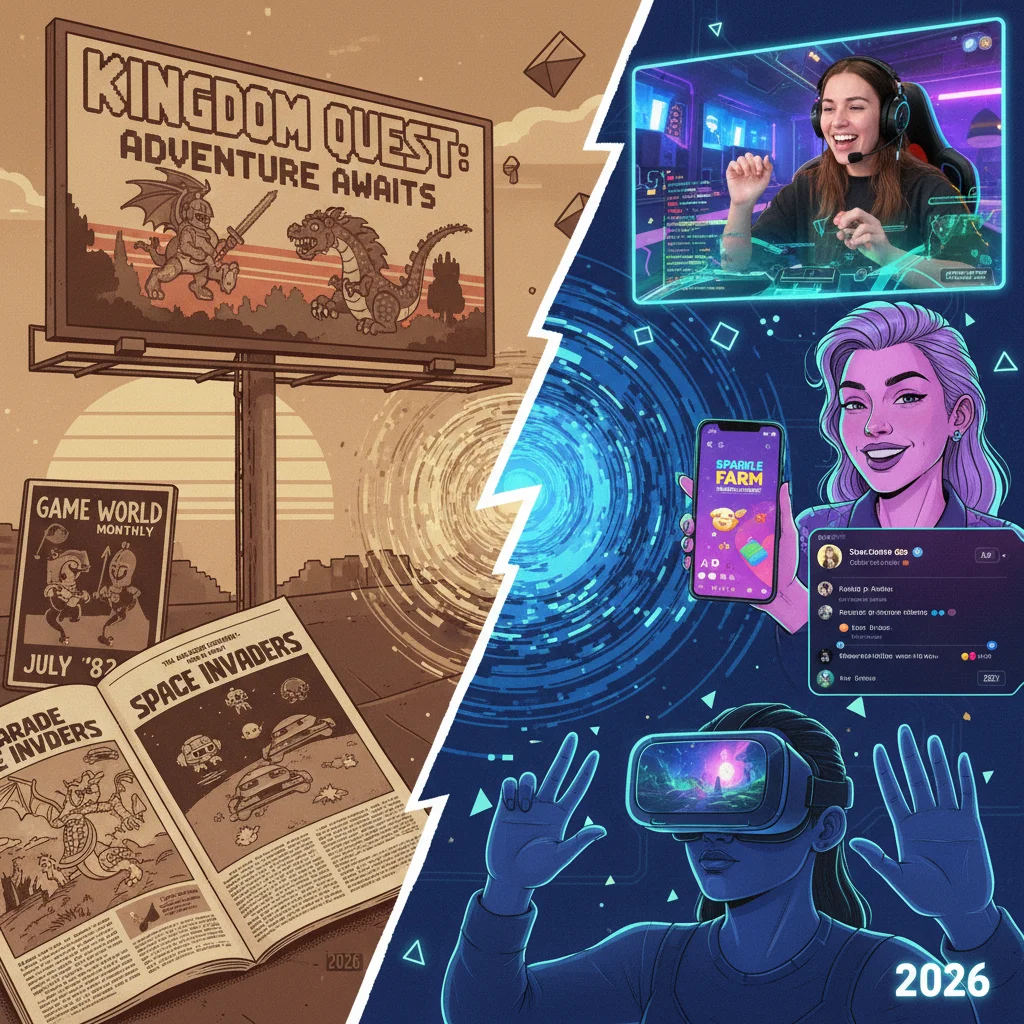
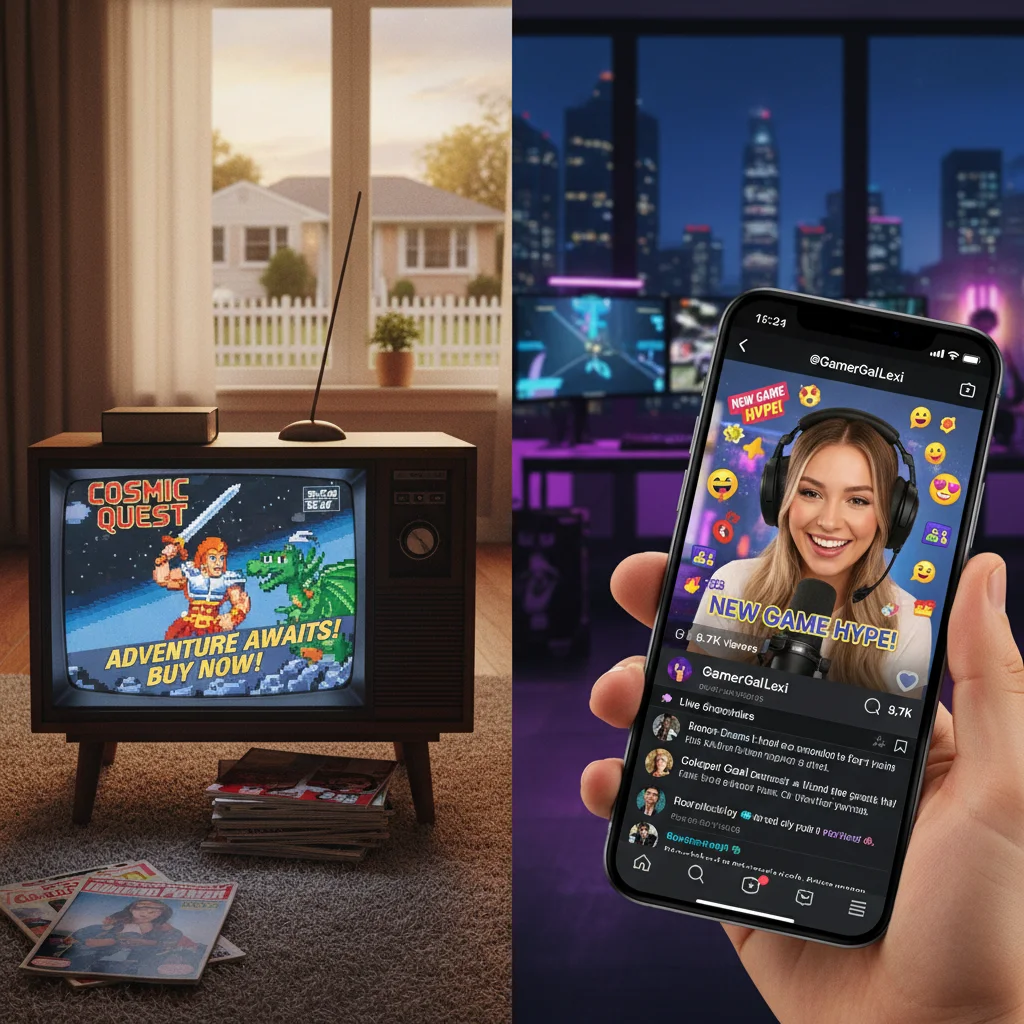
For decades, game marketing relied heavily on established channels: television commercials, print advertisements in gaming magazines, large-scale events like E3, and prominent placements in retail stores. These methods, while effective in their prime, are now struggling to keep pace with the hyper-connected, community-driven nature of modern gaming. Today’s gamers are digital natives, accustomed to instant information, authentic interactions, and content that resonates directly with their interests. They seek recommendations from trusted voices within their communities, making the transition to influencer-driven strategies not just logical, but essential.
This article delves deep into the mechanisms behind this Game Marketing Evolution, exploring the decline of traditional approaches, the rise and refinement of influencer marketing, and the comprehensive strategies that will define success in the US gaming landscape by 2026. We will examine the economic drivers, technological enablers, and cultural shifts that are collectively forging this new era of game promotion.
The Decline of Traditional Game Marketing in the US
The efficacy of traditional marketing channels for video games in the US has been on a noticeable decline, a trend accelerated by changing media consumption habits and the fragmentation of audiences. While not entirely obsolete, their role has diminished significantly. Television advertising, once a cornerstone, now faces challenges from cord-cutting and the proliferation of streaming services, making it harder and more expensive to reach target demographics.
Print media, once the go-to source for game reviews and news, has largely been supplanted by online publications, blogs, and video content. Billboards and public transit ads, while offering broad reach, lack the targeting precision and interactive capabilities that modern digital campaigns provide. The inherent one-way communication of these traditional methods often fails to generate the authentic engagement and community dialogue that gamers now expect.
Moreover, the cost-effectiveness of traditional advertising is increasingly being questioned. Large-scale campaigns require substantial budgets, yet their return on investment (ROI) is harder to track and often lower compared to digital alternatives that offer granular analytics and highly targeted delivery. The move towards digital distribution of games has also reduced the prominence of physical retail-centric marketing. With digital storefronts dominating, the need for flashy in-store displays and physical packaging advertisements has lessened, further pushing marketers towards online strategies.
This decline isn’t about the complete disappearance of these methods, but rather their reduced prominence and effectiveness as primary drivers of awareness and sales. They may still serve as supplementary components in a broader, integrated marketing mix, but they are no longer the undisputed kings of game promotion. The shift reflects a fundamental change in how information is consumed and trusted, paving the way for a new paradigm in the Game Marketing Evolution.
The Ascendance of Influencer-Led Campaigns
The rise of influencer marketing in the gaming sector is perhaps the most significant aspect of the ongoing Game Marketing Evolution. Influencers – streamers, YouTubers, TikTok creators, and professional gamers – have cultivated massive, engaged communities built on trust, shared passion, and perceived authenticity. For gamers, these individuals are not just entertainers; they are trusted peers whose opinions carry significant weight.
Unlike traditional advertisements, which are often perceived as disruptive and overtly promotional, influencer content feels organic and integrated. When a beloved streamer plays a new game, offers their genuine reactions, or collaborates with a developer, it resonates deeply with their audience. This form of marketing taps into the powerful concept of social proof and word-of-mouth recommendations, amplified by digital platforms.
By 2026, influencer marketing is projected to be the cornerstone of game promotion in the US. The reasons are manifold:
- Authenticity and Trust: Gamers trust influencers more than traditional advertisers. This trust translates directly into higher engagement and conversion rates.
- Targeted Reach: Influencers often specialise in specific genres or platforms, allowing marketers to precisely target niche audiences that are most likely to be interested in their game.
- Engaging Content: Influencers create diverse and dynamic content – live streams, gameplay videos, reviews, tutorials, and challenges – that actively engages viewers and showcases games in an interactive format.
- Measurable ROI: Digital platforms provide extensive analytics, allowing marketers to track views, engagement, click-through rates, and even conversions directly attributable to influencer campaigns, offering a clearer picture of ROI.
- Community Building: Influencers foster communities around games, encouraging discussion, user-generated content, and sustained interest long after launch.
The strategies employed by game marketers leveraging influencers are becoming increasingly sophisticated. Beyond simple sponsored streams, we see long-term partnerships, ambassadorships, co-creation of content, and even direct involvement of influencers in game development feedback loops. This symbiotic relationship between developers and influencers is redefining the promotional cycle, making it more collaborative and community-centric.
Key Strategies for Game Marketing in the US by 2026
Navigating the evolved landscape of game marketing by 2026 requires a multi-faceted approach, integrating various digital strategies with a strong emphasis on community and authenticity. Here are some key strategies:
1. Micro and Macro Influencer Engagement
While mega-influencers offer broad reach, micro and nano-influencers (those with smaller but highly engaged and niche audiences) are becoming increasingly valuable. Their authenticity and direct connection with their followers often lead to higher conversion rates. A balanced strategy will involve a mix of both, leveraging macro-influencers for awareness and micro-influencers for deep engagement within specific communities. Establishing long-term relationships with a diverse portfolio of influencers will be paramount.
2. Data-Driven Campaign Optimisation
The beauty of digital and influencer marketing lies in its measurability. Marketers must leverage advanced analytics to track campaign performance, understand audience demographics and behaviour, and optimise strategies in real-time. This includes A/B testing different content formats, influencer types, and call-to-actions to maximise effectiveness. Predictive analytics will also play a larger role in identifying trending content and emerging influencers.
3. Community-Centric Marketing
Modern gamers don’t just buy games; they join communities. Marketing efforts must focus on fostering these communities around a game, both pre-launch and post-launch. This involves active engagement on platforms like Discord, Reddit, and Twitch, creating opportunities for user-generated content (UGC), and facilitating direct communication between developers and players. A strong community can become a powerful organic marketing engine.
4. Cross-Platform Integration
With games available across PCs, consoles, and mobile devices, marketing campaigns need to be seamlessly integrated across all relevant platforms. This means tailoring content and messaging to suit the unique characteristics and audience behaviours of each platform, while maintaining a consistent brand voice. For instance, a mobile game might leverage TikTok influencers, while a PC title might focus on Twitch streamers and Steam community engagement.
5. Experiential Marketing and Demos
While physical events have scaled back, virtual experiential marketing remains powerful. Demos, early access programmes, betas, and interactive online experiences allow players to get a taste of the game before launch. Influencers can amplify these experiences, hosting play-throughs or challenges, further driving engagement and anticipation. The success of Steam Next Fest and similar digital events underscores the importance of this approach.
6. Content Marketing Excellence
Beyond influencer collaborations, developers and publishers must invest in creating high-quality, engaging content themselves. This includes developer diaries, behind-the-scenes videos, lore explanations, and compelling trailers. This content serves to inform, entertain, and build a narrative around the game, feeding the hunger for information that modern gamers possess. SEO optimisation for this content is also crucial for discoverability.
7. Ethical and Transparent Practices
As influencer marketing matures, transparency and ethical practices become increasingly important. Disclosing sponsored content, ensuring genuine influencer endorsements, and adhering to advertising standards are critical for maintaining trust with both audiences and regulatory bodies. Brands that prioritise authenticity and ethical conduct will build stronger, more sustainable relationships.
The Economic and Technological Drivers
Several underlying factors are accelerating this Game Marketing Evolution. Economically, the video game industry continues its robust growth, with the US market being a significant contributor. This growth fuels increased competition, pushing marketers to find more effective and efficient ways to stand out. Influencer marketing, when executed correctly, often offers a higher ROI than traditional advertising, making it an attractive investment.
Technologically, advancements in streaming platforms, social media algorithms, and data analytics tools have made influencer campaigns more powerful and measurable. High-speed internet, better gaming hardware, and the ubiquity of smartphones have democratised content creation and consumption, lowering the barrier for entry for both aspiring influencers and engaged audiences. The rise of sophisticated ad-blocking technologies also pushes advertisers towards more native, less disruptive forms of promotion.
Furthermore, the cultural shift towards digital entertainment and community engagement has solidified the position of influencers as key cultural arbiters. Gaming is no longer a niche hobby but a mainstream form of entertainment and social interaction. This mainstream acceptance, coupled with the digital habits of a younger demographic, ensures that influencer-led strategies will remain at the forefront of game marketing.
Challenges and Considerations for 2026
While the shift to influencer-led campaigns presents immense opportunities, it also comes with its own set of challenges. By 2026, marketers will need to contend with:
- Influencer Saturation: The sheer volume of influencers means standing out and finding the right fit for a game can be challenging. Sophisticated tools for influencer discovery and vetting will be essential.
- Authenticity Fatigue: Audiences are becoming savvier at detecting inauthentic or overly corporate sponsored content. Maintaining genuine connections and ensuring creative freedom for influencers will be key to avoiding ‘authenticity fatigue’.
- Platform Volatility: Social media platforms are constantly evolving, with new features, algorithm changes, and emerging competitors. Marketers must remain agile and adapt their strategies to these shifting digital landscapes.
- Measuring True Impact: While digital analytics are powerful, accurately attributing sales directly to specific influencer activations can still be complex. Developing more robust attribution models will be a continuous challenge.
- Regulatory Compliance: As influencer marketing grows, so does scrutiny from regulatory bodies regarding disclosure and ethical advertising. Staying compliant with evolving guidelines will be crucial.
- Brand Safety: Partnering with influencers carries inherent risks related to their public image and past content. Thorough due diligence and clear contractual agreements are necessary to mitigate brand safety concerns.
Addressing these challenges requires a strategic, long-term approach to influencer relations, robust data analysis capabilities, and a deep understanding of the gaming community’s evolving expectations. The Game Marketing Evolution demands continuous learning and adaptation.
The Future of Game Marketing: A Holistic Approach
By 2026, the most successful game marketing strategies in the US will be holistic, seamlessly blending various digital tactics with a strong emphasis on influencer collaborations. Traditional marketing won’t disappear entirely but will be relegated to a supportive role, perhaps for brand building or reaching extremely broad, non-gaming audiences in specific contexts.
The core will be a dynamic ecosystem where developers, influencers, and players interact in a continuous feedback loop. Games will be marketed not just as products, but as experiences and communities. Pre-launch campaigns will heavily involve early access for influencers, community betas, and interactive reveals. Post-launch, the focus will shift to sustained engagement through live service updates, community events, and ongoing influencer content that keeps the game relevant and exciting.
Personalisation will also become more sophisticated. Leveraging player data, marketers will be able to deliver highly relevant content and offers, enhancing the player journey from discovery to sustained engagement. AI and machine learning will likely play a more significant role in identifying optimal influencer partnerships, predicting content performance, and automating aspects of campaign management.
Ultimately, the Game Marketing Evolution in the US by 2026 is about moving closer to the player. It’s about understanding their desires, speaking their language, and building authentic connections through trusted voices. Those who embrace this shift will not only survive but thrive in the competitive and dynamic world of video game entertainment.
Conclusion
The journey of game marketing in the US is a testament to the industry’s dynamism and its capacity for innovation. From the broad strokes of traditional advertising, we are witnessing a refined, targeted, and deeply engaging approach driven by the power of influencers and digital communities. By 2026, this Game Marketing Evolution will have firmly established influencer-led campaigns as the vanguard of promotional strategy, complemented by data-driven insights, robust community building, and ethical practices.
For developers, publishers, and marketing professionals, the message is clear: adapt or be left behind. Investing in genuine influencer relationships, understanding the nuances of digital engagement, and fostering vibrant player communities are no longer options but necessities. The future of game marketing is not just about selling a product; it’s about inviting players into an experience, a narrative, and a community that they feel an authentic connection to. The next few years will undoubtedly be exciting, challenging, and incredibly rewarding for those who master this evolving art form.