Game Distribution US 2026: Digital Platforms Evolve
The gaming industry is a dynamic behemoth, constantly shifting and evolving. For developers, publishers, and players alike, understanding these shifts is paramount to staying relevant and competitive. As we hurtle towards 2026, the landscape of game distribution in the US is poised for significant transformations, driven primarily by technological advancements, changing consumer habits, and innovative business models. Digital platforms, which have long been the backbone of modern gaming, are set to become even more dominant, reshaping how games are delivered, discovered, and consumed.
Gone are the days when physical retail was the undisputed king. While still holding a nostalgic charm and a niche market, its influence continues to wane in the face of instantaneous digital downloads, subscription services, and the burgeoning power of cloud gaming. This article will delve deep into the projected changes, exploring the key trends that will define game distribution 2026 in the US, offering insights into what developers need to consider and what players can expect.
The journey from a game concept to a player’s screen is becoming increasingly streamlined, yet simultaneously more complex. With an explosion of content and platforms, discoverability is a major challenge. However, this also opens doors for independent creators and offers players an unprecedented variety of choices. The next few years will undoubtedly be a period of intense innovation and consolidation within the digital platforms space.
The Ascendancy of Digital Platforms in US Game Distribution
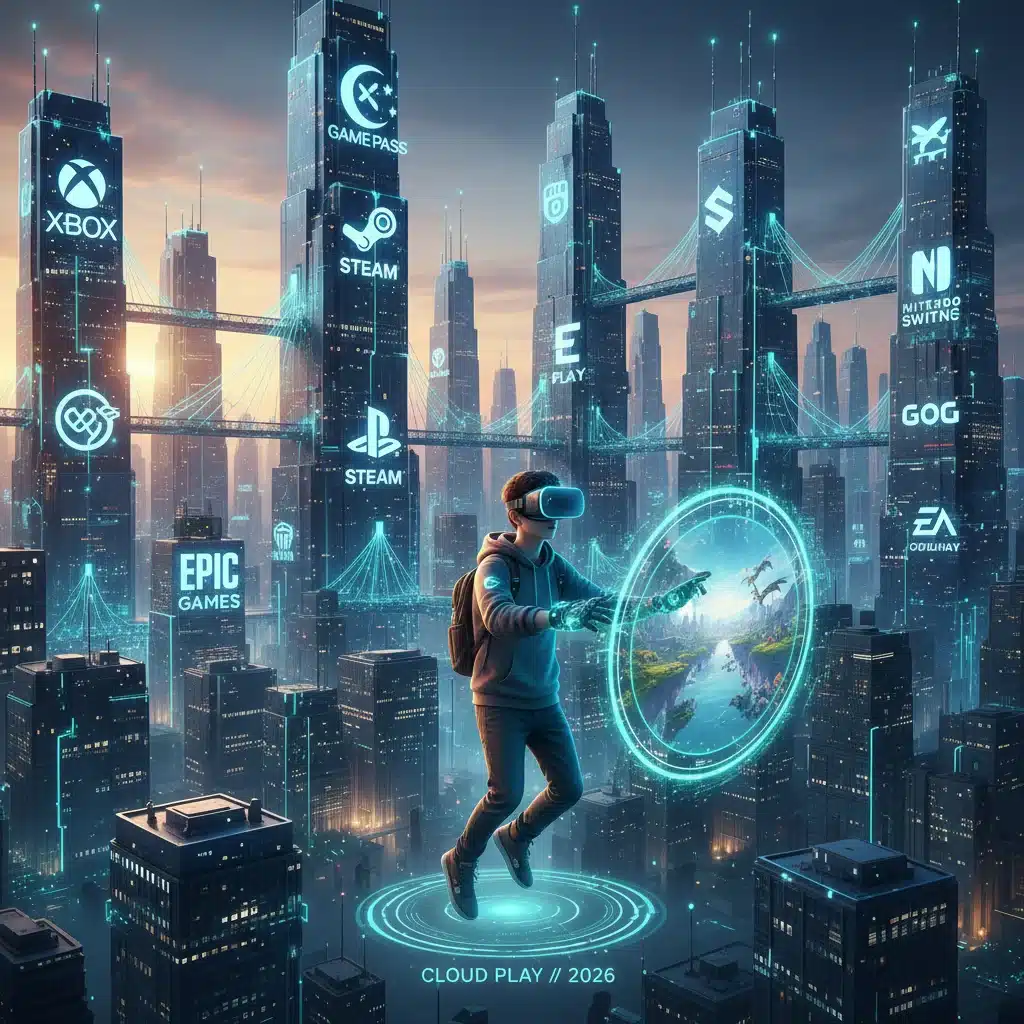
By 2026, digital platforms will have solidified their position as the primary conduit for game distribution in the US. This isn’t a new trend, but its acceleration is noteworthy. The convenience of immediate access, the elimination of physical media costs, and the ease of updates and patches have made digital storefronts irresistible to both developers and consumers. Platforms like Steam, PlayStation Store, Xbox Games Store, Nintendo eShop, and various PC launchers will continue to dominate, but their functionalities and competitive strategies will evolve significantly.
Expect these platforms to invest heavily in artificial intelligence (AI) and machine learning (ML) to enhance game discovery. Personalized recommendations, dynamic pricing, and tailored marketing campaigns will become standard. This means that for developers, simply having a great game isn’t enough; understanding the algorithms and optimizing for discoverability on these platforms will be crucial for success in game distribution 2026. Furthermore, these platforms will likely offer more robust developer tools and analytics, empowering creators with deeper insights into player behaviour and market trends.
The rise of cross-platform play and progression will also push digital platforms to be more interoperable. While true platform agnosticism remains a distant dream for many, the increasing demand for players to access their games and progress across different devices will necessitate greater collaboration and shared infrastructure among major players. This could lead to more unified digital libraries or at least smoother transitions between ecosystems.
The Cloud Gaming Revolution: Streaming into 2026
Perhaps the most transformative force in game distribution 2026 will be the continued maturation and widespread adoption of cloud gaming. Services like Xbox Cloud Gaming, GeForce NOW, PlayStation Plus Premium, and Amazon Luna are already laying the groundwork, but by 2026, their reach and capabilities are expected to expand exponentially. The promise of playing high-fidelity games on virtually any device with an internet connection – without the need for expensive hardware – is a game-changer.
Improved internet infrastructure, particularly 5G networks, will be a critical enabler for cloud gaming’s success in the US. Reduced latency and increased bandwidth will make the streaming experience virtually indistinguishable from local play for many users. This shift has profound implications: it democratizes access to gaming, lowers the barrier to entry for new players, and fundamentally alters the hardware cycle. Instead of investing in a new console or PC every few years, players might simply subscribe to a cloud gaming service.
For developers, cloud gaming presents both opportunities and challenges. On one hand, it vastly expands the potential audience for their games. On the other hand, it requires careful optimization for streaming environments and potentially new revenue models. The focus might shift from selling individual game copies to securing licensing deals with cloud providers or integrating games into subscription bundles. This will be a key aspect of how game distribution 2026 evolves.
Subscription Models: The Netflixification of Gaming
The success of services like Netflix, Spotify, and Disney+ has demonstrated the immense appeal of subscription-based content. The gaming industry has been quick to follow suit, and by 2026, subscription models will be an even more entrenched part of game distribution 2026 in the US. Xbox Game Pass is a prime example of a successful model, offering a rotating library of games for a monthly fee, including day-one access to many new releases.
Expect to see more variations and tiers of subscription services. Beyond the all-you-can-play models, there might be subscriptions offering early access to betas, exclusive in-game content, ad-free experiences, or even direct access to developer communities. The competition among these services will be fierce, driving innovation in content curation and value proposition. Publishers might even launch their own niche subscription services, offering deep dives into their specific catalogues.
The impact on game development is significant. Developers will need to consider how their games fit into a subscription ecosystem. Longevity, replayability, and continuous content updates will become even more important to retain subscribers. The financial models will also shift, with revenue potentially coming from engagement metrics rather than upfront sales. This demands a strategic rethink for how games are designed, marketed, and monetized in the future of game distribution 2026.

The Evolving Role of Indie Developers and Direct Distribution
While large platforms and publishers will continue to dominate, the landscape of game distribution 2026 will also offer significant opportunities for independent developers. Digital storefronts have already democratized publishing to a large extent, allowing smaller studios to reach global audiences without the need for traditional publishers.
By 2026, this trend will continue, with more sophisticated tools and services emerging to support direct distribution. Platforms like Itch.io, Epic Games Store (with its generous revenue share), and even direct-to-consumer websites will empower indie developers to maintain greater control over their creations and revenue. Community building, through platforms like Discord and Twitch, will be an integral part of an indie developer’s distribution strategy, fostering direct relationships with their player base.
However, the challenge of discoverability for indie games will intensify with the sheer volume of new releases. Marketing and community engagement will become even more critical. Indie developers will need to be adept at utilizing social media, influencer marketing, and innovative promotional strategies to cut through the noise. The success stories of game distribution 2026 will often be those who master both game development and savvy self-promotion.
Blockchain and NFTs: A Niche but Growing Influence?
The discussion around blockchain technology and Non-Fungible Tokens (NFTs) in gaming has been contentious, but it’s a trend that cannot be ignored when looking at game distribution 2026. While still in its nascent stages and facing significant hurdles related to environmental concerns, scalability, and consumer perception, blockchain could offer new paradigms for digital ownership, in-game economies, and even game distribution.
By 2026, we might see more widespread adoption of blockchain for verifiable ownership of digital assets (skins, items, characters), enabling true player-driven economies and potentially even secondary markets for game licenses or parts of games. While a complete overhaul of traditional distribution models is unlikely in the short term, specific genres or niche communities might embrace blockchain-based distribution, offering developers new ways to monetize and players new forms of ownership. The key will be demonstrating tangible benefits to players beyond speculative investment.
The Impact on Physical Retail and Legacy Formats
As digital platforms and cloud gaming gain dominance, what does this mean for physical retail and legacy formats? By game distribution 2026, physical game sales in the US are expected to continue their decline, becoming a smaller, more specialized segment of the market. Collectors, those with unreliable internet access, or consumers who prefer tangible goods will still drive demand, but it will be a niche.
Retailers will need to adapt, shifting their focus from selling new game copies to becoming hubs for gaming culture, merchandise, accessories, and possibly even esports events or cloud gaming kiosks. The experience of visiting a game store might evolve into something more social and interactive, rather than purely transactional. Digital codes and gift cards for digital storefronts and subscription services will likely replace physical discs as the primary game-related product on shelves.
The preservation of older games, which often relied on physical media, also becomes a more pressing concern in a purely digital future. By game distribution 2026, discussions around digital archiving and backwards compatibility will intensify, as players and historians seek to ensure that gaming’s rich past remains accessible.
Challenges and Opportunities for Developers in 2026
The evolving landscape of game distribution 2026 presents a double-edged sword for game developers. While new technologies offer unprecedented reach and innovative monetization avenues, they also introduce new complexities and competitive pressures.
- Discoverability: With millions of games available across numerous platforms, standing out will be harder than ever. Developers will need robust marketing strategies, strong community engagement, and possibly partnerships with platform holders or influencers.
- Monetization Models: Moving beyond simple upfront sales, developers will need to understand and strategically implement subscription models, in-game purchases, battle passes, and potentially even blockchain-based economies.
- Technical Demands: Optimizing games for cloud streaming, ensuring cross-platform compatibility, and leveraging AI for game design or player experience will require advanced technical expertise.
- Data Analytics: The wealth of data available from digital platforms can be a goldmine for understanding player behaviour and improving games, but interpreting and acting on this data requires specific skills.
- Intellectual Property Protection: In a highly digital and interconnected world, protecting intellectual property and combating piracy remains a perennial challenge that will continue to evolve.
However, the opportunities are equally compelling:
- Expanded Reach: Cloud gaming and digital platforms can bring games to a global audience, including those without high-end hardware.
- Direct Player Engagement: Digital channels allow for direct communication with players, fostering communities and enabling rapid iteration based on feedback.
- New Revenue Streams: Subscription services and innovative monetization models can provide more stable and predictable revenue streams.
- Lower Barriers to Entry: While competition is high, the tools and platforms for independent game development and distribution are more accessible than ever.
The Player Experience: What to Expect by 2026
For players in the US, game distribution 2026 promises a future of unprecedented access, variety, and flexibility. The lines between platforms will blur, and the ability to play what you want, where you want, will become increasingly common.
- More Choice, Less Friction: A vast library of games will be available at their fingertips, often through subscription services, eliminating the need for individual purchases for many titles.
- Device Agnosticism: Cloud gaming will allow players to enjoy high-end games on smartphones, tablets, smart TVs, and low-spec PCs, making gaming truly ubiquitous.
- Personalized Experiences: AI-driven recommendations will help players discover new games tailored to their tastes, reducing the paradox of choice.
- Community Focus: Online communities, cross-platform play, and integrated social features will make gaming a more connected experience.
- Evolving Ownership: While subscription models will be prevalent, blockchain might offer new forms of digital ownership for those who desire it, creating new secondary markets for in-game assets.
However, players might also face challenges such as managing multiple subscriptions, potential concerns over data privacy, and the ongoing debate about digital ownership versus perpetual access. The industry’s ability to navigate these concerns will be crucial for maintaining player trust and engagement.
Regulatory Landscape and Market Consolidation
The rapid evolution of game distribution 2026 will inevitably draw increased scrutiny from regulators. Concerns around market dominance, anti-competitive practices, data privacy, and consumer rights will likely lead to new regulations or increased enforcement of existing ones. The ongoing debates around app store fees, platform exclusivity, and cross-platform compatibility highlight the tension between platform holders and developers/consumers.
Furthermore, expect continued market consolidation. Larger tech companies and gaming giants will acquire smaller studios, platforms, and intellectual properties to bolster their content libraries and strengthen their position in the digital and cloud gaming space. This could lead to fewer, but more powerful, players dominating the game distribution 2026 market, raising questions about diversity and innovation.
Developers and publishers will need to stay abreast of these regulatory changes and market dynamics, adapting their business strategies accordingly. Compliance with data protection laws (like GDPR or evolving US state-level privacy acts) will be non-negotiable, and understanding the nuances of platform agreements will be critical.
The Future is Digital and Diverse
In conclusion, the landscape of game distribution 2026 in the US will be overwhelmingly digital, driven by the relentless march of technology and changing consumer expectations. Cloud gaming will transition from a niche offering to a mainstream option, subscription services will become an even more integral part of how players access games, and digital platforms will leverage AI to personalize experiences like never before.
For game developers, this future presents both immense opportunities for reach and innovation, alongside significant challenges in discoverability and monetization. Adaptability, a deep understanding of evolving technologies, and a strong focus on community engagement will be key to success. For players, the future promises a more accessible, flexible, and diverse gaming experience, albeit one that requires navigating a complex ecosystem of platforms and services.
The next few years will be a thrilling period for the gaming industry, as the boundaries of what’s possible in game distribution 2026 continue to expand. Those who embrace these changes will be best positioned to thrive in this exciting new era of interactive entertainment.