The Future of Game Retail in the US: Digital Dominance and a 2026 Outlook on Physical Sales
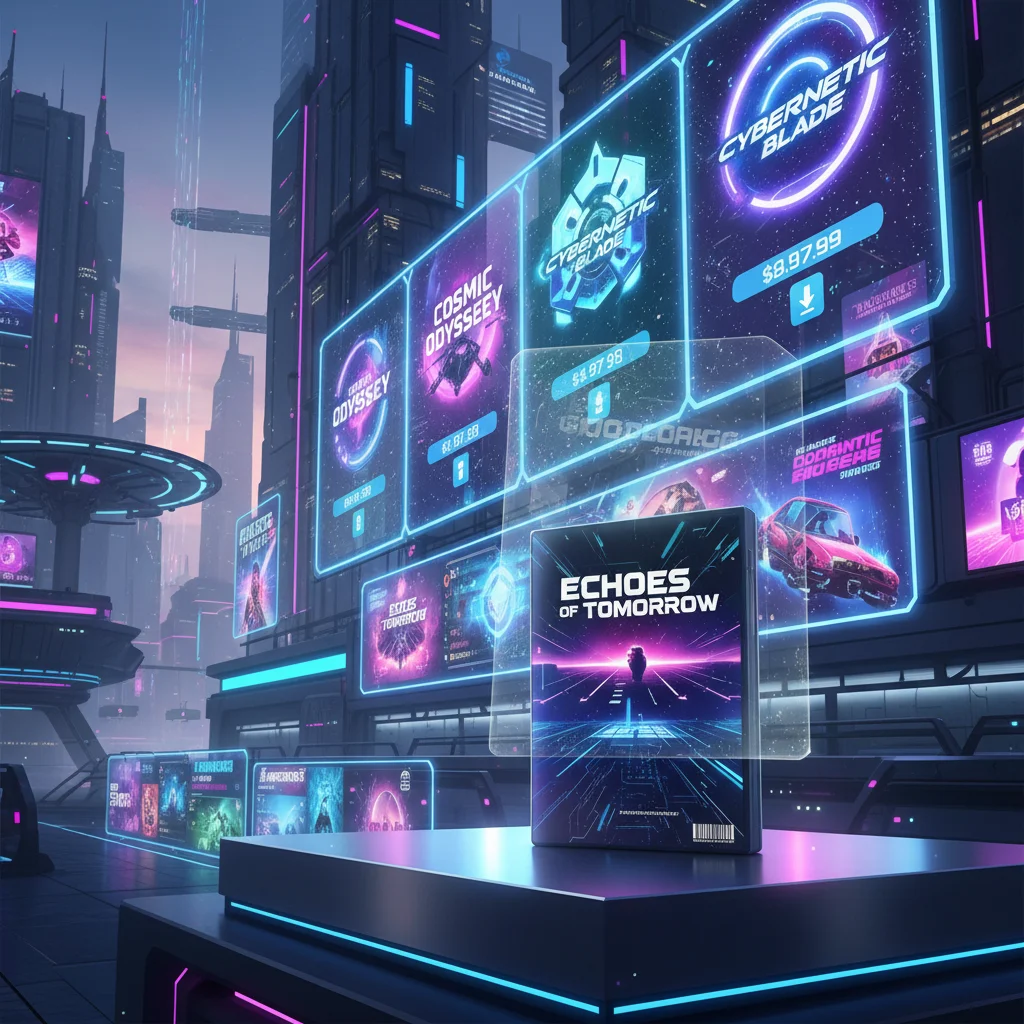
The Shifting Sands of US Game Retail: Digital Dominance and a 2026 Outlook on Physical Sales
The gaming industry in the United States is a behemoth, a constantly evolving landscape that captivates millions and generates billions in revenue annually. For decades, the ritual of visiting a local game store, browsing shelves, and clutching a newly purchased physical copy was an integral part of the gaming experience. However, the dawn of the 21st century brought with it a technological revolution that steadily began to reshape US game retail future. Digital distribution, once a niche concept, has ascended to become the undisputed king, fundamentally altering how games are bought, sold, and consumed. This comprehensive article delves into this profound transformation, exploring the factors driving digital dominance, the enduring (yet diminishing) role of physical sales, and offering a forward-looking perspective on the state of game retail in the US by 2026.
Understanding the current trajectory requires a look back at the origins of digital distribution. Early attempts were met with skepticism, hampered by slow internet speeds and a strong consumer preference for tangible goods. Yet, with advancements in broadband infrastructure, the proliferation of digital storefronts like Steam, PlayStation Store, Xbox Games Store, and Nintendo eShop, and the convenience offered by immediate access and pre-loading, the tide began to turn. This shift wasn’t merely a change in delivery method; it represented a fundamental paradigm shift in consumer behaviour and industry economics.
The Irreversible March Towards Digital Dominance
The narrative of digital dominance in the US game retail market is not just a trend; it’s an established reality. Data from various industry reports consistently highlights the overwhelming preference for digital purchases across all major gaming platforms. This preference is driven by a confluence of factors, each contributing to the erosion of physical media’s market share.
Convenience and Accessibility: The Cornerstones of Digital Growth
Perhaps the most significant driver behind digital sales is unparalleled convenience. Gamers no longer need to travel to a physical store, contend with limited stock, or wait for opening hours. A purchase can be made instantly from the comfort of their home, often within minutes of a game’s release. Pre-loading allows players to start playing the moment a game officially launches, a critical advantage for highly anticipated titles. Furthermore, digital storefronts offer an almost infinite catalogue, free from the physical constraints of shelf space, making obscure titles and indie gems readily available.
Price Flexibility and Sales Events
Digital platforms are renowned for their frequent and aggressive sales events. Seasonal sales, publisher-specific discounts, and daily deals provide ample opportunities for consumers to purchase games at significantly reduced prices. While physical retailers also offer promotions, the sheer volume and frequency of digital sales often make them more attractive. This price flexibility allows publishers to experiment with pricing strategies and reach a broader audience, further cementing digital’s appeal.
The Rise of Digital-Only Content and Subscriptions
The modern gaming landscape is increasingly characterised by digital-only content. Expansions, DLC (downloadable content), in-game purchases, and season passes are almost exclusively distributed digitally. This creates an ecosystem where even if a player initially buys a physical game, they will invariably engage with digital storefronts for additional content. Moreover, the explosion of subscription services like Xbox Game Pass, PlayStation Plus, and Nintendo Switch Online has further solidified digital consumption. These services offer vast libraries of games for a recurring fee, encouraging players to explore titles they might not have otherwise purchased, all through digital means.
Environmental Considerations and Decluttering
While often a secondary consideration, some consumers are swayed by the environmental benefits of digital distribution, as it eliminates the need for plastic cases, discs, and transportation. Additionally, the desire to declutter physical spaces and avoid accumulating physical media resonates with a growing segment of the population, particularly in an increasingly digital-first world.
The Enduring (But Diminishing) Role of Physical Sales
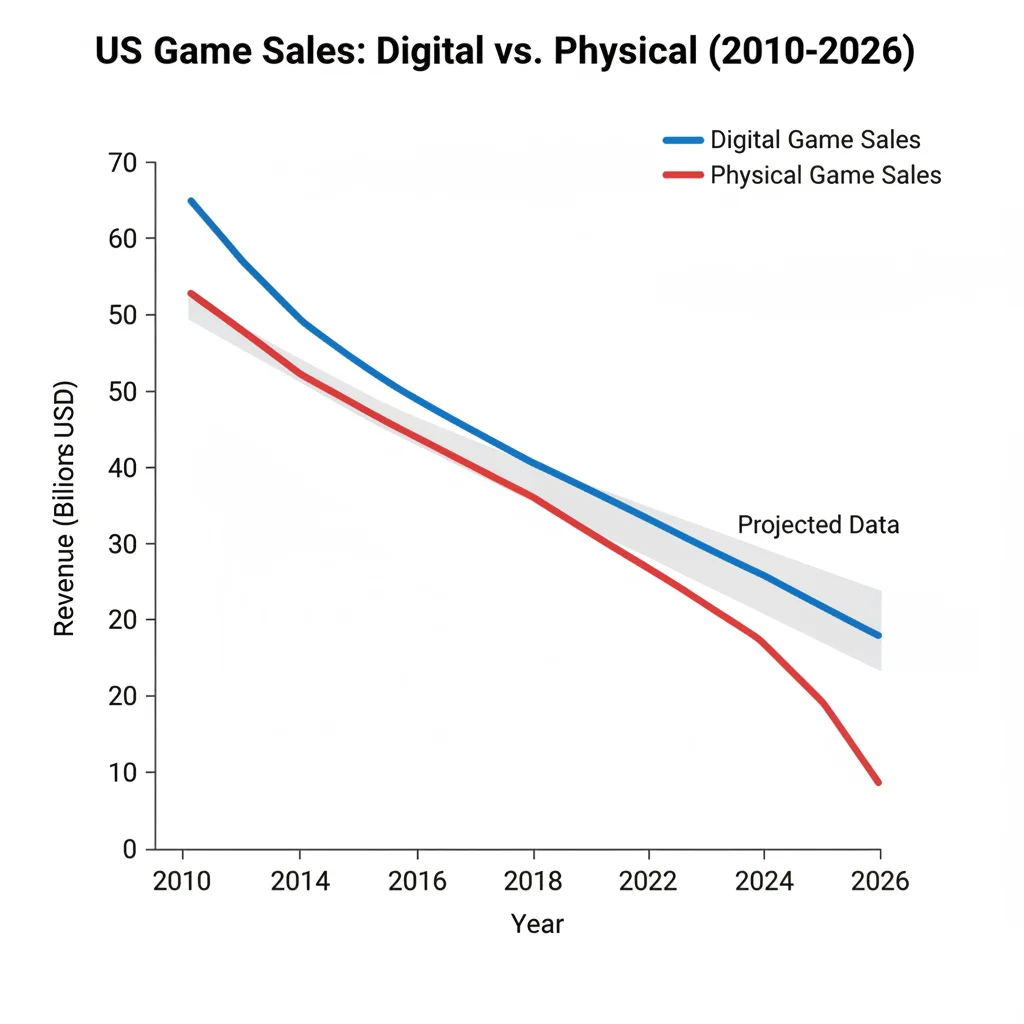
Despite the overwhelming momentum of digital distribution, physical game sales have not entirely vanished. They continue to hold a niche, albeit shrinking, market share, catering to specific consumer preferences and offering unique advantages that digital cannot replicate. By 2026, while significantly reduced, physical sales will likely still exist, albeit in a highly specialised capacity.
Collectibility and Tangibility
For many gamers, there’s an inherent value in owning a physical copy of a game. The artwork, the manual (though increasingly rare), and the ability to display a collection hold significant appeal. This sense of tangibility and collectibility is particularly strong among retro game enthusiasts and those who view games as cultural artifacts. Limited edition physical releases, often bundled with exclusive merchandise, continue to be highly sought after by collectors.
Resale Value and Lending
One of the most significant advantages of physical games is the ability to resell them or lend them to friends. This secondary market provides a way for consumers to recoup some of their initial investment or experience games without a full purchase. Digital games, by contrast, are typically tied to an account and cannot be resold or easily shared, a point of contention for many consumers.
Gift Giving and Offline Play
Physical games remain a popular choice for gift-giving. A wrapped game box often feels more substantial and personal than a digital code. Furthermore, for individuals with limited or unreliable internet access, physical copies offer the assurance of offline play, a crucial factor in certain demographics or regions. While less common in the highly connected US, it’s still a consideration.
Preservation Concerns
A growing concern among gaming historians and preservationists is the longevity of digital-only titles. Digital storefronts can delist games, and platforms can become obsolete, potentially rendering digitally purchased games unplayable. Physical media, while not immune to degradation, offers a more direct and potentially longer-lasting form of game preservation, a factor that resonates with a dedicated segment of the gaming community.
Forecasting the US Game Retail Landscape in 2026
Looking ahead to 2026, the trajectory of US game retail outlook is clear: digital will continue its reign, but physical sales will not disappear entirely. Instead, they will occupy a more defined and perhaps niche role within the broader market.
Further Digital Market Share Expansion
By 2026, it is highly probable that digital sales will account for an even larger percentage of the overall US game market, potentially exceeding 90% in some segments. This will be driven by continued advancements in internet infrastructure, the proliferation of cloud gaming services, and the increasing normalisation of digital-only consoles (like the Xbox Series S and PlayStation 5 Digital Edition).
Specialisation of Physical Retail
Physical game stores, already a dwindling presence, will likely continue to consolidate or adapt. The remaining stores may focus on providing an experiential retail environment, offering a curated selection of games, merchandise, and community events. They might also lean into the collector’s market, specialising in rare, retro, or limited-edition physical releases. Traditional mass-market game retailers will find it increasingly difficult to compete with the convenience and pricing of digital storefronts.
Blurring Lines: Hybrid Models
We may also see a continued blurring of lines between physical and digital. Game codes within physical boxes, digital content bundled with physical merchandise, and game cards for digital credit are already common. This trend is expected to intensify, offering consumers a bridge between the two formats.
The Role of Independent and Retro Stores
Independent game stores and those specialising in retro gaming are likely to be the most resilient in the physical space. Their focus on niche markets, community building, and unique offerings allows them to carve out a sustainable business model that larger retailers struggle to maintain. These stores will continue to serve as cultural hubs for specific segments of the gaming community.
Challenges and Opportunities for US Game Retailers
The evolving landscape presents both significant challenges and unique opportunities for those involved in game retailers.
Challenges:
- Declining Foot Traffic: As more purchases shift online, physical stores face the challenge of attracting customers.
- Inventory Management: Predicting demand for physical copies in a digital-first world becomes increasingly complex.
- Competition from Digital Sales: The aggressive pricing and convenience of digital storefronts are difficult to match.
- Shrinking Margins: The profitability of selling physical games can be lower than digital, particularly for new releases.
Opportunities:
- Experiential Retail: Creating unique in-store experiences, such as gaming events, tournaments, and demo stations, can draw customers.
- Merchandise and Collectibles: Expanding offerings beyond games to include apparel, figures, and other memorabilia can be a significant revenue stream.
- Used Game Market: The resale of physical games remains a viable market, especially for older or rare titles.
- Community Hubs: Physical stores can serve as gathering places for local gaming communities, fostering loyalty and engagement.
- Subscription Card Sales: Selling digital subscription cards in-store can capture some of the digital revenue.

Technological Advancements Fueling Digital Growth
Beyond consumer preference, several technological advancements are acting as powerful catalysts for the continued growth of digital distribution in US gaming market.
Cloud Gaming Services
Services like Xbox Cloud Gaming, GeForce Now, and Amazon Luna are poised to further disrupt the traditional retail model. By streaming games directly to devices, cloud gaming eliminates the need for powerful local hardware and, crucially, any physical media. As internet speeds improve and cloud infrastructure becomes more robust, these services will offer an increasingly viable alternative to traditional game ownership, both digital and physical.
Faster Internet Speeds and 5G
The rollout of 5G networks and continued improvements in fibre optic broadband are making large game downloads virtually instantaneous for many consumers. This removes one of the last remaining friction points for digital adoption – the time it takes to download a game, especially large AAA titles that can exceed 100 GB.
Digital-Only Consoles
The introduction of digital-only console variants by major manufacturers signals a clear industry direction. These consoles offer a slightly lower price point, appealing to consumers who are already fully committed to digital purchases. Their existence further normalises the idea of a gaming ecosystem entirely devoid of physical media.
Blockchain and NFTs in Gaming: A Future Consideration
While still nascent and controversial, the potential integration of blockchain technology and Non-Fungible Tokens (NFTs) into gaming could also impact digital distribution. If successful, these technologies could introduce new forms of digital ownership, scarcity, and even resale markets for digital assets, potentially mimicking some of the advantages currently exclusive to physical media. However, the widespread adoption and ethical implications of these technologies are still very much in flux.
The Impact on Game Developers and Publishers
The shift to digital distribution has profound implications for game developers and publishers. It has democratised publishing, allowing smaller studios to reach global audiences without the need for traditional retail partnerships. However, it also introduces new challenges.
Direct-to-Consumer Model
Digital storefronts enable a direct-to-consumer model, allowing publishers to retain a larger share of revenue compared to traditional retail where middlemen take a cut. This can lead to greater profitability and more resources for game development.
Data and Analytics
Digital platforms provide publishers with a wealth of data on consumer behaviour, purchase patterns, and engagement metrics. This data is invaluable for understanding market trends, optimising marketing strategies, and informing future game design decisions.
Increased Competition and Discoverability
While easier to publish, the sheer volume of games released digitally means discoverability has become a major challenge. Standing out in crowded digital storefronts requires robust marketing and a high-quality product, leading to intense competition.
Post-Launch Monetisation
Digital distribution facilitates extensive post-launch monetisation through DLC, microtransactions, and season passes, extending the lifecycle and profitability of games far beyond their initial release.
Conclusion: A Digitally Driven Future with Niche Physical Appeal
By 2026, the US game retail landscape will be unequivocally dominated by digital distribution. The convenience, accessibility, price flexibility, and technological advancements driving this shift are simply too powerful to resist. Physical game sales, while significantly diminished, will not vanish entirely. They will evolve to cater to specific segments of the market: collectors, those who value tangibility and resale, and consumers seeking unique retail experiences. Traditional brick-and-mortar game stores will need to innovate, focusing on community, merchandise, and curated offerings to remain relevant.
The US game retail future is one of continued digital expansion, where the vast majority of transactions occur online. However, the nostalgic appeal and distinct advantages of physical media will ensure its survival in a more specialised, perhaps even boutique, capacity. The industry’s evolution reflects broader societal trends towards digital consumption, and gaming, ever at the forefront of technological adoption, will continue to lead the way into this exciting, digitally-driven future.