The landscape of gaming technology is in constant flux, evolving at a bewildering pace to meet the ever-increasing demands of competitive gamers and enthusiasts alike. Among the myriad peripherals that define a gamer’s arsenal, the keyboard stands as a cornerstone, a direct interface between thought and action. As we peer into 2026, the evolution of gaming keyboards continues unabated, driven by relentless innovation in mechanical switches and an explosion of customisation trends. This article delves deep into the cutting-edge developments shaping gaming keyboard trends, exploring how these advancements are not just enhancing performance but also redefining personal expression in the gaming world.
For years, the debate between membrane and mechanical keyboards raged, but mechanical switches have firmly established their dominance in the gaming sphere. Their tactile feedback, superior durability, and rapid actuation have made them indispensable. However, the mechanical switch story is far from over. 2026 sees a new generation of switches pushing the boundaries of speed, responsiveness, and user experience. Beyond the fundamental switches, customisation has transformed from a niche hobby into a mainstream expectation, allowing gamers unprecedented control over their input devices. From bespoke keycaps to programmable macros and dynamic RGB lighting, the ability to tailor a keyboard to individual preferences is paramount.
The Evolution of Mechanical Switches: Beyond the Basics
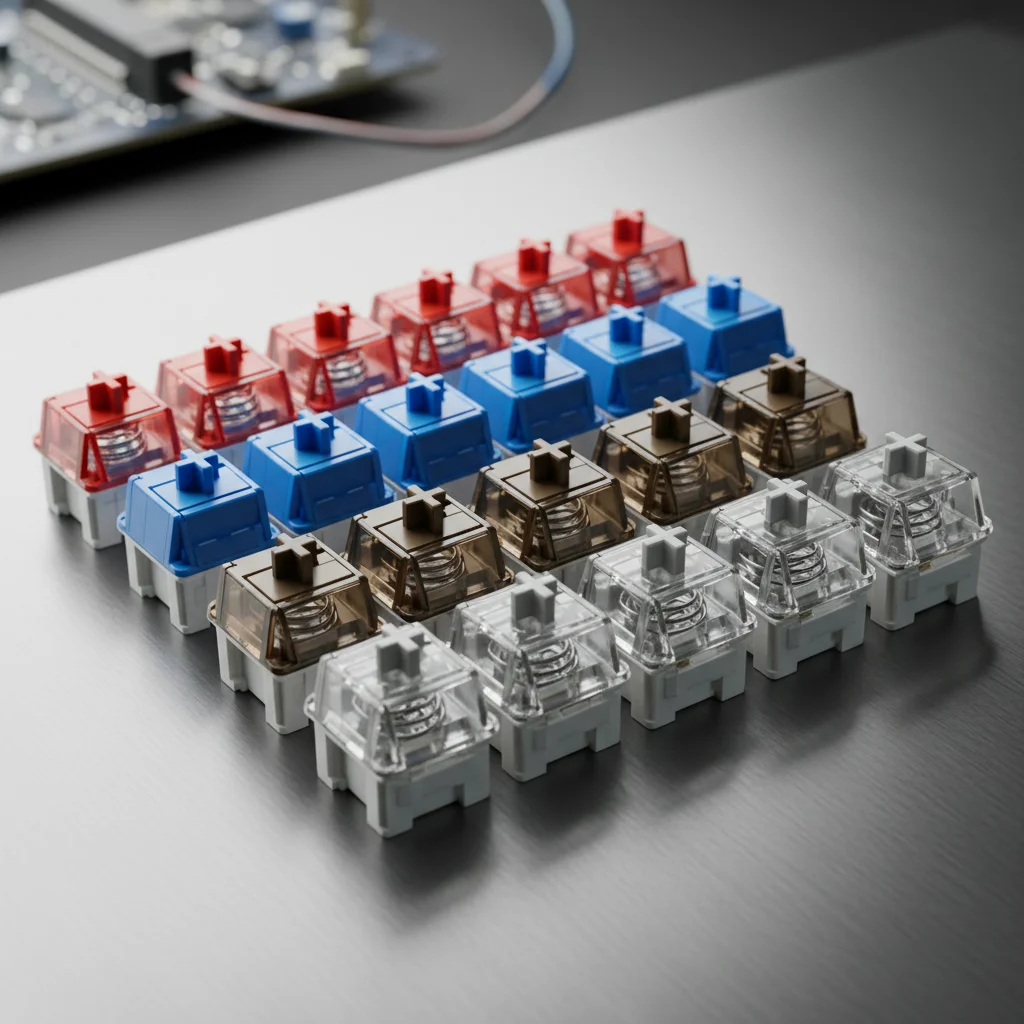
In the realm of mechanical keyboards, the switch is king. It dictates the feel, response, and overall experience of typing and gaming. Traditional Cherry MX switches, with their various colour codes (Red, Blue, Brown), laid the groundwork, but innovation has far surpassed these early offerings. By 2026, we are witnessing a diversification and specialisation of mechanical switches, each designed to cater to hyper-specific needs and preferences.
Optical-Mechanical Switches: The Speed Demons
Optical-mechanical switches, which utilise a beam of light to register keystrokes rather than physical contact, have matured significantly. Their primary advantage lies in their unparalleled speed and reduced debounce time. In 2026, these switches are even more refined, offering near-instantaneous actuation, which is crucial for competitive gaming where milliseconds can dictate victory or defeat. Manufacturers are developing optical switches with varying actuation points and forces, mimicking the feel of traditional mechanical switches but with the added benefit of light-speed response. Furthermore, their inherent durability is a major draw, as the absence of physical contact points reduces wear and tear, leading to a much longer lifespan. This makes them a cornerstone of future gaming keyboard trends, especially for esports professionals.
Hall Effect Switches: Magnetic Precision
Another fascinating development is the rise of Hall Effect switches. These switches use magnets and a Hall Effect sensor to detect key presses, offering fully analogue input. This means that unlike traditional switches which are either ‘on’ or ‘off’, Hall Effect switches can detect the precise depth of a key press. Imagine controlling movement speed in a game by how far you press a ‘W’ key, similar to an analogue joystick. This level of granular control opens up entirely new possibilities for gameplay mechanics and user interaction. By 2026, we are seeing Hall Effect switches integrated into high-end gaming keyboards, often with adjustable actuation points, allowing gamers to fine-tune the sensitivity of each key to an unprecedented degree. This innovation is setting new benchmarks for immersive and responsive input, fundamentally altering gaming keyboard trends.
Silent and Low-Profile Switches: Ergonomics Meets Performance
While speed and precision are paramount, comfort and stealth are also driving innovation. The demand for silent mechanical switches has grown, catering to streamers, content creators, and those who share living spaces. Advances in dampening materials and switch housing designs have led to mechanical switches that offer the tactile feel and responsiveness without the audible click or clack. Simultaneously, low-profile mechanical switches are gaining traction. These switches offer a shorter travel distance and a thinner form factor, making keyboards more compact and ergonomic. This not only reduces wrist strain during extended gaming sessions but also makes keyboards more portable, appealing to a broader audience. The marriage of performance with ergonomic considerations is a significant aspect of current gaming keyboard trends.
Customisation Trends: Personalising the Perfect Input
Beyond the internal mechanics, the outward appearance and functional layout of gaming keyboards are undergoing a revolution driven by customisation. What was once the domain of hardcore enthusiasts building their own custom keyboards from scratch is now becoming increasingly accessible, with manufacturers offering a plethora of options for personalisation. This shift towards user-centric design is one of the most exciting gaming keyboard trends of our time.
Hot-Swappable Switches: The Ultimate Flexibility
One of the most impactful customisation features gaining widespread adoption is hot-swappable switch sockets. This technology allows users to easily remove and replace individual mechanical switches without any soldering. This means a gamer can mix and match switch types on a single keyboard – perhaps linear switches for WASD for faster movement, and tactile switches for utility keys for better feedback. This level of modularity empowers users to experiment with different switch feels, prolong the life of their keyboard by replacing faulty switches, and adapt their setup for different games or tasks. Hot-swappability is no longer a premium feature but an expected standard in many gaming keyboards by 2026, cementing its place in gaming keyboard trends.
Programmable Keycaps and OLED Displays: Dynamic Input
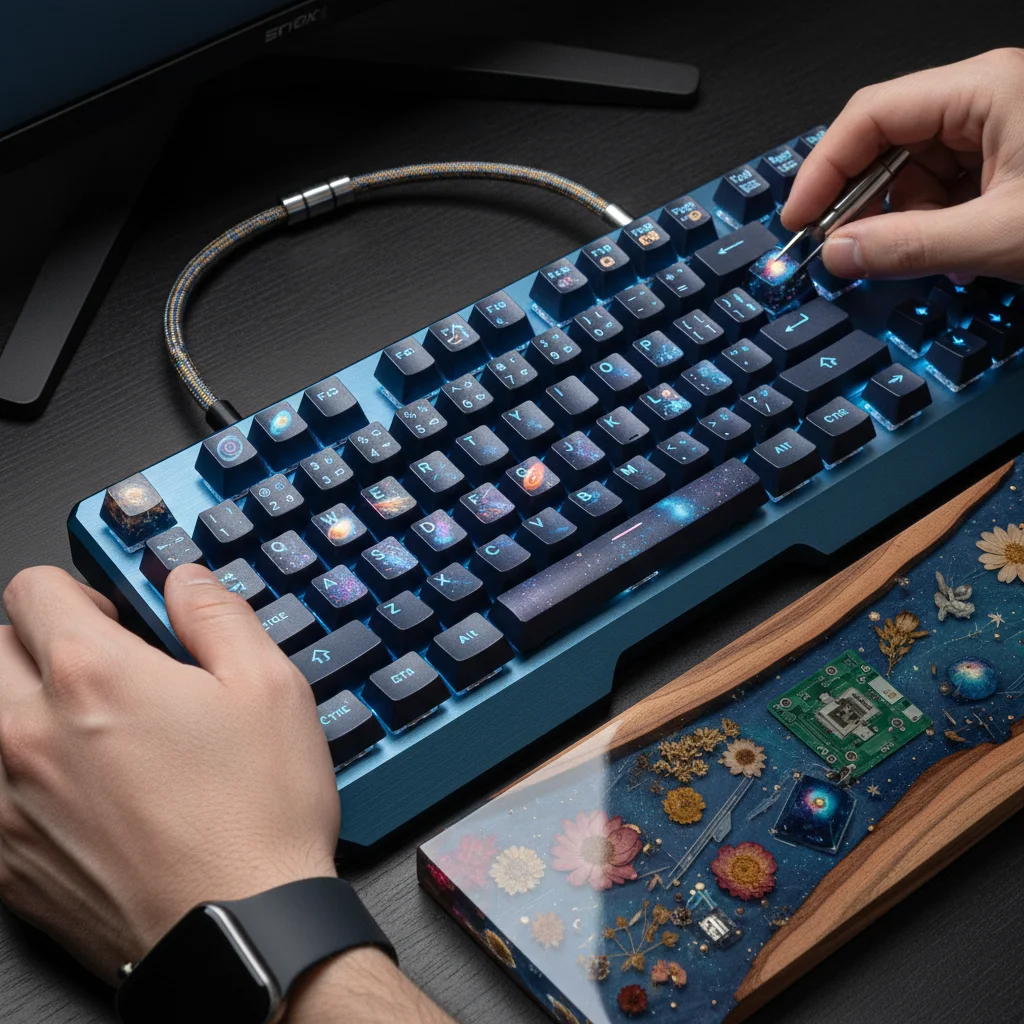
The humble keycap is also undergoing a transformative upgrade. While custom keycap sets have long been popular for aesthetic reasons, 2026 introduces more functional innovations. Programmable keycaps with integrated micro-LEDs or tiny OLED displays are beginning to emerge. Imagine a keycap that dynamically changes its legend based on the application or game you’re using. For instance, in a video editing suite, the ‘F1’ key could display ‘Undo’, while in a game, it might show an ability icon. This dynamic visual feedback enhances workflow efficiency and reduces the learning curve for complex games or software. Such advancements are pushing the boundaries of what’s possible with keyboard interaction, significantly influencing gaming keyboard trends.
Advanced RGB Lighting and Ecosystem Integration: More Than Just Bling
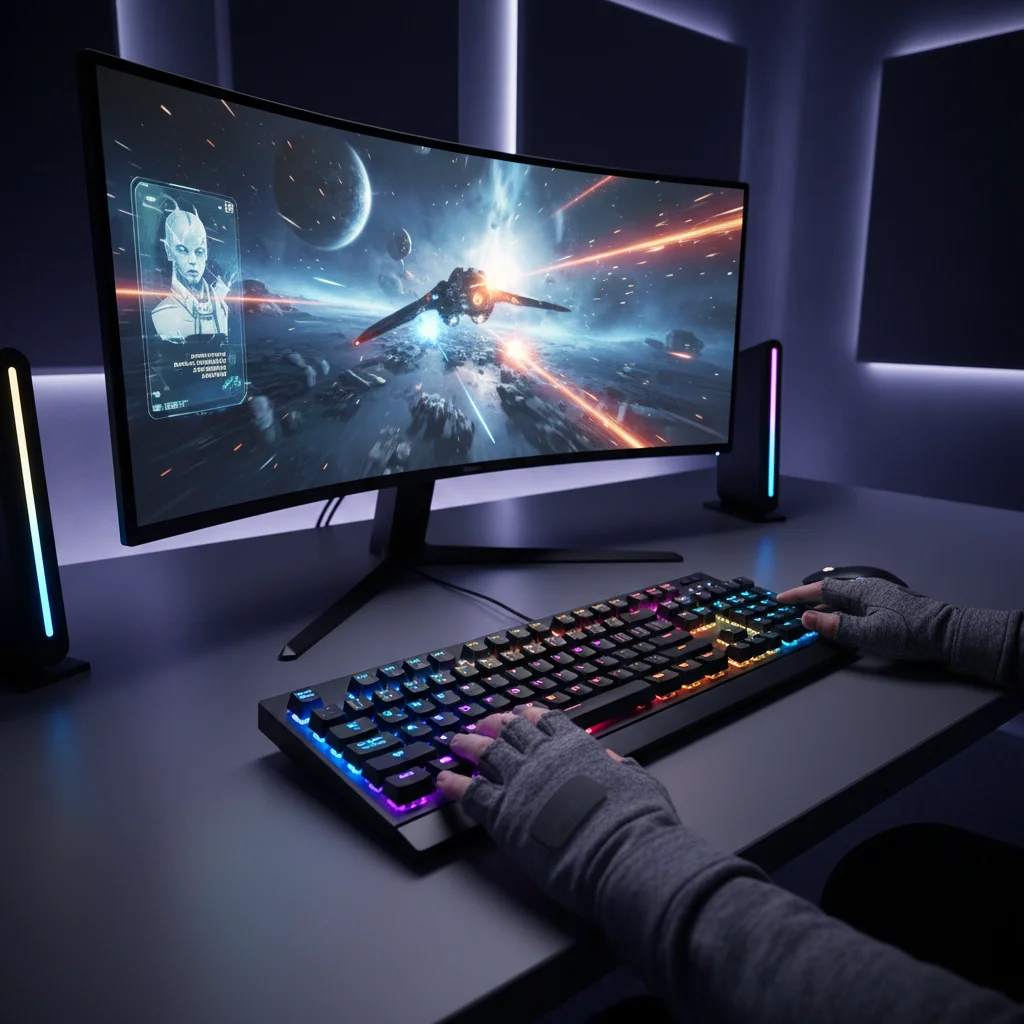
RGB lighting has been a staple of gaming peripherals for years, but in 2026, it’s more sophisticated than ever. Beyond simple colour cycles, advanced RGB lighting now integrates deeply with games and other smart devices. Keyboards can display in-game health bars, cooldown timers, or react dynamically to in-game events like explosions or enemy encounters. Furthermore, entire gaming ecosystems are synchronising RGB lighting across keyboards, mice, headsets, and even PC components, creating a truly immersive and cohesive visual experience. This goes beyond mere aesthetics, providing subtle yet effective visual cues that can enhance situational awareness and immersion, making it a key component of modern gaming keyboard trends.
Beyond the Keys: Form Factors and Ergonomics
The physical design of gaming keyboards is also evolving, with a greater emphasis on form factors and ergonomic considerations. The traditional full-size keyboard is still popular, but smaller, more specialised layouts are gaining significant traction, reflecting diverse user needs and desk space constraints.
Compact Form Factors: TKL, 60%, and Beyond
Tenkeyless (TKL) keyboards, which omit the numpad, have been popular for some time, offering a more compact footprint and allowing for better mouse movement space. By 2026, even smaller form factors like 60% and 65% keyboards are becoming mainstream. These ultra-compact designs remove the function row, arrow keys, and sometimes even a few other keys, relying heavily on function layers to access these commands. While they require a brief adjustment period, their minimalist design appeals to gamers who prioritise desk space, portability, and a clean aesthetic. The rise of these compact layouts is a clear indicator of evolving gaming keyboard trends, showcasing a move towards efficiency and minimalism.
Ergonomic Designs: Comfort for the Long Haul
As gaming sessions become longer and more intense, the importance of ergonomics cannot be overstated. Manufacturers are increasingly incorporating ergonomic principles into their designs. This includes adjustable tilt feet, integrated wrist rests (often magnetic and detachable), and even split or ortholinear keyboard layouts for those seeking extreme comfort and a more natural hand position. The aim is to reduce strain and prevent repetitive stress injuries, ensuring that gamers can maintain peak performance without discomfort. Ergonomics is no longer a luxury but a necessity, firmly establishing itself as a crucial aspect of future gaming keyboard trends.
Connectivity and Software: The Smart Keyboard
The modern gaming keyboard is more than just a collection of switches and keycaps; it’s a smart device that integrates seamlessly into a broader computing ecosystem. Connectivity options and sophisticated software play a pivotal role in unlocking the full potential of these advanced peripherals.
Wireless Performance: Latency-Free Freedom
Historically, wireless keyboards were shunned by competitive gamers due to concerns about input lag and battery life. However, by 2026, wireless technology has advanced to a point where these concerns are largely obsolete. Proprietary 2.4 GHz wireless technologies offer latency-free performance that rivals, and sometimes even surpasses, wired connections. Coupled with extended battery life and rapid charging capabilities, wireless gaming keyboards offer unparalleled freedom of movement without compromising on performance. This makes wireless a viable and increasingly preferred option for serious gamers, impacting gaming keyboard trends significantly.
Cloud-Based Software and AI Integration: Intelligent Input
Keyboard software has evolved from simple macro recorders to sophisticated, cloud-based platforms. Gamers can store profiles, macros, and lighting effects in the cloud, accessing them from any computer. Furthermore, we are beginning to see the integration of artificial intelligence (AI) into keyboard software. AI could potentially learn a user’s typing patterns and gaming habits, suggesting optimal keybinds, macro timings, or even dynamically adjusting switch actuation points for different games. While still in its nascent stages, AI integration promises to make keyboards even more adaptive and personalised, a truly futuristic element of gaming keyboard trends.
The Impact on Gaming: Performance, Immersion, and Accessibility
These advancements in mechanical switches and customisation are not just technical marvels; they have a tangible impact on the gaming experience itself. They contribute to enhanced performance, deeper immersion, and improved accessibility for a wider range of gamers.
Competitive Advantage: Precision and Speed
For esports athletes, every millisecond counts. The new generation of optical and Hall Effect switches provides an undeniable competitive edge through their extreme speed and precision. Adjustable actuation points allow players to fine-tune their input to an unparalleled degree, leading to faster reactions and more accurate movements. Custom macros and keybinds, easily managed through advanced software, streamline complex actions, giving players an advantage in fast-paced scenarios. These innovations are directly contributing to higher skill ceilings in competitive gaming, making advanced keyboards a crucial tool for victory.
Enhanced Immersion: Sensory Feedback and Visual Cues
Beyond raw performance, modern gaming keyboards significantly enhance immersion. Tactile and auditory feedback from mechanical switches creates a satisfying and engaging experience. Dynamic RGB lighting that reacts to in-game events provides a subtle yet powerful layer of sensory feedback, drawing players deeper into the game world. The ability to personalise the keyboard’s aesthetics also fosters a stronger connection between the player and their setup, making the gaming space feel truly their own. This holistic approach to sensory input is a defining characteristic of current gaming keyboard trends.
Accessibility and Inclusivity: Tailored for Everyone
The emphasis on customisation also has profound implications for accessibility. Hot-swappable switches allow individuals with specific needs to choose switches that require less force or offer different tactile feedback, making keyboards more comfortable and usable. Programmable keycaps and software allow for remapping keys and creating macros that can simplify complex commands for those with motor challenges. Ergonomic designs further contribute to reducing strain and making gaming accessible to a broader audience, ensuring that the joy of gaming can be experienced by everyone. This focus on inclusivity is a vital and positive aspect of evolving gaming keyboard trends.
Challenges and Future Outlook
Despite the rapid advancements, the world of gaming keyboards faces its own set of challenges. Cost remains a barrier for many, as cutting-edge technology and extensive customisation often come with a premium price tag. Furthermore, the sheer breadth of options can be overwhelming for new users, making informed decisions difficult. However, these challenges are often temporary as technology matures and becomes more accessible.
Looking further into the future, we can anticipate even more radical innovations. Haptic feedback within keycaps, providing tactile sensations beyond simple clicks, could become a reality. Integration with virtual and augmented reality systems could see keyboards becoming more contextually aware, adapting their layout and functionality based on the virtual environment. Self-cleaning keycaps, advanced biometric security features, and even energy harvesting technologies could all be part of the next wave of gaming keyboard trends.
Conclusion: The Future is at Your Fingertips
The year 2026 marks a pivotal moment in the evolution of gaming keyboards. The relentless pursuit of perfection in mechanical switches, from the lightning-fast optical to the analogue precision of Hall Effect, is reshaping how we interact with our games. Simultaneously, the explosion of customisation options – hot-swappable switches, dynamic keycaps, and intelligent RGB lighting – empowers gamers to craft truly personalised and high-performing input devices. These advancements are not merely incremental improvements; they represent a fundamental shift in how we perceive and utilise keyboards in the gaming ecosystem. They enhance competitive performance, deepen immersion, and foster greater accessibility, ensuring that the perfect gaming experience is truly at your fingertips. As technology continues its relentless march forward, one thing is clear: the future of gaming keyboard trends is bright, innovative, and incredibly exciting.