Gaming Storytelling Evolution: 3 Narrative Techniques for 2026
The 2026 Evolution of Gaming Storytelling: 3 Narrative Techniques Changing How We Experience Games
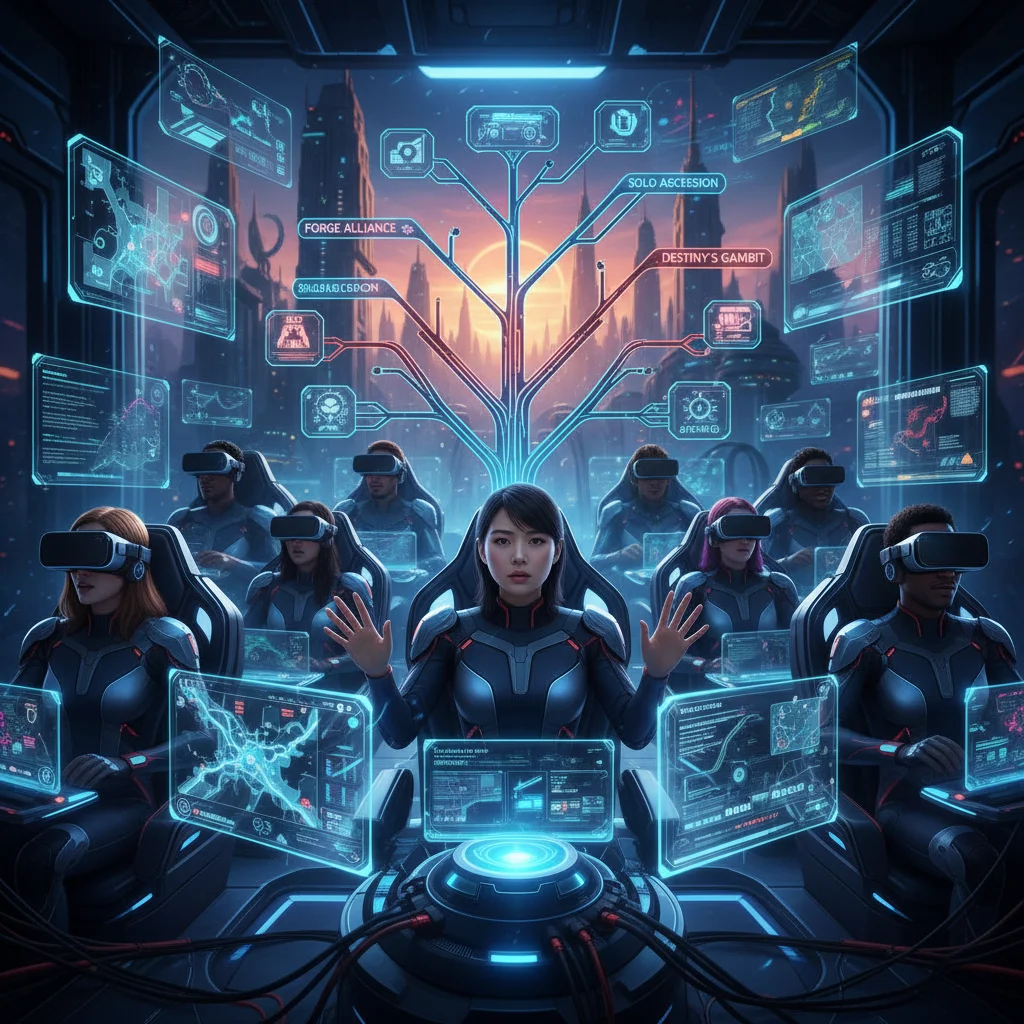
The landscape of interactive entertainment is in a perpetual state of flux, constantly pushing the boundaries of what’s possible. As we hurtle towards 2026, the art of storytelling in video games is undergoing a profound transformation. Gone are the days when narratives were merely linear paths for players to follow. Today, and increasingly in the very near future, the most compelling gaming experiences will be those that deeply integrate players into the fabric of the story, making them not just observers, but active architects of their own sagas. This evolution is driven by several innovative gaming narrative techniques that are reshaping how we interact with virtual worlds and their inhabitants.
This article delves into three pivotal narrative techniques that are set to dominate the gaming world by 2026: enhanced player agency, dynamic world-building, and profound emotional resonance. These aren’t just buzzwords; they represent fundamental shifts in design philosophy that promise richer, more immersive, and ultimately, more memorable gaming experiences. Prepare to explore how these advancements will redefine your understanding of what a game story can be.
1. Enhanced Player Agency: Beyond Simple Choices
Player agency has always been a cornerstone of interactive entertainment, distinguishing games from other narrative mediums. However, by 2026, the concept of player agency will evolve far beyond the binary choices of ‘good’ or ‘evil’ or the illusion of choice. Instead, we’re entering an era where player decisions, both grand and subtle, will ripple through the entire game world, creating genuinely unique and personal narratives. This elevation of player agency is one of the most significant gaming narrative techniques we’re seeing.
The Illusion vs. Reality of Choice
Historically, many games offered choices that ultimately led to the same predetermined outcomes, creating an illusion of agency. While this can still be effective, the future of gaming demands more. Developers are increasingly employing sophisticated narrative systems that track player actions, dialogue choices, and even playstyle, using this data to genuinely alter plot progression, character relationships, and even the very nature of the game world. This means that two players starting the same game might end up with vastly different stories, tailored to their individual decisions.
Long-Term Consequences and Evolving Morality
The impact of player choices will extend far beyond immediate consequences. We’ll see narratives where decisions made hours, or even dozens of hours, earlier come back to shape critical junctures. This fosters a deeper sense of responsibility and investment in the game’s world and characters. Furthermore, moral choices will become less about clear-cut good and evil and more about navigating complex ethical dilemmas with ambiguous outcomes, forcing players to grapple with the grey areas of their own morality, further enhancing these gaming narrative techniques.
Adaptive Dialogue Systems
Dialogue, a crucial component of storytelling, is also becoming more adaptive. AI-driven dialogue systems will allow NPCs to remember past interactions, player reputation, and even emotional states, leading to more natural and contextually relevant conversations. This means that a sarcastic remark in an early encounter might lead to a frosty reception later, while a compassionate gesture could open up new narrative paths. This level of responsiveness makes the game world feel more alive and reactive to the player’s presence.
Emergent Storytelling through Player Actions
Beyond explicit choices, future games will leverage emergent storytelling, where narratives arise organically from player actions within a sandbox environment. Imagine a game where your decision to help a struggling faction inadvertently leads to a power vacuum that a new, more dangerous entity exploits, creating an entirely unforeseen narrative arc. This approach blurs the lines between authored narrative and player-driven experience, making every playthrough a unique story generated by the player’s interaction with the game’s systems. This is a powerful demonstration of advanced gaming narrative techniques.
This heightened player agency isn’t just about giving players more options; it’s about giving them more meaningful options, options that resonate with their playstyle and values, and ultimately craft a story that feels uniquely their own. The technical advancements in AI and procedural generation are making these complex systems increasingly feasible, promising a future where players are truly the protagonists, not just avatars, in their interactive epics.

2. Dynamic World-Building: Worlds That Breathe and Change
The worlds we inhabit in games are becoming more than just static backdrops; they are evolving into living, breathing entities that react to player actions and the unfolding narrative. Dynamic world-building is a revolutionary set of gaming narrative techniques that ensures the environment itself becomes a character, constantly changing and reflecting the story’s progression, making every playthrough feel distinctive.
Procedural Generation with Narrative Intent
While procedural generation has been around for some time, its application in 2026 will be far more sophisticated, imbued with narrative intent. Instead of merely generating random landscapes, future systems will create environments that subtly tell a story. A procedurally generated forest might bear the scars of a recent battle if the player chose a violent path, or be teeming with new life if peace was fostered. This allows the world to dynamically reflect the player’s impact, making the environment an active participant in the storytelling.
Environmental Storytelling on a Grand Scale
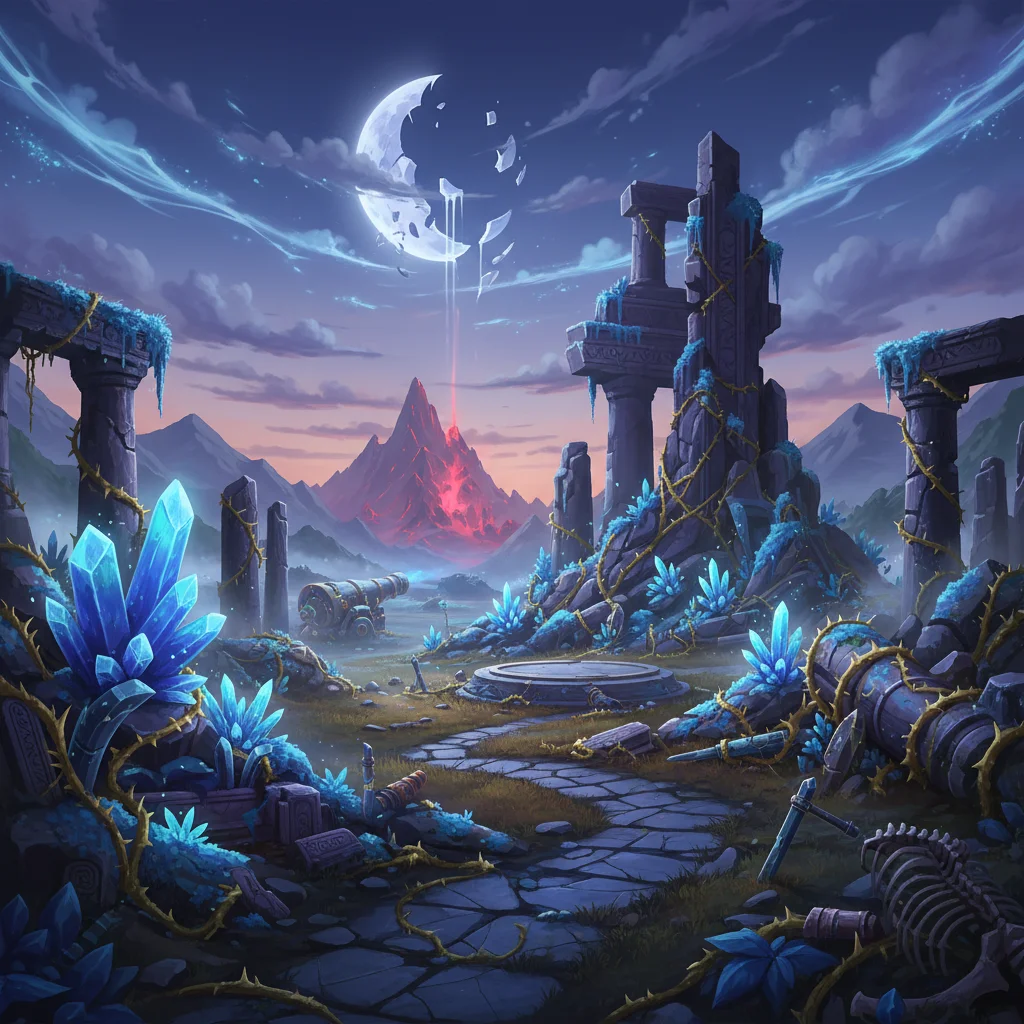
Environmental storytelling, where the world itself conveys narrative through its design, will reach new heights. Dynamic elements will allow environments to change over time, showing the passage of seasons, the decay of civilisations, or the growth of settlements based on player choices or emergent events. Imagine a thriving city slowly falling into ruin if the player fails to protect it, or a barren wasteland transforming into a fertile land due to player intervention. These dynamic changes provide constant visual feedback on the narrative’s trajectory.
NPC Ecosystems and AI-Driven Factions
The inhabitants of these dynamic worlds will also contribute significantly to the evolving narrative. Advanced AI will power complex NPC ecosystems, where characters and factions have their own goals, motivations, and relationships that change independently of the player, yet can be influenced by them. A player’s decision to support one faction might lead to the downfall of another, altering the political landscape and opening up entirely new narrative questlines. The world doesn’t wait for the player; it continues to evolve, making the player’s presence feel more impactful and the narrative more organic. This is a cornerstone of advanced gaming narrative techniques.
Persistent Worlds and Long-Term Impact
The concept of persistent worlds, where player actions have lasting effects even after logging off, will become more prevalent. This could manifest in multiplayer games where communities collectively shape the world’s narrative, or in single-player experiences where the game remembers and adapts to past playthroughs. Imagine starting a new game in a world that still bears the scars or triumphs of your previous character, creating a sense of a shared, continuous history. This persistence imbues the narrative with a weight and significance rarely seen before.
Dynamic world-building transforms the game world from a static stage into a living canvas, constantly being painted and repainted by the actions of the player and the internal logic of the game. This creates an unparalleled sense of immersion and ensures that each journey through these worlds is a truly unique narrative experience, showcasing the power of sophisticated gaming narrative techniques.
3. Profound Emotional Resonance: Connecting on a Deeper Level
While engaging gameplay and intricate worlds are vital, the most memorable narratives are those that evoke strong emotions. By 2026, gaming narrative techniques will focus heavily on achieving profound emotional resonance, crafting stories that not only entertain but also move, challenge, and leave a lasting impression on players.
Sophisticated Character Development and Relationships
Characters are the heart of any story, and future games will feature incredibly nuanced and believable NPCs. Through advanced AI and sophisticated writing, these characters will exhibit complex personalities, motivations, and flaws. Player interactions will genuinely shape relationships, leading to moments of profound connection, heartbreaking betrayal, or enduring camaraderie. The emotional weight of these relationships will be a primary driver of the narrative, making players deeply invested in the fate of their companions and adversaries.
Moral Ambiguity and Ethical Dilemmas
To achieve deeper emotional resonance, narratives will increasingly shy away from simplistic good-vs-evil paradigms. Instead, players will be confronted with complex moral dilemmas where there are no easy answers, forcing them to grapple with difficult choices and live with the consequences. These situations often involve sacrificing one good for another, or making choices that have unintended negative repercussions, leading to a more mature and thought-provoking narrative experience. This is a critical aspect of modern gaming narrative techniques.
Adaptive Story Pacing and Emotional Arcs
The pacing of a narrative is crucial for emotional impact. Future games will employ adaptive story pacing, where the game intelligently adjusts the rhythm of events based on player engagement, emotional state, and progress. If a player is deeply invested in a character’s plight, the game might slow down to allow for more emotional beats; if they are feeling overwhelmed, it might offer moments of respite. This dynamic pacing ensures that emotional arcs are delivered at the most opportune moments, maximising their impact.
Sensory Immersion and Haptic Feedback
Beyond visual and auditory cues, haptic feedback and other sensory technologies will play a significant role in enhancing emotional resonance. Imagine feeling the subtle vibrations of a character’s trembling hand during a tense conversation, or the dull thud of a devastating blow. These tactile sensations, combined with immersive visuals and sound design, will draw players deeper into the emotional core of the narrative, blurring the lines between the digital and physical experience. These innovative gaming narrative techniques are transforming immersion.
Personal Reflection and Themes
Finally, games will increasingly tackle mature and complex themes, inviting players to reflect on their own values, beliefs, and experiences. Narratives that explore identity, loss, redemption, and the human condition will become more prevalent, offering not just entertainment but also opportunities for introspection and personal growth. When a game’s story resonates with a player’s real-world experiences, the emotional impact becomes profound and long-lasting.
The pursuit of profound emotional resonance is about creating stories that stick with players long after the credits roll, stories that challenge, inspire, and perhaps even change them. This is the ultimate goal of these advanced gaming narrative techniques.
The Intersection of Techniques: A Symphony of Storytelling
While we’ve discussed these three gaming narrative techniques – enhanced player agency, dynamic world-building, and profound emotional resonance – as distinct elements, their true power lies in their synergy. Imagine a game where your choices (player agency) directly influence the political landscape and environmental state of a living, breathing world (dynamic world-building), leading to deeply personal and emotionally charged encounters with characters whose fates you feel responsible for (emotional resonance). This interconnectedness creates a truly holistic and unparalleled storytelling experience.
Consider a scenario in a futuristic RPG: You, as the player, are presented with a difficult choice early on — to align with a technologically advanced but morally ambiguous corporation or a struggling, traditionalist community. Your choice (enhanced player agency) doesn’t just change a few dialogue lines. It initiates a chain of events that sees the corporation’s influence either expand, transforming the beautiful, natural landscapes into industrial zones, or recede, allowing the traditionalist community’s cultural sites to flourish and their ancient rituals to become more prominent (dynamic world-building).
Months into your playthrough, you might encounter an NPC you helped or harmed indirectly through that initial choice. Their personal story, their family’s well-being, or their community’s fate is a direct consequence of your decision. The game’s narrative system, having tracked your alignment and actions, presents you with a new dilemma that forces you to confront the long-term impact of your past choices. The emotional weight of this encounter is immense, as you see the tangible, personal results of your earlier actions, forging a profound emotional connection to the game’s world and its inhabitants (profound emotional resonance).
This level of integration is what developers are striving for. It’s not just about more content; it’s about content that is more meaningful, more reactive, and more personal. The technical hurdles are significant, requiring advanced AI, sophisticated procedural generation algorithms, and incredibly talented writers and designers, but the payoff is a gaming experience that transcends traditional entertainment.
Challenges and the Road Ahead for Gaming Narrative Techniques
Implementing these advanced gaming narrative techniques is not without its challenges. The complexity of designing systems that allow for genuine player agency, truly dynamic worlds, and consistent emotional resonance is immense. Developers face hurdles such as:
- Scope Management: Creating multiple branching paths and dynamic world states can quickly balloon the scope of a project, requiring massive development resources.
- Maintaining Cohesion: Ensuring that a highly dynamic narrative still feels cohesive and meaningful, rather than fragmented or random, is a delicate balancing act.
- Testing and Quality Assurance: Testing every possible permutation of player choices and world states is a monumental task, making bug detection and narrative consistency difficult.
- Player Expectations: While players crave agency, they also expect a compelling story. Striking the right balance between player freedom and guided narrative can be tricky.
Despite these challenges, the industry is clearly moving in this direction. Advancements in machine learning, cloud computing, and developer tools are gradually making these ambitious narrative designs more achievable. Indie developers, often unburdened by corporate constraints, are also at the forefront of experimenting with these techniques, pushing the boundaries in innovative ways.
The future of gaming storytelling isn’t just about bigger worlds or better graphics; it’s about deeper connections, more meaningful choices, and narratives that truly belong to the player. The evolution of gaming narrative techniques towards enhanced player agency, dynamic world-building, and profound emotional resonance promises a future where games are not just played, but lived.
Conclusion: The Future is Interactive and Personal
As we look towards 2026, the evolution of storytelling in video games is set to reach unprecedented heights. The three gaming narrative techniques discussed — enhanced player agency, dynamic world-building, and profound emotional resonance — are not merely incremental improvements; they represent a fundamental paradigm shift. Games are becoming more than escape; they are evolving into powerful platforms for personal expression, ethical exploration, and deep emotional connection.
Developers are no longer content with simply telling a story; they are empowering players to become the storytellers themselves. This shift promises a future where every playthrough is a unique journey, every decision carries genuine weight, and every virtual world feels truly alive. The lines between player and protagonist will blur, leading to experiences that are not only entertaining but also deeply personal and profoundly impactful. Get ready to witness a new era of interactive narratives, where your choices truly matter, and the stories you forge are uniquely your own.
The journey into this new frontier of interactive storytelling is exciting, filled with potential for innovation and unforgettable experiences. The gaming community, both players and creators, stands on the cusp of an era where narratives are not just consumed but actively co-created, solidifying the role of video games as one of the most dynamic and powerful narrative mediums of our time. These evolving gaming narrative techniques are not just changing games; they are changing how we understand stories themselves.